440 JOURNAL OF COSMETIC SCIENCE
bonds necessitates reactive chemistry, which in turn produces all manner of safety and
regulatory issues. Furthermore, new covalent bonds may not necessarily be advantageous.
Formaldehyde is a chemical that has long been reported to produce new protein crosslinking
in wool and hair40 and has been utilized as a means of permanently straightening hair via
so-called Brazilian Keratin treatments (notwithstanding the serious health implications).
Such treatments can be highly effective, but also result in a dramatic reduction of tensile
properties. It again seems likely that this new term/proposition involves wordsmithing
around the previously discussed relationship between the consumer perception of strength
(i.e., finding broken fibers) and the ability for sizable mitigation via lubricating conditioner
treatments.
In a similar vein, such lubrication can reasonably be expected to help slow certain pathways
of hair’s progressive degradation. Specifically, fibers will be exposed to lesser abrasion and
fatiguing during grooming and other forms of manipulation. This would seem to be a
reasonable and sound foundation for hair protection propositions.
HAIR TYPE
The appearance of hair can vary greatly from one individual to the next. Individual fibers
come in a wide variety of sizes, shapes, and colors and there appears a general presumption
among consumers that such differences must be the consequence of differing makeup. This
leads to the well-entrenched industry concept of “hair type” and the desire to pigeonhole
hair based on any one of a variety of variables (e.g., ethnicity, curl type, color, thickness,
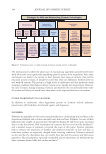
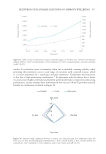
etc.). Yet, historical technical evidence does not support this stance. The overall structure of
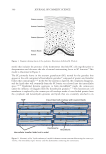
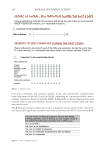
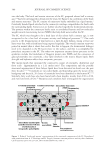
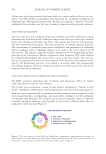
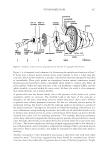
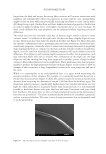
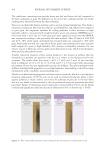
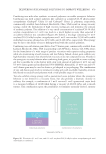
all hair abides by the schematic shown in Figure 5, and no general agreement exists among
numerous literature studies that have explored supposed compositional differences in terms
of amino acid levels.5–7 For all its variability, hair would appear to have the same general
makeup no matter how it is classified.
There is strong evidence to suggest that the fundamental shape of hair fibers is dictated by
the manner with which it grows within the follicle.41 Straight hair grows out of straight
follicles and from a symmetrical bulb curly hair grows from curved follicles and an
unsymmetrical bulb. Hair’s natural color is the consequence of melanin pigment granules
located within the cortex higher concentrations produce progressively darker hair, while
low levels produce lighter hair. Despite, the obvious effect on visual properties, the overall
low relative concentrations of melanin, in even the most heavily pigmented hair, leads to
a belief that its presence has no meaningful effect on physical properties. It is not unusual
to find hair fibers with dimensions anywhere between approximately 50 to 100 µm in
diameter yet, they still have the same fundamental structure. Thicker fibers tend to
have a hollow-like center, termed the medulla, which was traditionally thought to have
no meaningful contribution to hair properties. Returning to an earlier point about hair’s
primordial function of keeping the wearer warm, this hollow-like center might be expected
to increase insulating capacity. However, in recent years, we have learned this structure
has a high lipid content,42 which is leading to a rethinking of the passive nature of this
structure. So, while size, shape, and color can make hair look and behave differently, it’s not
because the hair is made of radically different stuff.
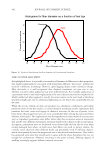
It’s worth considering how these seemingly passive properties can sizably impact hair’s
fundamental attributes. Thicker fibers will weigh more, which impacts the way the hair
bonds necessitates reactive chemistry, which in turn produces all manner of safety and
regulatory issues. Furthermore, new covalent bonds may not necessarily be advantageous.
Formaldehyde is a chemical that has long been reported to produce new protein crosslinking
in wool and hair40 and has been utilized as a means of permanently straightening hair via
so-called Brazilian Keratin treatments (notwithstanding the serious health implications).
Such treatments can be highly effective, but also result in a dramatic reduction of tensile
properties. It again seems likely that this new term/proposition involves wordsmithing
around the previously discussed relationship between the consumer perception of strength
(i.e., finding broken fibers) and the ability for sizable mitigation via lubricating conditioner
treatments.
In a similar vein, such lubrication can reasonably be expected to help slow certain pathways
of hair’s progressive degradation. Specifically, fibers will be exposed to lesser abrasion and
fatiguing during grooming and other forms of manipulation. This would seem to be a
reasonable and sound foundation for hair protection propositions.
HAIR TYPE
The appearance of hair can vary greatly from one individual to the next. Individual fibers
come in a wide variety of sizes, shapes, and colors and there appears a general presumption
among consumers that such differences must be the consequence of differing makeup. This
leads to the well-entrenched industry concept of “hair type” and the desire to pigeonhole
hair based on any one of a variety of variables (e.g., ethnicity, curl type, color, thickness,
etc.). Yet, historical technical evidence does not support this stance. The overall structure of
all hair abides by the schematic shown in Figure 5, and no general agreement exists among
numerous literature studies that have explored supposed compositional differences in terms
of amino acid levels.5–7 For all its variability, hair would appear to have the same general
makeup no matter how it is classified.
There is strong evidence to suggest that the fundamental shape of hair fibers is dictated by
the manner with which it grows within the follicle.41 Straight hair grows out of straight
follicles and from a symmetrical bulb curly hair grows from curved follicles and an
unsymmetrical bulb. Hair’s natural color is the consequence of melanin pigment granules
located within the cortex higher concentrations produce progressively darker hair, while
low levels produce lighter hair. Despite, the obvious effect on visual properties, the overall
low relative concentrations of melanin, in even the most heavily pigmented hair, leads to
a belief that its presence has no meaningful effect on physical properties. It is not unusual
to find hair fibers with dimensions anywhere between approximately 50 to 100 µm in
diameter yet, they still have the same fundamental structure. Thicker fibers tend to
have a hollow-like center, termed the medulla, which was traditionally thought to have
no meaningful contribution to hair properties. Returning to an earlier point about hair’s
primordial function of keeping the wearer warm, this hollow-like center might be expected
to increase insulating capacity. However, in recent years, we have learned this structure
has a high lipid content,42 which is leading to a rethinking of the passive nature of this
structure. So, while size, shape, and color can make hair look and behave differently, it’s not
because the hair is made of radically different stuff.
It’s worth considering how these seemingly passive properties can sizably impact hair’s
fundamental attributes. Thicker fibers will weigh more, which impacts the way the hair