444 JOURNAL OF COSMETIC SCIENCE
severe. Moreover, this continues over the lifespan of the fibers, which is generally around
three to six years. Hair grows at a rate of approximately 0.5 in per month, and the tips of
shoulder-length hair have accumulated the sum of two years’ worth of such insults. Not
surprisingly, despite its tough, strong makeup, the hair structure progressively degrades
with commensurate alteration in its physical properties. Most often these changes are
detrimental to the wearer. Tactile properties worsen, the hair becomes more unruly, and a
higher propensity for breakage may be encountered. This article has attempted to describe
the underlying technical reasons for these occurrences although, as explained, our industry
fixates on consumer language which causes considerable confusion. For example, as shown,
despite consumer beliefs, hair does not physically “dry out” and therefore does not need to
be “moisturized.” Indeed, the science shows that hair has decidedly poorer properties when
its water content is raised.
Hair-care products play an important role in the well-being and maintenance of hair.
Shampoos remove sebum, exogenous soils, and product residues that would otherwise
build up and leave hair feeling greasy, dull, and weighed down. Conditioners coat the hair
with a thin, aesthetically pleasing lubricating layer that improves feel, aids with grooming,
helps reduce abrasion, and can lessen fiber breakage. While these are all highly desirable
benefits (which most consumers likely could not do without), in the marketing world there
is always the need for a new story. Accordingly, messages become increasingly grander:
attractive sounding but nonfunctional ingredients are touted, false promises are made,
the fundamental science takes a backseat, and the credibility of our industry suffers. It is
hoped that this article helps to emphasize and reinforce the differences between science and
marketing as well as the differences between scientific language and consumer language.
REFERENCES
(1) ReferencesFortune business insights. Hair Care Market Size, Share &Industry Analysis 2024, August 5.
https://www.fortunebusinessinsights.com/hair-care-market-102555.
(2) Evans TA. How damaged is your hair? – Part 1: Surface damage. Cosmet Toiletries. April 2017 132(4):38–48.
(3) Evans TA. How damaged is your hair? – Part 2: Internal damage. Cosmet Toiletries. June 2017 132(6):36–45.
(4) Evans TA. How damaged is your hair? – Part 3: Better defining the problem. Cosmet Toiletries. July/
August 2017 132(7):58–67.
(5) Robbins CR, Chapter 1. Morphological and macromolecular structure. In: Chemical and Physical Behaviors
of Human Hair. 5th ed. Springer-Verlag.
(6) Swift JA. The structure and chemistry of human hair. In: Practical Modern Hair Science, T. Evans and R.R.
Wickett. Allured Publishing 2012.
(7) Franbourg A, Leroy F. Hair structure, function and physiochemical properties. In: The Science of Hair
Care, C. Bouillon and J. Wilkinson. CRC Press 2005.
(8) Marshall RC, Orwin DFG, Gillespie JM. Structure and biochemistry of mammalian hard keratin.
Electron Microsc Rev. 1991 4(1):47–83. doi:10.1016/0892-0354(91)90016-6
(9) Evans TA. A Review of permanent waving and perm chemistry. J Cosmet Sci. 2021 72(1):99–133.
(10) Robbins CR, Kelly CK. Amino acid analysis of cosmetically altered hair. J Cosmet Sci. 1969 20:555–564.
(11) Hoting E, Zimmermann M, Hilterhaus-Bong S, Schwarzkopf H. Photochemical alterations in human
hair. I. Artificial irradiation and investigations of hair proteins. J Soc Cosmet Chem. 1995 46(2):85–99.
(12) White HJ, Stam PB. An experimental and theoretical study of the adsorption and swelling isotherms of
human hair in water vapor. Tex. Res. J. 1949 19:136–151.
severe. Moreover, this continues over the lifespan of the fibers, which is generally around
three to six years. Hair grows at a rate of approximately 0.5 in per month, and the tips of
shoulder-length hair have accumulated the sum of two years’ worth of such insults. Not
surprisingly, despite its tough, strong makeup, the hair structure progressively degrades
with commensurate alteration in its physical properties. Most often these changes are
detrimental to the wearer. Tactile properties worsen, the hair becomes more unruly, and a
higher propensity for breakage may be encountered. This article has attempted to describe
the underlying technical reasons for these occurrences although, as explained, our industry
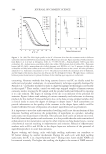
fixates on consumer language which causes considerable confusion. For example, as shown,
despite consumer beliefs, hair does not physically “dry out” and therefore does not need to
be “moisturized.” Indeed, the science shows that hair has decidedly poorer properties when
its water content is raised.
Hair-care products play an important role in the well-being and maintenance of hair.
Shampoos remove sebum, exogenous soils, and product residues that would otherwise
build up and leave hair feeling greasy, dull, and weighed down. Conditioners coat the hair
with a thin, aesthetically pleasing lubricating layer that improves feel, aids with grooming,
helps reduce abrasion, and can lessen fiber breakage. While these are all highly desirable
benefits (which most consumers likely could not do without), in the marketing world there
is always the need for a new story. Accordingly, messages become increasingly grander:
attractive sounding but nonfunctional ingredients are touted, false promises are made,
the fundamental science takes a backseat, and the credibility of our industry suffers. It is
hoped that this article helps to emphasize and reinforce the differences between science and
marketing as well as the differences between scientific language and consumer language.
REFERENCES
(1) ReferencesFortune business insights. Hair Care Market Size, Share &Industry Analysis 2024, August 5.
https://www.fortunebusinessinsights.com/hair-care-market-102555.
(2) Evans TA. How damaged is your hair? – Part 1: Surface damage. Cosmet Toiletries. April 2017 132(4):38–48.
(3) Evans TA. How damaged is your hair? – Part 2: Internal damage. Cosmet Toiletries. June 2017 132(6):36–45.
(4) Evans TA. How damaged is your hair? – Part 3: Better defining the problem. Cosmet Toiletries. July/
August 2017 132(7):58–67.
(5) Robbins CR, Chapter 1. Morphological and macromolecular structure. In: Chemical and Physical Behaviors
of Human Hair. 5th ed. Springer-Verlag.
(6) Swift JA. The structure and chemistry of human hair. In: Practical Modern Hair Science, T. Evans and R.R.
Wickett. Allured Publishing 2012.
(7) Franbourg A, Leroy F. Hair structure, function and physiochemical properties. In: The Science of Hair
Care, C. Bouillon and J. Wilkinson. CRC Press 2005.
(8) Marshall RC, Orwin DFG, Gillespie JM. Structure and biochemistry of mammalian hard keratin.
Electron Microsc Rev. 1991 4(1):47–83. doi:10.1016/0892-0354(91)90016-6
(9) Evans TA. A Review of permanent waving and perm chemistry. J Cosmet Sci. 2021 72(1):99–133.
(10) Robbins CR, Kelly CK. Amino acid analysis of cosmetically altered hair. J Cosmet Sci. 1969 20:555–564.
(11) Hoting E, Zimmermann M, Hilterhaus-Bong S, Schwarzkopf H. Photochemical alterations in human
hair. I. Artificial irradiation and investigations of hair proteins. J Soc Cosmet Chem. 1995 46(2):85–99.
(12) White HJ, Stam PB. An experimental and theoretical study of the adsorption and swelling isotherms of
human hair in water vapor. Tex. Res. J. 1949 19:136–151.