456 JOURNAL OF COSMETIC SCIENCE
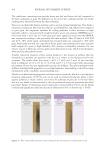
POLLUTION SIMULATION: PARTICLE ADHESION ON HAIR
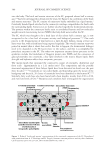
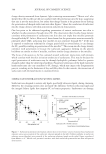
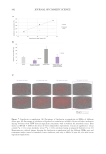
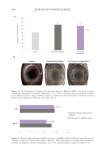
Iron oxides particles (1 µm) are used as a substitute for pollution particles (PM2.5) and put
in contact with a bleached hair tress (4-hour bleached European hair from Kerling, then
further bleached with commercial bleaching powder) in a glass container that is rolled
on a home-built slope 20 times. The tress is removed and the image is analyzed (ImageJ
software), allowing the quantification of particle adhesion by looking at the grey value
(overall darkness of the tress). Six replicates per treatment are done, with 0.4 g treatment
per gram of hair.
RESULTS AND DISCUSSION
PART I: ACTIVE INGREDIENTS
Sustainability of the Active Ingredients. Even though active ingredients are present in
cosmetic formulations in limited amounts compared to the functional ingredients, their
sustainability can still significantly contribute to the formula. According to this mindset,
many chemical suppliers are working to improve active ingredient sustainability. This
article focuses on our efforts in three actives platforms (synthetic peptides, botanicals, and
biotechnological ingredients) and our efforts toward expanding three out of the four pillars:
biodegradability/renewable carbon, ecodesigned/clean processes, and sustainable sourcing.
Biodegradability/Renewable Carbon. The active ingredients described in this article are
easily biodegradable given their nature. Matching the expectation of botanical extracts
and biotechnological extracts that contain natural water-soluble molecules, THW biotech
ingredient concentrate, and S rebaudiana extract are readily biodegradable according to
the OECD301B method, which shows biodegradability of 91% and 71.5% at 28 days,
respectively. In the case of synthetic peptides, biodegradability is especially high given
the abundance of enzymes in nature that can digest peptides and uptake amino acids as
nitrogen source to support the growth of microorganisms. This is the case of tetrapeptide-1,
which, according to the OECD301A method, shows a biodegradability of 98% at 28 days.
Since botanical and biotechnological platforms already by definition use renewable carbon
(THW biotech ingredient), S rebaudiana extract reach 100% of naturality according to
ISO16128. Efforts to expand the use of renewable carbon materials have mainly been in
the synthetic peptide platform. An example is found in tetrapeptide-1, which uses natural
amino acids from the pool of 20 building blocks that compose proteins and are obtained
from renewable sources, either of vegetal or biosynthetic origin. In this case, the naturality
of the commercial solution accounts for 99.5%.
Ecodesigned/Clean Processes. Similar to the use of renewable carbon, botanical extract
ingredients and biotechnological platforms are in a much-advanced position. In the early
1900s, before the synthetic era, almost all medicinal and beneficial ingredients were obtained
from roots, barks, and leaves. The plant kingdom is a diverse spectrum of phytochemical
molecules that impart fascinating benefits in a multitude of ways, and extracts have been
used for several thousands of years and used in many forms from teas to tinctures to pure
isolated phytochemicals, among others.
New applications of green and sustainable technologies have opened opportunities for more
efficient and complex botanical extracts to be produced with reduced manufacturing and
POLLUTION SIMULATION: PARTICLE ADHESION ON HAIR
Iron oxides particles (1 µm) are used as a substitute for pollution particles (PM2.5) and put
in contact with a bleached hair tress (4-hour bleached European hair from Kerling, then
further bleached with commercial bleaching powder) in a glass container that is rolled
on a home-built slope 20 times. The tress is removed and the image is analyzed (ImageJ
software), allowing the quantification of particle adhesion by looking at the grey value
(overall darkness of the tress). Six replicates per treatment are done, with 0.4 g treatment
per gram of hair.
RESULTS AND DISCUSSION
PART I: ACTIVE INGREDIENTS
Sustainability of the Active Ingredients. Even though active ingredients are present in
cosmetic formulations in limited amounts compared to the functional ingredients, their
sustainability can still significantly contribute to the formula. According to this mindset,
many chemical suppliers are working to improve active ingredient sustainability. This
article focuses on our efforts in three actives platforms (synthetic peptides, botanicals, and
biotechnological ingredients) and our efforts toward expanding three out of the four pillars:
biodegradability/renewable carbon, ecodesigned/clean processes, and sustainable sourcing.
Biodegradability/Renewable Carbon. The active ingredients described in this article are
easily biodegradable given their nature. Matching the expectation of botanical extracts
and biotechnological extracts that contain natural water-soluble molecules, THW biotech
ingredient concentrate, and S rebaudiana extract are readily biodegradable according to
the OECD301B method, which shows biodegradability of 91% and 71.5% at 28 days,
respectively. In the case of synthetic peptides, biodegradability is especially high given
the abundance of enzymes in nature that can digest peptides and uptake amino acids as
nitrogen source to support the growth of microorganisms. This is the case of tetrapeptide-1,
which, according to the OECD301A method, shows a biodegradability of 98% at 28 days.
Since botanical and biotechnological platforms already by definition use renewable carbon
(THW biotech ingredient), S rebaudiana extract reach 100% of naturality according to
ISO16128. Efforts to expand the use of renewable carbon materials have mainly been in
the synthetic peptide platform. An example is found in tetrapeptide-1, which uses natural
amino acids from the pool of 20 building blocks that compose proteins and are obtained
from renewable sources, either of vegetal or biosynthetic origin. In this case, the naturality
of the commercial solution accounts for 99.5%.
Ecodesigned/Clean Processes. Similar to the use of renewable carbon, botanical extract
ingredients and biotechnological platforms are in a much-advanced position. In the early
1900s, before the synthetic era, almost all medicinal and beneficial ingredients were obtained
from roots, barks, and leaves. The plant kingdom is a diverse spectrum of phytochemical
molecules that impart fascinating benefits in a multitude of ways, and extracts have been
used for several thousands of years and used in many forms from teas to tinctures to pure
isolated phytochemicals, among others.
New applications of green and sustainable technologies have opened opportunities for more
efficient and complex botanical extracts to be produced with reduced manufacturing and