476 JOURNAL OF COSMETIC SCIENCE
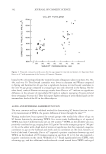
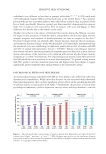
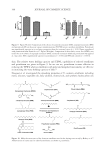
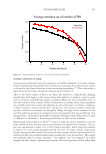
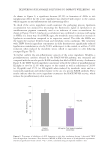
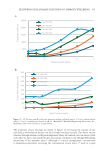
increase in mucilage viscosity. Hydrating the gum at a high temperature increases its
solubility and reduces the hydration time, which also leads to higher viscosity mucilage.
Because of its viscosity and nonionic characteristics, tara can be used as a rheology modifier
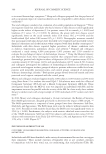
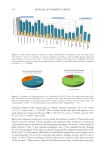
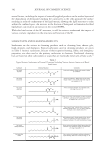
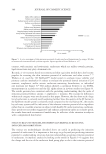
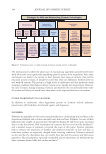
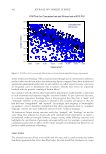
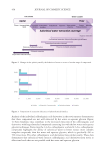
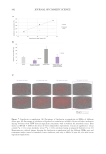
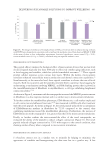
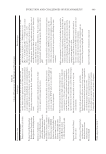
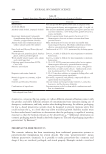
in conditioners with 0.3 wt% to 0.9 wt% of tara in a simple chassis as shown in Figure 25.
The results show an increase in viscosity and yield value with an increasing amount of
tara. The yield value provides an indication of the microstructure of the formula (lamellar
gel network),27 and the higher yield value typically results in a more stable system. The
stabilization of the lamellar structure of the emulsion formula was observed under a
microscope with polarized light when including tara was also demonstrated in internal
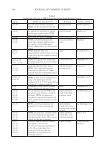
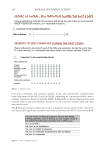
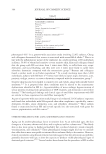
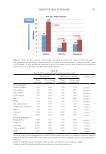
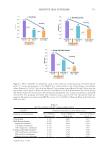
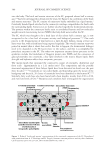
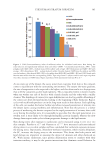
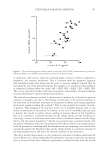
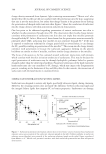
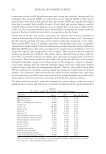
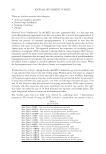
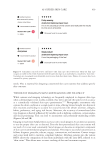
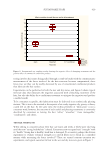
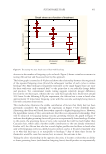
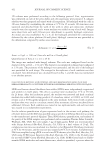
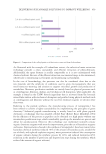
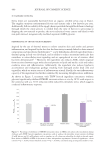
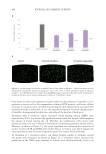
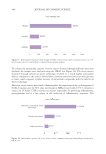
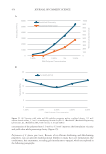
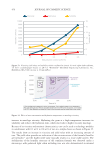
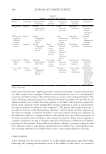
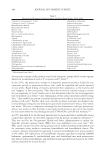
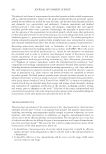
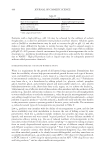
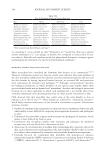
Figure 23. Viscosity, yield value, and turbidity within a sulfate-free chassis: 6.0 wt% alpha olefin sulfonate,
4.0 wt% cocamidopropyl betaine at pH 6.5. *Brookfield® (Brookfield Engineering Laboratories, Inc.,
Middleboro, MA, USA) viscosity at 20 rpm (mPa·s).
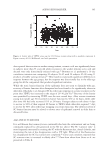
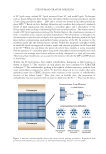
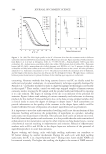
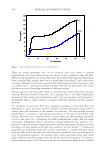
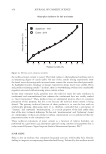
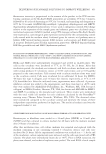
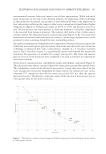
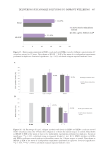
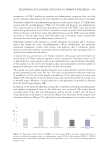
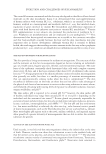
Figure 24. Effect of tara concentration and hydration temperature on mucilage viscosity.
increase in mucilage viscosity. Hydrating the gum at a high temperature increases its
solubility and reduces the hydration time, which also leads to higher viscosity mucilage.
Because of its viscosity and nonionic characteristics, tara can be used as a rheology modifier
in conditioners with 0.3 wt% to 0.9 wt% of tara in a simple chassis as shown in Figure 25.
The results show an increase in viscosity and yield value with an increasing amount of
tara. The yield value provides an indication of the microstructure of the formula (lamellar
gel network),27 and the higher yield value typically results in a more stable system. The
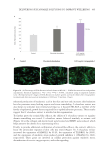
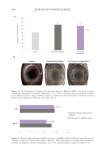
stabilization of the lamellar structure of the emulsion formula was observed under a
microscope with polarized light when including tara was also demonstrated in internal
Figure 23. Viscosity, yield value, and turbidity within a sulfate-free chassis: 6.0 wt% alpha olefin sulfonate,
4.0 wt% cocamidopropyl betaine at pH 6.5. *Brookfield® (Brookfield Engineering Laboratories, Inc.,
Middleboro, MA, USA) viscosity at 20 rpm (mPa·s).
Figure 24. Effect of tara concentration and hydration temperature on mucilage viscosity.