342 JOURNAL OF COSMETIC SCIENCE
bound to SC cell envelopes from the ventral forearms of Japanese subjects in their 20s, 30s,
40s, and over 50. Total bound ceramides were lower in Autumn and Winter compared
to Spring and Summer for all ages but a significant decrease in total bound ceramides in
the over 50 age group compared to younger ages was only observed in the Spring. On the
other hand, confocal Raman microscopy results from Choe et al.64 indicate no significant
difference in the amount of intercellular SC lipids in subjects averaging 29 years old and
those averaging 50 years old. They did report higher ordering of intercellular lipids in the
intermediate levels of the SC in the older subjects.
AGING AND EPIDERMAL BARRIER FUNCTION
The most common and best validated method for determining SC barrier function in vivo
is by measurement of TEWL, the passive diffusion of water through the skin.65–67
Varying results have been reported by several groups who studied the effects of age on
SC barrier function by measuring TEWL. In a recent study Luebberding et al. reported
TEWL data from 6 different body sites on 150 women.68 TEWL on the décolleté area was
positively correlated to age, ranging from 5.62 gm/m2-hr on the youngest group to 7.86 gm/
m2-hr on the oldest with a high level of statistical significance but they reported a negative
correlation to age on the forehead and cheek and no correlation on the neck, forearm, or
back of the hand. Conversely, Pan et al.69 reported a positive correlation between age and
TEWL on the forehead of 178 women ranging in age from 20 to 64, but also reported a
negative correlation on the cheek. Wilhelm et al.70 found significantly lower TEWL with
advancing age, and five additional studies showed a trend toward lower TEWL with aged
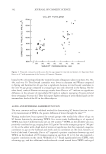
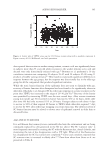
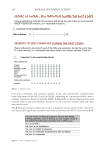
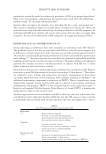
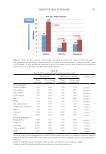
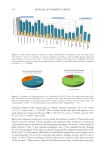
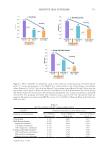
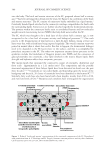
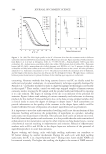
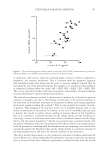
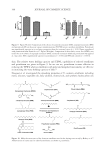
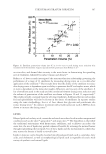
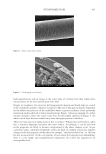
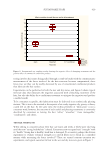
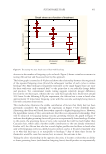
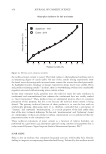
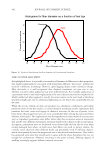
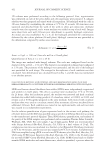
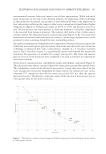
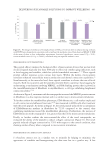
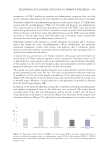
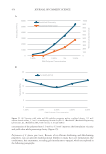
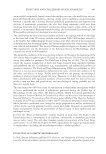
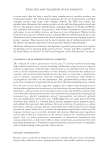
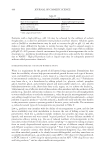
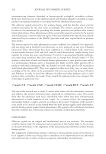
Figure 3. Projected corneocyte surface area for two age ranges for men (⚫) and women (⚪). Reprinted from
Grove et al.56 with permission of the Society of Cosmetic Chemists.
bound to SC cell envelopes from the ventral forearms of Japanese subjects in their 20s, 30s,
40s, and over 50. Total bound ceramides were lower in Autumn and Winter compared
to Spring and Summer for all ages but a significant decrease in total bound ceramides in
the over 50 age group compared to younger ages was only observed in the Spring. On the
other hand, confocal Raman microscopy results from Choe et al.64 indicate no significant
difference in the amount of intercellular SC lipids in subjects averaging 29 years old and
those averaging 50 years old. They did report higher ordering of intercellular lipids in the
intermediate levels of the SC in the older subjects.
AGING AND EPIDERMAL BARRIER FUNCTION
The most common and best validated method for determining SC barrier function in vivo
is by measurement of TEWL, the passive diffusion of water through the skin.65–67
Varying results have been reported by several groups who studied the effects of age on
SC barrier function by measuring TEWL. In a recent study Luebberding et al. reported
TEWL data from 6 different body sites on 150 women.68 TEWL on the décolleté area was
positively correlated to age, ranging from 5.62 gm/m2-hr on the youngest group to 7.86 gm/
m2-hr on the oldest with a high level of statistical significance but they reported a negative
correlation to age on the forehead and cheek and no correlation on the neck, forearm, or
back of the hand. Conversely, Pan et al.69 reported a positive correlation between age and
TEWL on the forehead of 178 women ranging in age from 20 to 64, but also reported a
negative correlation on the cheek. Wilhelm et al.70 found significantly lower TEWL with
advancing age, and five additional studies showed a trend toward lower TEWL with aged
Figure 3. Projected corneocyte surface area for two age ranges for men (⚫) and women (⚪). Reprinted from
Grove et al.56 with permission of the Society of Cosmetic Chemists.