344 JOURNAL OF COSMETIC SCIENCE
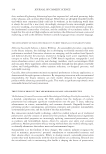
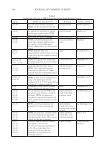
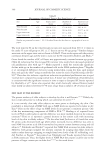
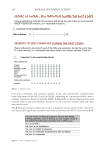
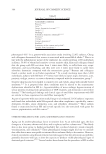
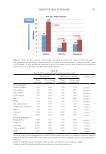
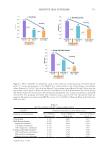
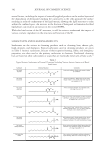
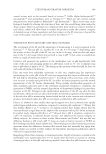
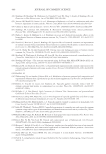
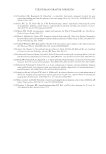
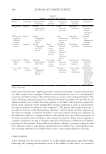
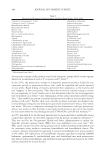
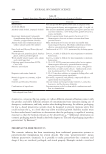
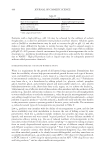
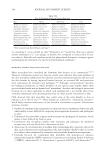
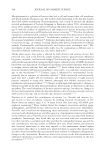
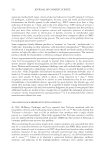
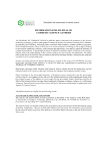
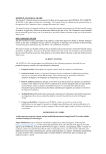
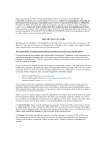
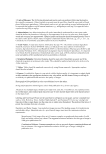
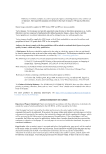
Table I
Comparison of Results of TEWL Versus Age Studies From Different Authors
Age (y) TEWL outcome g/(m2-hr) Body area Author /reference
20–90 No correlation between baseline
TEWL on the ventral forearm and
age
ventral forearm Roskos and Guy75
20–90 No significant correlation to age on
the forearm, trend to lower TEWL
observed for subjects above age 55
ventral forearm Marks et al.71
20–80 No significant change in TEWL. upper outer arm Rougier et al.38
66–81
19–26
TEWL on both the forearm and
lower legs averaged slightly lower
for a group of individuals aged
66–81 compared to a 19–26-year-old
cohort
forearm and lower
legs
Kligman72
25–65
65–75
TEWL from the arm to be
approximately constant from 25–65 y
of age but to decline slightly between
ages 65 and 75
Arm Leveque et al.25
26.7 ± 2.8
70.5 ± 13.8
TEWL was significantly lower from
the older age group on all sites except
the palm
several body sites Wilhelm et al.70
1–5
21–34
63–78
Aged individuals had the lowest
TEWL values on both body sites.
There was no difference in TEWL
from the dorsum of the hand between
children and young adults
dorsum of hand,
dorsum of foot
Saijo et al.73
Under 30
Over 80
TEWL of 4.43 ± 0.16 g/(m2-hr) for a
group of 6 individuals over 80
compared to 6.41 ± 0.93 g/(m2-hr) for
a group of 21 subjects under 30
Ghadially et al.85
69.8
27.7
Significantly lower TEWL on older
group compared to younger group
Back Schwindt et al.106
18–29
30–39
40–49
50–59
60–80
No correlation between TEWL and
age on the neck, forearm, or back of
the hand. TEWL was negatively
correlated to age on the forehead and
cheek and positively correlated on the
décolleté
female décolleté
back of the hand,
forehead, cheek
Luebberding et al.68
20–70 TEWL varied by localization, but
generally not with increasing age
male forehead,
cheek, neck, volar
forearm, and dorsum
of hand
Luebberding et al.76
20–29
30–39
40–49
50–64
TEWL was positively correlated with
age on the forehand and negatively
correlated on the cheek. There was no
change on the chin or forearm
female forehead,
cheek (left), chin,
and inner forearm
Pan et. al.69
10–19
20–29
30–39
40–49
50–59
60–70
Statistical analysis indicated TEWL
was lowest in 10–19, and
60–70-year-old groups and highest
in 30–59 year age range but a
scatter plot indicates that the
differences are not likely to be
clinically relevant
female forearm Hillebrand and
Wickett74
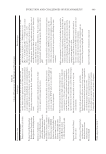
Table I
Comparison of Results of TEWL Versus Age Studies From Different Authors
Age (y) TEWL outcome g/(m2-hr) Body area Author /reference
20–90 No correlation between baseline
TEWL on the ventral forearm and
age
ventral forearm Roskos and Guy75
20–90 No significant correlation to age on
the forearm, trend to lower TEWL
observed for subjects above age 55
ventral forearm Marks et al.71
20–80 No significant change in TEWL. upper outer arm Rougier et al.38
66–81
19–26
TEWL on both the forearm and
lower legs averaged slightly lower
for a group of individuals aged
66–81 compared to a 19–26-year-old
cohort
forearm and lower
legs
Kligman72
25–65
65–75
TEWL from the arm to be
approximately constant from 25–65 y
of age but to decline slightly between
ages 65 and 75
Arm Leveque et al.25
26.7 ± 2.8
70.5 ± 13.8
TEWL was significantly lower from
the older age group on all sites except
the palm
several body sites Wilhelm et al.70
1–5
21–34
63–78
Aged individuals had the lowest
TEWL values on both body sites.
There was no difference in TEWL
from the dorsum of the hand between
children and young adults
dorsum of hand,
dorsum of foot
Saijo et al.73
Under 30
Over 80
TEWL of 4.43 ± 0.16 g/(m2-hr) for a
group of 6 individuals over 80
compared to 6.41 ± 0.93 g/(m2-hr) for
a group of 21 subjects under 30
Ghadially et al.85
69.8
27.7
Significantly lower TEWL on older
group compared to younger group
Back Schwindt et al.106
18–29
30–39
40–49
50–59
60–80
No correlation between TEWL and
age on the neck, forearm, or back of
the hand. TEWL was negatively
correlated to age on the forehead and
cheek and positively correlated on the
décolleté
female décolleté
back of the hand,
forehead, cheek
Luebberding et al.68
20–70 TEWL varied by localization, but
generally not with increasing age
male forehead,
cheek, neck, volar
forearm, and dorsum
of hand
Luebberding et al.76
20–29
30–39
40–49
50–64
TEWL was positively correlated with
age on the forehand and negatively
correlated on the cheek. There was no
change on the chin or forearm
female forehead,
cheek (left), chin,
and inner forearm
Pan et. al.69
10–19
20–29
30–39
40–49
50–59
60–70
Statistical analysis indicated TEWL
was lowest in 10–19, and
60–70-year-old groups and highest
in 30–59 year age range but a
scatter plot indicates that the
differences are not likely to be
clinically relevant
female forearm Hillebrand and
Wickett74