383 The Human Stratum Corneum
Because of their complex solution chemistry and solubility limitations under acidic pH
conditions, common soaps are formulated under high alkaline pH conditions (e.g. pH 9
to 11). In contrast, synthetic detergent bars commonly based on isethionate as the main
anionic head group have a pH independent head group and therefore are formulated in the
neutral pH range.24 It is also well recognized in the literature that the syndet bars with
acyl isethionate as the main surfactant under neutral pH conditions are significantly milder
than conventional alkaline soaps.24–26
Liquid formats offer more flexibility in the choice of their surfactants. Typically, a mixture of
surfactants is used in liquid cleansers. Anionic surfactants are mixed with amphoteric and/
or nonionic surfactants to increase skin mildness while ensuring consumer desired sensory
and cleansing properties. The physical chemistry of skin cleansing has been investigated in
detail over the past three decades, and guidelines for selecting surfactant combinations for
enhanced mildness have been developed. This is examined below.
INTERACTIONS OF SURFACTANTS WITH STRATUM CORNEUM
Early work on surfactant interactions with the SC centered around developing model systems
and in vitro methodologies to correlate with cleanser surfactant-induced skin irritation in in
vivo clinical studies such as patch tests and more realistic controlled arm wash tests.26–34 It
was evident from such studies that protein denaturation tendency of surfactants and swelling
of isolated SC by surfactant solutions correlated with in vivo skin irritation tendency of
surfactants. For example, the surfactant-induced dissolution of water insoluble corn protein,
Zein, by various common surfactants has been correlated with their tendency to irritate skin
in vivo patch tests.28,34 Rhein et al. showed that the human SC swelling by model surfactants
correlated with their tendency to cause skin irritation in in vivo patch tests.29,32 Rhein et al.
also showed that the swelling tendencies of sodium lauryl sulfate (SLS) can be modulated by
adding an amphoteric or even milder anionic surfactants while maintaining the levels of SLS
in the system.32 These results were also consistent with the in vivo path irritation test results
reported by Dillarstone and Paye35 and form essentially the basis for the use of anionic and
amphoteric surfactant combinations used in shower gels and shampoos today.
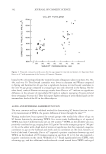
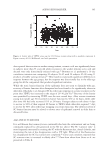
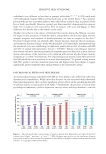
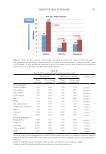
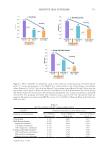
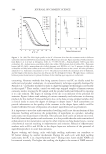
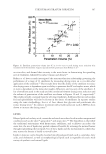
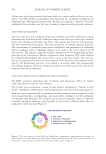
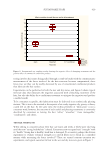
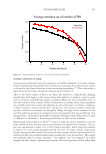
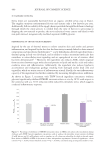
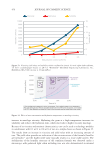
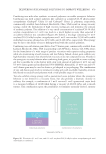
Recently, in vivo measurements of SC swelling by the Confocal Raman technique has also
been shown to correlate with the in vivo mildness of surfactants.36 The authors using D
2 O
found that the depth profile of D
2 O after treatment with various surfactants showed a plateau
region near the surface followed by a decreasing D
2 O content into inner layers of the SC (See
Figure 3). Importantly, the D
2 O content of the plateau layer and the thickness of the plateau
layer correlated with the irritation potential of the surfactant. This shows that the deeper the
plateau layer, the deeper is the surfactant penetration and higher is the degree of damage.
Also, the higher the D
2 O content in the plateau layer, the higher the damage is.
In vivo swelling/water uptake upon surfactant binding can come from both swelling of the
proteins and from the swelling of the lamellar lipid layer. Since the swelling of the corneocytes
is significantly higher than that from the lipid layer swelling, it is reasonable that the protein
denaturation tendency and the associated swelling correlate better with the irritation potential.
Over the years, the methodologies for evaluating the irritation tendencies of surfactants
have evolved significantly. While in vivo clinical methodologies such as FCAT (Forearm
Controlled Application Test)27 and near-normal-use controlled consumer use studies are more
reflective of irritation potential under normal use conditions, they can be expensive and time
Because of their complex solution chemistry and solubility limitations under acidic pH
conditions, common soaps are formulated under high alkaline pH conditions (e.g. pH 9
to 11). In contrast, synthetic detergent bars commonly based on isethionate as the main
anionic head group have a pH independent head group and therefore are formulated in the
neutral pH range.24 It is also well recognized in the literature that the syndet bars with
acyl isethionate as the main surfactant under neutral pH conditions are significantly milder
than conventional alkaline soaps.24–26
Liquid formats offer more flexibility in the choice of their surfactants. Typically, a mixture of
surfactants is used in liquid cleansers. Anionic surfactants are mixed with amphoteric and/
or nonionic surfactants to increase skin mildness while ensuring consumer desired sensory
and cleansing properties. The physical chemistry of skin cleansing has been investigated in
detail over the past three decades, and guidelines for selecting surfactant combinations for
enhanced mildness have been developed. This is examined below.
INTERACTIONS OF SURFACTANTS WITH STRATUM CORNEUM
Early work on surfactant interactions with the SC centered around developing model systems
and in vitro methodologies to correlate with cleanser surfactant-induced skin irritation in in
vivo clinical studies such as patch tests and more realistic controlled arm wash tests.26–34 It
was evident from such studies that protein denaturation tendency of surfactants and swelling
of isolated SC by surfactant solutions correlated with in vivo skin irritation tendency of
surfactants. For example, the surfactant-induced dissolution of water insoluble corn protein,
Zein, by various common surfactants has been correlated with their tendency to irritate skin
in vivo patch tests.28,34 Rhein et al. showed that the human SC swelling by model surfactants
correlated with their tendency to cause skin irritation in in vivo patch tests.29,32 Rhein et al.
also showed that the swelling tendencies of sodium lauryl sulfate (SLS) can be modulated by
adding an amphoteric or even milder anionic surfactants while maintaining the levels of SLS
in the system.32 These results were also consistent with the in vivo path irritation test results
reported by Dillarstone and Paye35 and form essentially the basis for the use of anionic and
amphoteric surfactant combinations used in shower gels and shampoos today.
Recently, in vivo measurements of SC swelling by the Confocal Raman technique has also
been shown to correlate with the in vivo mildness of surfactants.36 The authors using D
2 O
found that the depth profile of D
2 O after treatment with various surfactants showed a plateau
region near the surface followed by a decreasing D
2 O content into inner layers of the SC (See
Figure 3). Importantly, the D
2 O content of the plateau layer and the thickness of the plateau
layer correlated with the irritation potential of the surfactant. This shows that the deeper the
plateau layer, the deeper is the surfactant penetration and higher is the degree of damage.
Also, the higher the D
2 O content in the plateau layer, the higher the damage is.
In vivo swelling/water uptake upon surfactant binding can come from both swelling of the
proteins and from the swelling of the lamellar lipid layer. Since the swelling of the corneocytes
is significantly higher than that from the lipid layer swelling, it is reasonable that the protein
denaturation tendency and the associated swelling correlate better with the irritation potential.
Over the years, the methodologies for evaluating the irritation tendencies of surfactants
have evolved significantly. While in vivo clinical methodologies such as FCAT (Forearm
Controlled Application Test)27 and near-normal-use controlled consumer use studies are more
reflective of irritation potential under normal use conditions, they can be expensive and time