385 The Human Stratum Corneum
As one steps out of the shower, the excess water must evaporate from skin as the corneum
comes to equilibrium with the surrounding environment. The steeper the water gradient,
the rate of evaporation is also expected to be higher, and this often results in a drying stress
that is felt by consumers as after wash tightness. This is typically evident in winter months
when one washes one side of the face with a harsh cleanser and the other with a milder
cleanser. The shrinkage of corneocytes upon dehydration can lead to possible debonding of
the corneocytes from the lipid matrix, leading to the beginning of flake formation. Repeat
cycles with such harsh products can in the long-term result in skin dryness. Such uplifting
of the cells can weaken the barrier further and allow increased penetration of irritants into
the deeper layers causing erythema and inflammation. Note that this process is a slower
process of weakening the barrier compared to the rapid penetration of irritants that could
occur during the swollen state. It is reasonable to speculate that the rapid penetration in a
swollen state is more likely to be through hydrophilic protein channels, whereas the slow
damage from repeat wash cycles is from progressive damage to the lipid matrix.
Skin drying stress after exposure to surfactants can be measured using in vitro or ex vivo
skin samples. Purohit et al.40 and German et al.41–42 have measured surfactant-induced
drying stress in ex vivo skin samples and have concluded that surfactant exposure increases
the drying stress. Importantly, chloroform-methanol treatment, which mainly delipidates
the SC, increases the drying stress to the maximum. This shows that both protein and
lipid damage are important in assessing the impact of cleansers and other chemicals on
SC. With anionic surfactants, since protein denaturation seems to correlate with their
irritation tendency, it may be the protein interactions that dominate overall behavior. In
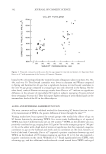
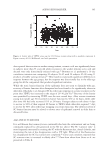
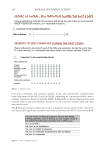
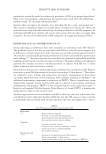
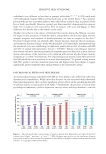
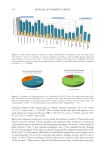
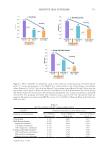
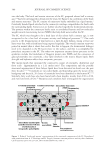
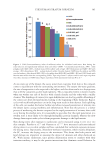
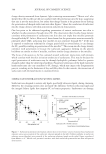
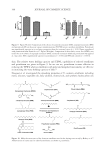
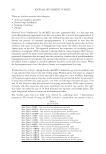
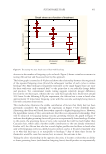
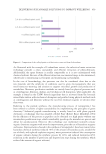
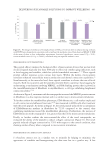
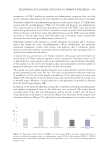
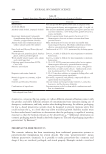
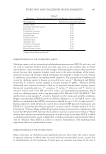
Figure 4. CIM (Corneosurfametry index of mildness) values for individual surfactants. Bars having the
same letter are not significantly different from each other. CAPB – Cocoamido propyl betaine, APG – alkyl
polyglucoside, SLES 1 EO – Sodium lauryl ether sulfate with average 1 EO ethoxylation and SLES 3 EO with
average 3 EO ethoxylation, SDS – sodium dodecyl sulfate. Results showed CAPB was the mildest and SDS
was the harshest. Also showed SLES 3 EO to be milder than SLES 1EO and SLES 1 EO and 3 EO blends with
Betaine were milder than the corresponding SLESs. Tape strips from 12 subjects and for each tape strip there
were three measures of CIM values. Figure reproduced with permission from Liu M et al.38
As one steps out of the shower, the excess water must evaporate from skin as the corneum
comes to equilibrium with the surrounding environment. The steeper the water gradient,
the rate of evaporation is also expected to be higher, and this often results in a drying stress
that is felt by consumers as after wash tightness. This is typically evident in winter months
when one washes one side of the face with a harsh cleanser and the other with a milder
cleanser. The shrinkage of corneocytes upon dehydration can lead to possible debonding of
the corneocytes from the lipid matrix, leading to the beginning of flake formation. Repeat
cycles with such harsh products can in the long-term result in skin dryness. Such uplifting
of the cells can weaken the barrier further and allow increased penetration of irritants into
the deeper layers causing erythema and inflammation. Note that this process is a slower
process of weakening the barrier compared to the rapid penetration of irritants that could
occur during the swollen state. It is reasonable to speculate that the rapid penetration in a
swollen state is more likely to be through hydrophilic protein channels, whereas the slow
damage from repeat wash cycles is from progressive damage to the lipid matrix.
Skin drying stress after exposure to surfactants can be measured using in vitro or ex vivo
skin samples. Purohit et al.40 and German et al.41–42 have measured surfactant-induced
drying stress in ex vivo skin samples and have concluded that surfactant exposure increases
the drying stress. Importantly, chloroform-methanol treatment, which mainly delipidates
the SC, increases the drying stress to the maximum. This shows that both protein and
lipid damage are important in assessing the impact of cleansers and other chemicals on
SC. With anionic surfactants, since protein denaturation seems to correlate with their
irritation tendency, it may be the protein interactions that dominate overall behavior. In
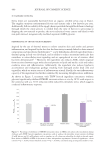
Figure 4. CIM (Corneosurfametry index of mildness) values for individual surfactants. Bars having the
same letter are not significantly different from each other. CAPB – Cocoamido propyl betaine, APG – alkyl
polyglucoside, SLES 1 EO – Sodium lauryl ether sulfate with average 1 EO ethoxylation and SLES 3 EO with
average 3 EO ethoxylation, SDS – sodium dodecyl sulfate. Results showed CAPB was the mildest and SDS
was the harshest. Also showed SLES 3 EO to be milder than SLES 1EO and SLES 1 EO and 3 EO blends with
Betaine were milder than the corresponding SLESs. Tape strips from 12 subjects and for each tape strip there
were three measures of CIM values. Figure reproduced with permission from Liu M et al.38