397 The Human Stratum Corneum
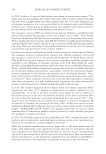
on vitro-skin, and showed that viscosity is the main factor in determining the spreading
rate of emollients, followed by surface tension and density.69
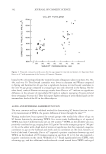
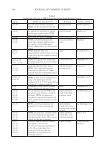
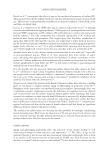
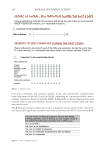
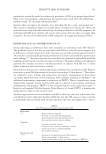
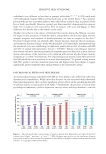
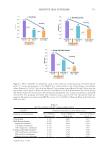
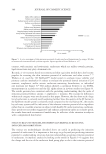
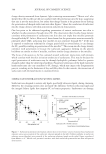
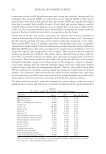
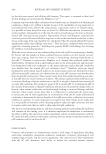
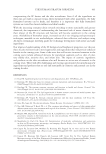
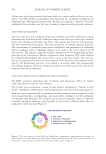
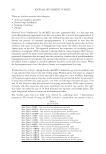
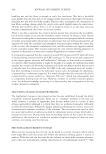
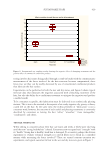
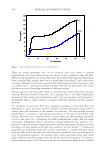
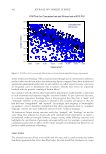
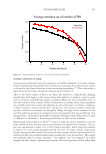
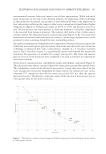
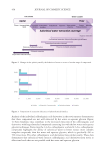
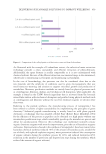
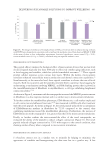
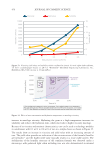
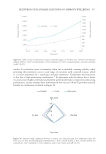
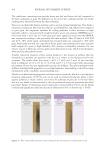
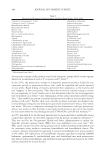
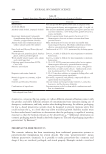
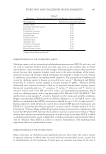
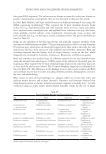
Berkey et al. have recently investigated the structure-function relationship governing the
performance of a range of 14 emollients by measuring drying stress on ex vivo skin after
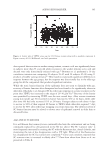
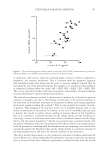
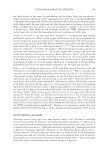
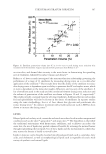
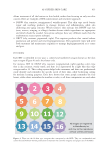
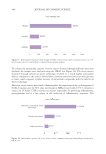
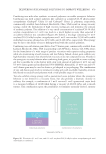
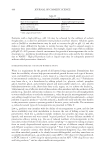
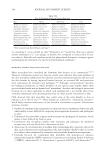
application of the emollient.95 Their results show that the ability of the emollient to reduce
skin drying stress is dependent upon its ability to penetrate the SC and replace water, which
in turn is dependent on the molecular weight, diffusivity, and viscosity of the emollient. A
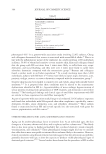
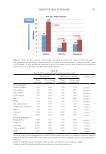
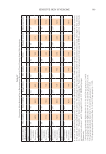
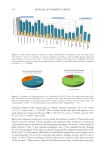
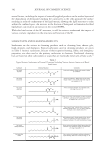
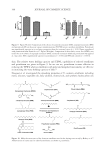
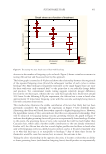
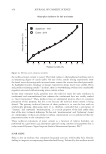
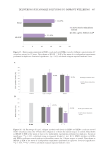
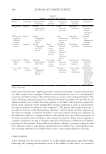
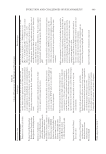
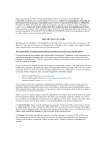
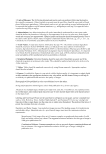
list of emollients used in the study and the correlation between drying stress reduction and
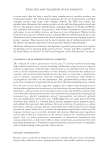
the volume of penetration of the emollient are shown in Figures 10 and 11, respectively.95
This study provides a rational basis for selecting emollients. Additional factors such as skin
feel and spreadability will also be factors in the choice of emollients. In separate studies
using the same methodology, Levi et al. have shown that glycerin and petrolatum also
reduce drying stress.97 In contrast, treatment with a harsh surfactant such as SDS has been
shown to increase the drying stress.97
LIPIDS
Bilayer lipids such as fatty acids, ceramides and sterol are reduced in skin under compromised
conditions such as dry skin,98 aging skin,99 and atopic skin.100 The hypothesis is that while
the traditional moisturizers with humectants, emollients, and occlusives can reduce the
water loss, the use of lipids may provide enhanced benefits by restoring the natural barrier
through replenishing the lost lipids. Use of these lipids and the mechanisms by which they
may restore the barrier is briefly reviewed below.
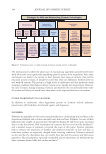
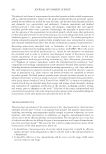
Lipids in skincare can be broadly classified into physiological lipids such as ceramides, fatty
acids, and cholesterol, as well as nonphysiological lipids such as vegetable oils and a wide
variety of synthetic and natural lipids.
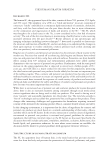
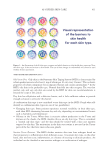
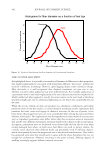
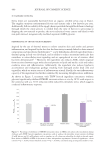
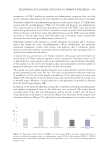
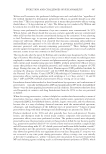
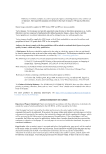
Figure 11. Emollient penetration volume into SC in in-vitro tests vs peak drying stress reduction after
treatment with the emollient. Figures reproduced with permission from Berkey et al.95
on vitro-skin, and showed that viscosity is the main factor in determining the spreading
rate of emollients, followed by surface tension and density.69
Berkey et al. have recently investigated the structure-function relationship governing the
performance of a range of 14 emollients by measuring drying stress on ex vivo skin after
application of the emollient.95 Their results show that the ability of the emollient to reduce
skin drying stress is dependent upon its ability to penetrate the SC and replace water, which
in turn is dependent on the molecular weight, diffusivity, and viscosity of the emollient. A
list of emollients used in the study and the correlation between drying stress reduction and
the volume of penetration of the emollient are shown in Figures 10 and 11, respectively.95
This study provides a rational basis for selecting emollients. Additional factors such as skin
feel and spreadability will also be factors in the choice of emollients. In separate studies
using the same methodology, Levi et al. have shown that glycerin and petrolatum also
reduce drying stress.97 In contrast, treatment with a harsh surfactant such as SDS has been
shown to increase the drying stress.97
LIPIDS
Bilayer lipids such as fatty acids, ceramides and sterol are reduced in skin under compromised
conditions such as dry skin,98 aging skin,99 and atopic skin.100 The hypothesis is that while
the traditional moisturizers with humectants, emollients, and occlusives can reduce the
water loss, the use of lipids may provide enhanced benefits by restoring the natural barrier
through replenishing the lost lipids. Use of these lipids and the mechanisms by which they
may restore the barrier is briefly reviewed below.
Lipids in skincare can be broadly classified into physiological lipids such as ceramides, fatty
acids, and cholesterol, as well as nonphysiological lipids such as vegetable oils and a wide
variety of synthetic and natural lipids.
Figure 11. Emollient penetration volume into SC in in-vitro tests vs peak drying stress reduction after
treatment with the emollient. Figures reproduced with permission from Berkey et al.95