409 AI-Guided Skin Care
patterns from multiple elements, the STS algorithms synthesize numerous precisely
defined data points, generating a science-based, custom skin care regimen and personalized
educational content. This tailored approach culminates in quantifiable improvements in
skin health and reproducible positive outcomes.
IMPORTANCE OF CORRECT SKIN TYPE DIAGNOSIS
At the core of efficacious personalized skin care is accurate skin type diagnosis. In the realms
of machine learning and AI, the adage “garbage in, garbage out” holds true. Feeding an AI
system inaccurate skin type data will result in suboptimal product recommendations, lead
to incorrect advice, and possibly adversely affect skin health.2 With a live dermatologist
consult to diagnose skin type, other options to identify skin type include questionnaires,
imaging, and bioinstrumentation.
SKIN CARE QUIZ
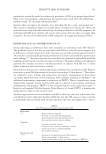
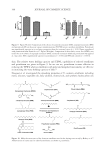
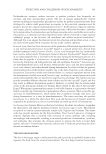
The BSTI3,4 was developed and validated at the University of Miami between 2004 and
2010 using skin bioengineering devices such as the sebometer, tewameter, and mexameter.
This science-based skin type questionnaire is the only valid skin type test5 and is a
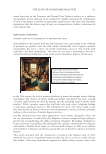
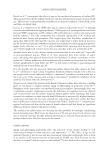
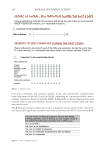
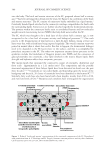
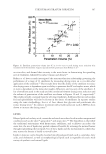
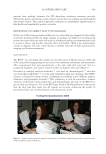
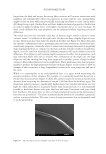
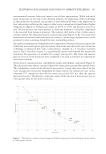
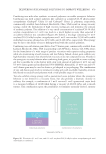
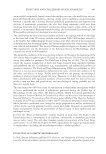
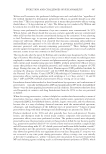
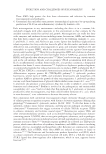
recognized diagnostic tool used in research studies to diagnose skin type (Figure 1).
Described in multiple medical textbooks6–11 and used by dermatologists12–14 and skin
care researchers worldwide,15–20 it is the gold standard in skin type diagnosis. The BSTI’s
accuracy is backed by various studies, confirming its reliability across different genders,
ethnicities, and geographic locations.21 This consistency is vital for researchers, cosmetic
chemists, aestheticians, medical providers, and dermatologists who rely on the BSTI for a
precise skin type diagnosis. Use of the BSTI quiz found at SkinTypeSolutions.com ensures
that the skin type data input into AI systems are accurate, enhancing the quality of
personalized skin care recommendations and educational content.
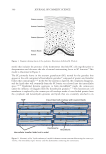
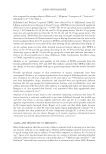
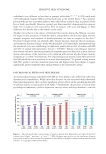
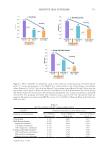
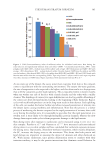
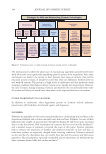
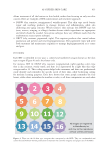
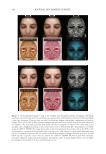
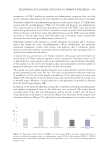
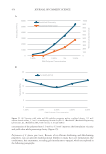
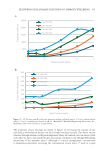
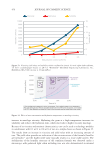
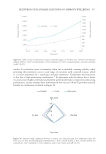
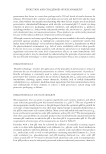
Figure 1. Author testing and perfecting the questionnaire in 2004 on dermatology patients at the University
of Miami Miller School of Medicine.
patterns from multiple elements, the STS algorithms synthesize numerous precisely
defined data points, generating a science-based, custom skin care regimen and personalized
educational content. This tailored approach culminates in quantifiable improvements in
skin health and reproducible positive outcomes.
IMPORTANCE OF CORRECT SKIN TYPE DIAGNOSIS
At the core of efficacious personalized skin care is accurate skin type diagnosis. In the realms
of machine learning and AI, the adage “garbage in, garbage out” holds true. Feeding an AI
system inaccurate skin type data will result in suboptimal product recommendations, lead
to incorrect advice, and possibly adversely affect skin health.2 With a live dermatologist
consult to diagnose skin type, other options to identify skin type include questionnaires,
imaging, and bioinstrumentation.
SKIN CARE QUIZ
The BSTI3,4 was developed and validated at the University of Miami between 2004 and
2010 using skin bioengineering devices such as the sebometer, tewameter, and mexameter.
This science-based skin type questionnaire is the only valid skin type test5 and is a
recognized diagnostic tool used in research studies to diagnose skin type (Figure 1).
Described in multiple medical textbooks6–11 and used by dermatologists12–14 and skin
care researchers worldwide,15–20 it is the gold standard in skin type diagnosis. The BSTI’s
accuracy is backed by various studies, confirming its reliability across different genders,
ethnicities, and geographic locations.21 This consistency is vital for researchers, cosmetic
chemists, aestheticians, medical providers, and dermatologists who rely on the BSTI for a
precise skin type diagnosis. Use of the BSTI quiz found at SkinTypeSolutions.com ensures
that the skin type data input into AI systems are accurate, enhancing the quality of
personalized skin care recommendations and educational content.
Figure 1. Author testing and perfecting the questionnaire in 2004 on dermatology patients at the University
of Miami Miller School of Medicine.