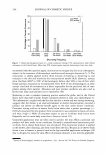
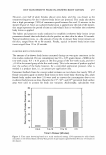
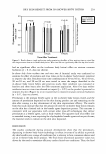
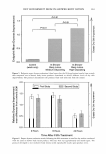
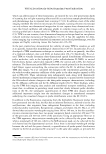
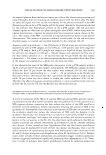
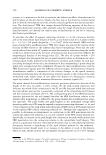
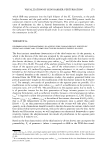
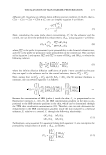
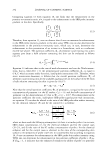
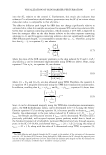
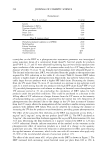
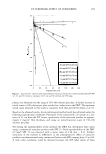
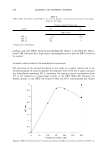
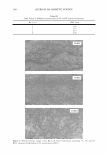
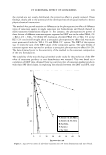
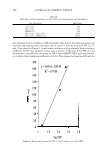
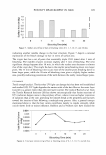
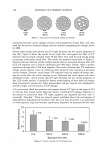
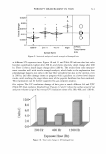
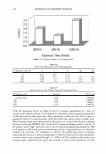
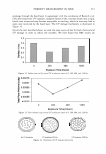
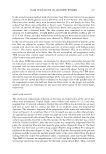
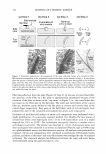
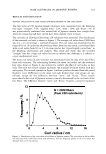
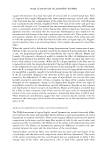
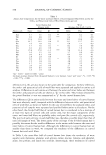
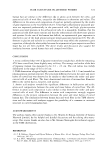
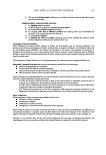
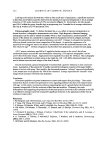
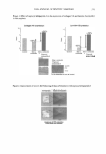
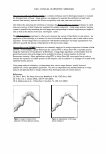
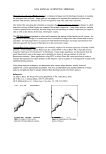
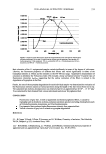
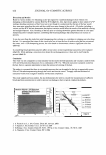
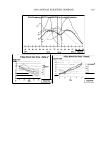
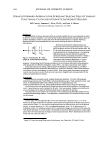
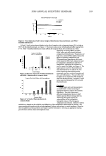
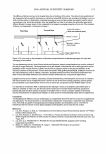
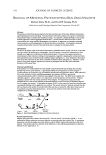
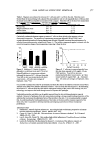
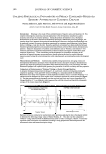
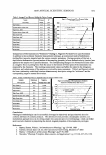
2008 ANNUAL SCIENTIFIC SEMINAR Table 1. Magnets can enhance the removal of C. albicans and E. coli from the skin. Microbes were blotted from the skin utilizing with a plastic film (non-adhesive side of a D-Squame® disc) or fibrous sheet (Kimtech Science® Kimwipes®) in association with a magnet. Microbes left on the skin were enumerated by an enzyme linked immunoassay. All values are averages of triplicates,± SD. Treatment % Removal C. albicans % Removal E. coli Plastic Film 23 ± 10 I± 1 Magnet and Plastic Film 64 ± IO 7 ± 1 Fibrous Sheet 67 ± 6 12 ± 7 Magnet and Fibrous Sheet 77 ± 9 29 ± 2 Cationically enhanced substrates appear to remove C. albicans from skin by what appears to be an electrostatic interaction. The presence of a quaternary ammonium debonder (Witco C6001) and octadecyldimethyltrimethoxyl-silpropylammonium chloride (Silgard®) increased the performance of a cellulose tissue and nonwoven, respectively (Figure 2). The cationic compounds appear to interact with the overall net negative charge of microorganisms, removing it from the skin. 100 80 "ffi � 60 E 0::: 40 '?ft. 20 O Untreated Treated Untreated Treated Tissue Tissue Nonwoven Nonwoven Figure 2. Addition of 15 kg/mt of cationic debonder to a cellulose tissue and 0.7% (w/w) Silgard® addition to a nonwoven substrate increased the removal of C. albicans from skin. Yeast left on skin was enumerated with direct visual counts. All values are averages of triplicates. Bars = SD. 1000 10 +--,---,---�--r--r--,-- 0 10 20 30 40 50 60 Contact Time (min) Figure 3. C. albicans is removed quickly from the skin when exposed to 0.25 mg/ml, 3-4 µm CMC particles. Yeast left on skin was enumerated with direct visual counts. ■ = Skin treated with 0.25 mg/ml CMC. A = Untreated skin. All values are averages of triplicates. Bars =SD. It is possible to enhance the removal of attached yeast from the skin by the addition of anionic micro-fibers. Anionic micro-fibers were found to efficiently release C. albicans from the skin (Figure 3). By facilitating the release of C. albicans from the skin and the subsequent binding of the yeast to the cleaning web, this technology can improve skin health though control of a potent skin pathogen. Undesirable microbes and debris can be gently removed from the skin utilizing alternative removal methods. Removal of pathogens from skin necessitate providing a strong enough binding interaction of the substrate that overcomes the adherence force of the microbe to the skin. It is not unreasonable to suspect that, by understanding the binding phenomena of microbes on the skin and the energies required to free these cells, that it is possible to develop materials and cleaning system that will have exceptional performance. Literature Cited I. Dethlefsen L, McFall-Ngai M, Reiman DA. An ecological and evolutionary perspective on human microbe mutualism and disease. Nature. 449:811-818. 2007. 2. Cogen AL, Nizet V, Gallo RL. Skin microbiota: A source of disease or defence? Br J Dermatol. 158(3):442-455. 2008. 3. Law S, Fotos PG, Wertz PW. Skin surface lipids inhibit adherence of Candida albicans to stratum comeum. Dermatology. 195(3):220-223. 1997. 4. Leclerc B, Fairbrother JM, Boulianne M, Messier S. Evaluation of the adhesive capacity of Escherichia coli isolates associated with avian cellulitis. Avian Dis. 47(1):21-31. 2003. 377

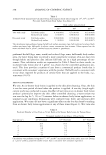
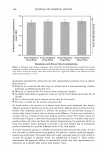
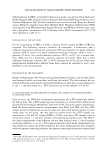
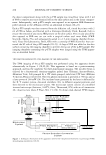
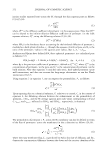
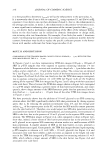
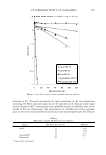
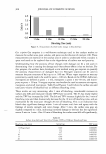
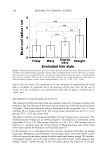
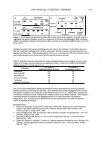
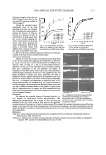
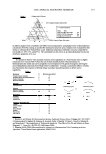
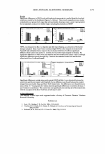
378 JOURNAL OF COSMETIC SCIENCE BARRIER REPAIR AF TER TAPE STRIPPING: EFFECTS OF SEMI-PERMEABLE MEMBRANES ON THE NATURAL MOISTURIZING FACTOR OF THE SKIN (NMF) Marisa H. Robinson1, Marty Visscher2, Ph.D. and R. Randall Wickett1, Ph.D. 1 University of Cincinnati College of Pharmacy 2 The Skin Sciences Institute, Cincinnati Children's Hospital Medical Center, Cincinnati, OH Introduction Semi-permeable wound dressings facilitate skin barrier recovery for superficial wounds, e.g., tape stripping. Varying humidity levels, such as those produced by semi-permeable dressings, are known to influence conversion offilaggrin into NMF(l). This study examined the relationship between these two known issues in skin health. The skin barrier was damaged in a controlled fashion by tape stripping to four times the baseline TEWL. The skin barrier recovery under varying humidity created by membranes of varying permeabilities was measured by biophysical methods (TEWL, rate of moisture accumulation [MAT], visual grading), as previously described (2). After 5 days ,skin surface samples were collected (D-Squames®) from all test sites for measurement ofNMF levels using our previously reported method(3). Materials and Methods Analytical Method: A D-Squarne® adhesive disc is removed from the skin and placed in a microcentrifuge tube with 300 µL of 6 mM perchloric acid and IO µL of 2 µmol/mL AABA. After 3 hours at room temperature, the liquid extract is transferred, and the D-Squame® is retained for protein analysis (Pierce BCA). 20 µL of the extract, 30 µL of borate buffer and 10 µL of Waters AccQ-Fluor derivatizing reagent arc placed in a HPLC microvial and vortexed for 5 seconds. Amino acid analyses are performed on a 15 cm C-18 reversed-phase column at 40° C under gradient conditions, with a run time of 40 minutes. Peaks are eluted in order of increasing hydrophobicity. Fluorescence detection is used with excitation at 250 nm and emission at 395 nm. Experimental Method: Fifteen volunteers with normal forearm skin were enrolled and 3 sites per arm were marked. Baseline biophysical measurements (MAT, TEWL) and visual grades for redness and dryness were made after a twenty-minute acclimation period. The skin barrier was tape stripped to four times the baseline TEWL, and measurements were repeated. The skin was treated with membranes of varying water vapor permeability and hydration (Table I). Subjects returned on days 3 and 5 for measurements and fresh treatment application. 15 D Squames® were taken sequentially on each site following measurement on day 5. During bathing, the forearms were protected from water for the duration of the study. Table I Stripping Treatment Permeability No No --- No Vigilon® 0%/wet Yes No l 00%, no occlusion Yes Saran® 0%, complete occlusion Yes Vigilon® 0%/wet Yes Gore-Tex® semipermeable
Purchased for the exclusive use of nofirst nolast (unknown)
From: SCC Media Library & Resource Center (library.scconline.org)