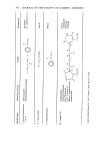
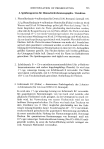
J. Soc. Cosmetic. Chem., 28, 521-532 (September 1977) The effect of detergents on swelling of stratum corneum GERALD J. PUTTERMAN, • NANCY F. WOLEJSZA, MARIA A. WOLFRAM, and KARL LADEN q• Gillette Research Institute, 1413 Research Boulevard, Rockville, MD 20850. Received October 6, 1976 Synopsis Several surfactants were tested for their ability to produce in-plane SWELLING (increase surface area) of squares of GUINEA PIG STRATUM CORNEUM. Highest levels of swelling were observed with the anionic surfactants sodium laurate and sodium lauryl sulfate, while little or no swelling was observed with the few cationic and nonionic surfactants examined. Although swelling in laurate was shown to be reversible, work index measurements revealed an irreversible weakening of the tissues. To gain insight into the mechanism of swelling the effects of protein denaturants and delipidizing agents were also evaluated. We conclude that protein denaturants, per se, do not cause stratum corneum swelling, but that swelling is due to a reversible conformation change resulting from cooperative binding of the detergent. Stratum corneum swell- ing could be of value for studying detergent-skin interactions and for predicting detergent penetration of skin and possible subsequent skin irritancy. INTRODUCTION Among the properties of skin which have been shown to be altered by detergent treat- ment are its permeability, extractability of amino acids and Folin-Ciocalteu positive material (protein) and liberation of reactive sulfhydryl groups (1). In terms of dimen- sional changes Choman (2) observed increases in the thickness of epidermis-free calf skin and human abdominal skin which were produced by treatment with sodium alkyl sulfates of different chain lengths and concluded that sodium lauryl sulfate produced the greatest increase. In order for swelling to occur a concentration near or above the critical micelle concentration (CMC) of each alkyl sulfate was required. In their ul- trastructural study of the action of 1 per cent sodium lauryl sulfate on rat skin Tovell and coworkers (3) noted a marked thickening of the epidermis and stratum corneum resulting from treatment with the detergent. Scheuplein and Ross (4) soaked stratum corneum in 5 per cent sodium laurate for 24 h and observed a visible expansion in the plane of the tissue. These authors also noted that Von G6tte (5) had previously observed an expansion of isolated epidermis after *Present Address: Frederick's Cancer Research Center, P.O. Box B, Frederick, MD 21701. -•Present Address: Carter Products, Division of Carter-Wallace, Inc., Half Acre Road, Cranbury, NJ 08512. 521

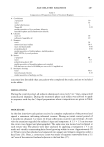
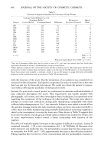
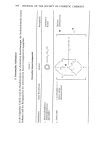
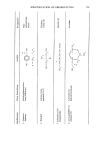
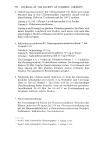
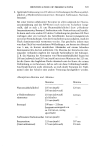
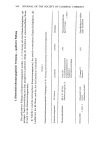
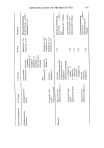
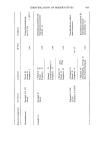
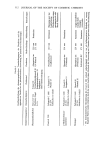
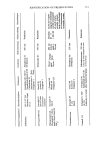
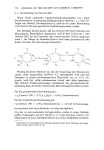
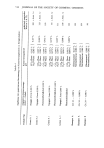
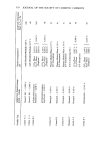
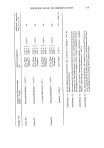
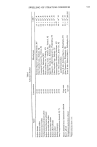
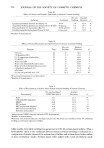
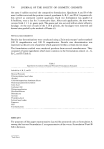
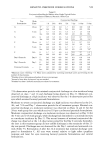
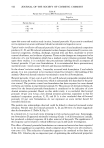
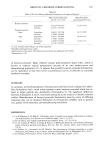
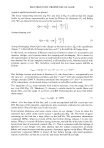
522 JOURNAL OF THE SOCIETY OF COSMETIC CHEMISTS treatment with anioni½ detergents. Since the measurement of surface area would be a convenient means of evaluating stratum corneum-detergent interactions, we have utilized the method to confirm the results for sodium laurate (4) and examine other de- tergents. To gain an insight into the mechanism of this swelling phenomenon we have also determined the effect of other agents known to interact with protein or lipid on stratum corneum surface area and have evaluated the effect of sodium laurate on a rheological property of stratum corneum. MATERIALS Stratum comeurn was obtained from Hartley guinea pigs. Excised, epilated • skin was exposed to ammonia vapor (6). The sheets were air dried and stored under ambient conditions. Analytical grade reagents were used without further purification. These included urea, guanidine hydrochloride, dimethylsulfoxide, formic acid, ammonium thioglycollate, dithiothreitol, lithium bromide, N-methyl-2-pyrrolidone, chloroform, methanol, and ethyl ether. The sources of surfactants used in this work are listed in Table I. METHODS IN-PLANE SWELLING Squares of stratum corneum 20 x 20 mm were soaked in water for 1 h. The squares were lifted out of the water on plastic screens and their dimensions were determined with a ruler calibrated in millimeters. The squares were then immersed in the appro- priate solution for 16 h after which they were removed on plastic screening, and their dimensions were again determined. Swelling is expressed as the percent change in area after exposure to the second solution as compared to the first solvent, water. MECHANICAL TESTING OF STRATUM CORNEUM Strips of stratum comeurn, prepared according to procedures previously described (7), were immersed in water for 4 h and stretched 5 per cent of their original length. After relaxation they were exposed to a test material for 1 h, followed by transfer to water and a second stretching after 4 h. The results are expressed in terms of a work index (7) where: work required to stretch strip after treatment work index = work required to stretch strip before treatment STRATUM CORNEUM MODIFICATION 1. Ox/c/at/on.' Performic acid was prepared by combining 9 parts of concentrated formic acid (98 per cent) with 1 part hydrogen peroxide (30 per cent) and letting the mixture stand for 2 h at room temperature. The performic acid was diluted 1:5 with water just before using on stratum corneum in a bath ratio of 100:1 at 15-20øC for 30 min. The stratum corneum was rinsed well in aleionized water. An 88 per cent oxida- ½Zip Wax ©, Jean Jordeau Inc., New York.
Purchased for the exclusive use of nofirst nolast (unknown)
From: SCC Media Library & Resource Center (library.scconline.org)