SWELLING OF STRATUM CORNEUM 523 XXXXXXXXX•X X X X ("4 0

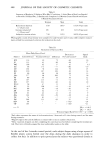
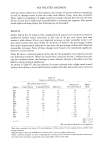
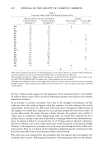
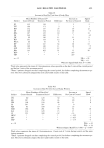
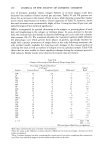
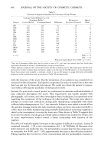
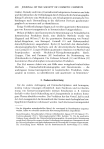
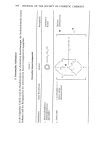
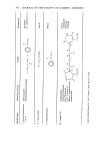
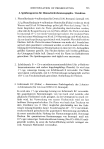
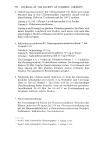
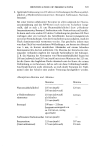
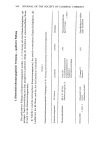
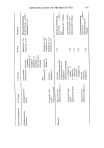
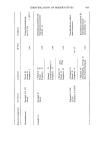
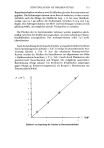
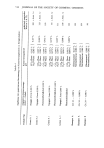
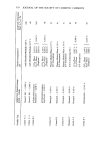
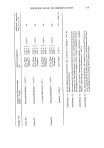
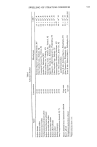
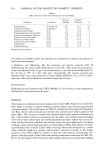
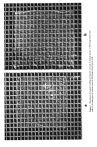
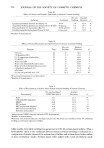
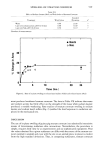
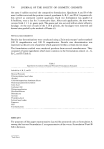
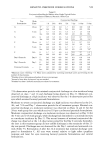
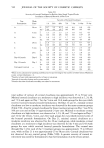
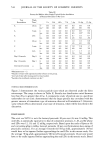
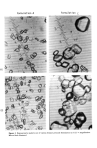
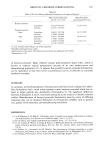
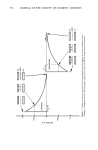
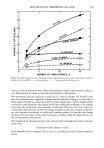
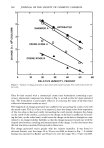
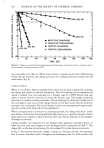
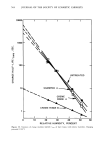
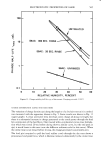
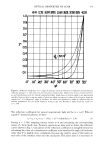
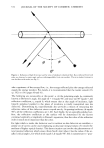
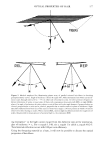
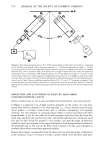
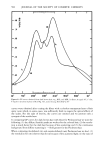
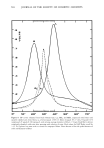
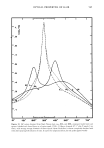
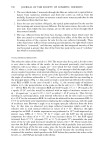
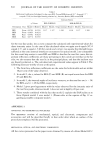
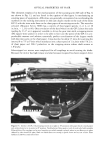
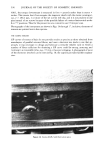
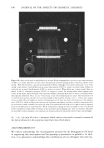
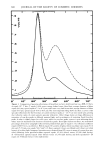
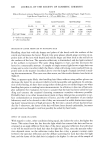
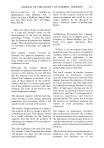
524 JOURNAL OF THE SOCIETY OF COSMETIC CHEMISTS Table II Effect ofAnionic Surfactants on Stratum Corneum Swelling Per cent Standard Surfactant Conditions Swelling Deviation Sodium laurate .05 M, pH 9.8 16.7 -+9.7 37 Sodium lauryl sulfate .05 M, pH 10 13.1 -+3.5 97 Ammonium lauryl sulfate .05 M 9.1 +2.9 4 Triethanolammonium lauryl sulfate .05 M 12.2 -+ 2.3 4 Sodium dodecylbenzene sulfonate .05 M 11.9 -+ 10.8 4 Sodium myristyl ether sulfate .05 M -0.1 -+ 1.4 7 Sodium lauryl ether sulfate .05 M 6.6 +2.9 4 Sodium lauryl triether sulfate .05 M 3.9 -+ 3.8 4 Sodium oleate .05 M 15.1 -+ 7.9 6 So dium hexanoate .05 M 0.0 -+ 0.0 4 aNumber of measurements. tive fission of disulfide bonds was obtained as determined by amino acid analyses of acid hydrolysed samples. 2. Reduction and Alkylation.' For the reduction of stratum corneum 0.02 M dithiothreitol was used at 200:1 bath ratio for 1 h at 39øC. After reduction stratum cor- neum was alkylated with 2.5 per cent acrylonitrile in 1 per cent borate buffer (pH 9.1) for 30 min at 35øC in a 50:1 bath ratio. Alternatively, the stratum corneum was alkylated with 2 per cent iodoacetate in borate buffer (pH 8) for 2 h at 35øC in a 100:1 bath ratio. The reaction flask was evacuated during the reaction. DELIPIDIZATION Delipidization was obtained with CHCla :MeOH(2:1) for 90 min at room temperature followed by 5 rain extraction with water. RESULTS Several anionic surfactants at concentrations above their CMC (Table I) were tested for their ability to produce in-plane swelling (increase surface area) of guinea pig stratum corneum squares. The results given in Table II confirm the observation of Scheuplein and Ross (4) for sodium laurate and indicate that sodium lauryl sulfate produces the same effect. The increase in surface area obtained with sodium laurate is illustrated in Fig. 1. The sodium cation is not necessary for the effect since similar levels of swelling were found when ammonium and triethanolammonium lauryl sulfate were used. So- dium dodecyl benzene sulfonate and sodium oleate also gave high levels of in-plane swelling, while sodium hexanoate gave no measurable swelling. This absence of swell- ing with hexanoate could be a direct effect of using a short chain molecule (i.e., a short chain molecule might not interact with stratum corneum as readily as the longer laurate) or the effect might be indirect in that the concentration of hexanoate em- ployed, although equal to that of the other anionic surfactants, was below its CMC (Ta- ble I). (In this regard, 0.005 M sodium lauryl sulfate produced no measurable swelling
Purchased for the exclusive use of nofirst nolast (unknown)
From: SCC Media Library & Resource Center (library.scconline.org)