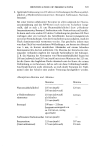
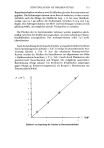
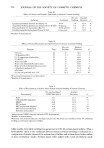
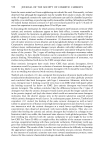
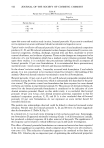
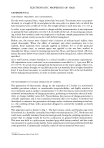
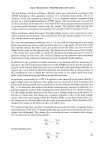
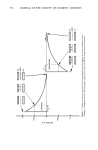
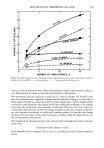
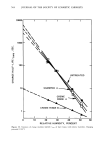
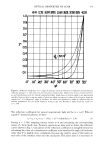
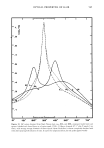
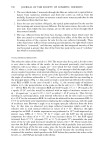
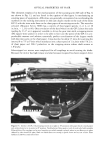
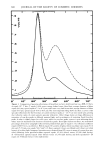
ELECTROSTATIC PROPERTIES OF HAIR 559 '"" 5 o o x 0 3 [ 2 I I I '('Y' / HARD RUBBER....-_--r"i-- • • •-' ALUMINUM I I I 0 5 10 15 NUMBER OF COMB STROKES N Figure 6. Charge Q generated by combing hair tresses with N manual comb strokes, with various comb ma- terials, at 50 per cent RH ( ) untreated hair ( ...... ) hair treated with creme rinse A with an eventual saturation level. When an aluminum comb is used, however, there is very little increase in charge on the hair with successive comb strokes. We hypothesize that the conductive comb acts as a sink for charges. On the first comb pass, the comb becomes negatively charged the hair positively charged. As the comb is passed again through successive increments of the charged hair, mobile charges on the conductive comb neutralize the charge on the hair, which then recharges to its original level when the comb leaves each increment of the hair. This does not occur with non- conducting combs because of their low charge mobility in this case, charges on the hair are only partially neutralized on additional combing strokes, so that the total charge increases with each pass of the comb. Saturation is reached when the charge density on the comb reaches a certain level. The magnitude of charge generated with various comb materials was found to increase in the order aluminum • hard rubber nylon at all humidity levels examined (20 to 50 per cent RH) and with all hair treatments tested.

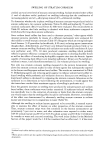
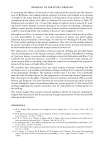
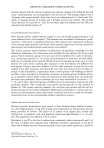
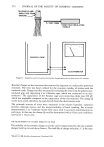
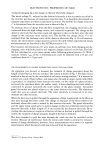
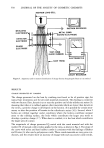
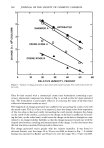
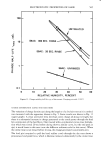
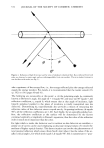
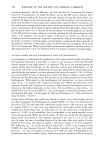
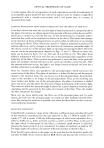
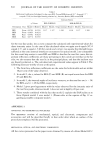
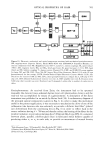
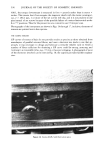
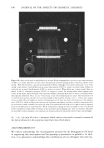
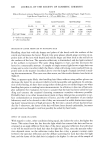
560 JOURNAL OF THE SOCIETY OF COSMETIC CHEMISTS m 3- 2- 1- SHAMPOO A UNTREATED o CREME R _ CREME RI 0 10 20 30 40 50 60 RELATIVE HUMIDITY, PERCENT Figure 7. Variation of charge generated on hair tresses with relative humidity. Five comb strokes, hard rub- ber comb Data for hair treated with a commercial creme rinse formulation containing a qua- ternary ammonium compound are shown in Fig. 6, as well as data for clean untreated hair. The formulation is particularly effective in reducing the value of Q when hard rubber and aluminum combs are used. The magnitude of charge generated was unaffected by grounding the comb, even with the metal comb. This is, in fact, to be expected, since the charge arises from separation of the two objects (hair and comb). Grounding the comb merely dissipates the charge on the comb (if the comb is a conductor) the charge on the hair is unaffected. Ground- ing the hair, on the other hand, would cause the charge on the hair to dissipate at a rate related to its charge mobility half-life, so that the charge measured would vary with the elapsed time between combing and measurement of the charge. It is for this reason that the hair was always insulated from ground in these tests. The charge generated varies greatly with the relative humidity. It was found to decrease linearly over the range 20 to 50 per cent RH, as shown in Fig. 7. A similar finding was reported by Barber and Posner (6) over the range 30 to 70 per cent RH.
Purchased for the exclusive use of nofirst nolast (unknown)
From: SCC Media Library & Resource Center (library.scconline.org)