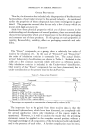
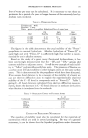
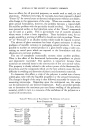
CLINICAL DISTURBANCES IN SWEATING 17.5 (4) Shelley, W. B., and Cahn, M. M., "The Effect of Topical Antibiotic Agents Upon Axillary Odor," 2 t. .4m. Med..4ssoc., 159, 1736 (1955). (5) Shelley, W. B., and Hurley, H. J., Jr., "Methods of Exploring Human Apocrine Sweat Gland Physiology," .4rch. Dermatol. and Syphilol., 66, 156 (1952). (6) Shelley, W. B., and Hurley, H. J., Jr., "The Physiology of the Human Axillary Apocrine Sweat Gland," 2 t. Investigative Dermatol., 20, 285 (1953). (7) Hurley, H. J., Jr., and Shelley, W. B., "The Role of the Myoepithelium of the Human Apocrine Sweat Gland," 2 t. Investigative Dermatol., 22, 143 (1954). (8) Hurley, H. J., Jr., and Shelley, W. B., "The Human Apocrine Sweat Gland: Two Secre~ tions?" Brit. y. Dermatol., 66, 43 (1954). (9) Nitta, H., and Ikai, K., "Studies on the Body Odor. I. Separation of the Lower Fatty Acids of the Cutaneous Excretion by Paper Chromatography," Nagoya Med. 2t., 1, 217 (1953). (10) Ikai, K., "Deodorizing Experiments with Ion Exchange Resins," 7. Investigative DermatoL [ 23, 411 (1954). (11) Ferguson, E. H., "A Note on Axillary Odor," Ibid., 24, 567 (1955). (12) Ikai, K., personal communication. (13) Baer, R. L., and Rosenthal, S. A., "The Germicidal Action on Human Skin of Soap Con- taining Tetramethylthiuram Disulfide," •7. Investigative Dermatol., 23, 193 (1954). (14) Shelley, W. B., and Levy, E. J., "Fox-Fordyce Disease: Apocrine Miliaria," Atrch. Dermatol. and Syphilol., 73, 38 (1956). THE CLINICAL SIGNIFICANCE OF DISTURBANCES IN SWEATING* By M^•o, B. SULZBERGER, M.D. Department of Dermatology and •yphi/ology, New York University-Bellevue Medical Center, New York, N.Y. DISTUP. B^NCES IN SWEATING are of large number and great variety, and can be caused by combinations of many different mechanisms. Modern studies have shown that it is imperative to distinguish sharply between alterations in the true secretory process (i.e., in the secretion or actual "manufacture" of the sweat), and those based on faults in its propulsion, ejection and delivery to the skin's surface. On close consideration still a third category of disturbances becomes apparent, namely those which take place in and to the sweat after it has reached the skin's surface--and which, for example, concern its spread, its admixture with dead products and living agents, etc. You will undoubt- edly hear something new about the infection of surface sweat from Shelley. Even a cursory discussion of the multitudinous types of disturbances and their manifold clinical consequences would fill a book. They include the almost purely quantitative alterations--such as hyperhidrosis and an- or kvpohidrosis and the changes in quality--such as chromidrosis (colored sweat) and bromidrosis (odoriferous sweat). * Presented at the September 15-16, 1955, Seminar, New York City.

CLINICAL DISTURBANCES IN SWEATING 17.5 (4) Shelley, W. B., and Cahn, M. M., "The Effect of Topical Antibiotic Agents Upon Axillary Odor," 2 t. .4m. Med..4ssoc., 159, 1736 (1955). (5) Shelley, W. B., and Hurley, H. J., Jr., "Methods of Exploring Human Apocrine Sweat Gland Physiology," .4rch. Dermatol. and Syphilol., 66, 156 (1952). (6) Shelley, W. B., and Hurley, H. J., Jr., "The Physiology of the Human Axillary Apocrine Sweat Gland," 2 t. Investigative Dermatol., 20, 285 (1953). (7) Hurley, H. J., Jr., and Shelley, W. B., "The Role of the Myoepithelium of the Human Apocrine Sweat Gland," 2 t. Investigative Dermatol., 22, 143 (1954). (8) Hurley, H. J., Jr., and Shelley, W. B., "The Human Apocrine Sweat Gland: Two Secre~ tions?" Brit. y. Dermatol., 66, 43 (1954). (9) Nitta, H., and Ikai, K., "Studies on the Body Odor. I. Separation of the Lower Fatty Acids of the Cutaneous Excretion by Paper Chromatography," Nagoya Med. 2t., 1, 217 (1953). (10) Ikai, K., "Deodorizing Experiments with Ion Exchange Resins," 7. Investigative DermatoL [ 23, 411 (1954). (11) Ferguson, E. H., "A Note on Axillary Odor," Ibid., 24, 567 (1955). (12) Ikai, K., personal communication. (13) Baer, R. L., and Rosenthal, S. A., "The Germicidal Action on Human Skin of Soap Con- taining Tetramethylthiuram Disulfide," •7. Investigative Dermatol., 23, 193 (1954). (14) Shelley, W. B., and Levy, E. J., "Fox-Fordyce Disease: Apocrine Miliaria," Atrch. Dermatol. and Syphilol., 73, 38 (1956). THE CLINICAL SIGNIFICANCE OF DISTURBANCES IN SWEATING* By M^•o, B. SULZBERGER, M.D. Department of Dermatology and •yphi/ology, New York University-Bellevue Medical Center, New York, N.Y. DISTUP. B^NCES IN SWEATING are of large number and great variety, and can be caused by combinations of many different mechanisms. Modern studies have shown that it is imperative to distinguish sharply between alterations in the true secretory process (i.e., in the secretion or actual "manufacture" of the sweat), and those based on faults in its propulsion, ejection and delivery to the skin's surface. On close consideration still a third category of disturbances becomes apparent, namely those which take place in and to the sweat after it has reached the skin's surface--and which, for example, concern its spread, its admixture with dead products and living agents, etc. You will undoubt- edly hear something new about the infection of surface sweat from Shelley. Even a cursory discussion of the multitudinous types of disturbances and their manifold clinical consequences would fill a book. They include the almost purely quantitative alterations--such as hyperhidrosis and an- or kvpohidrosis and the changes in quality--such as chromidrosis (colored sweat) and bromidrosis (odoriferous sweat). * Presented at the September 15-16, 1955, Seminar, New York City.
Purchased for the exclusive use of nofirst nolast (unknown)
From: SCC Media Library & Resource Center (library.scconline.org)