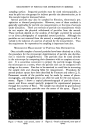
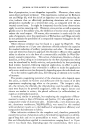
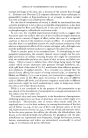
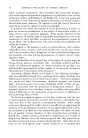
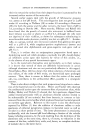
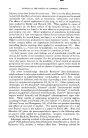
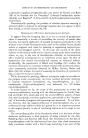
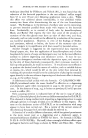
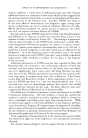
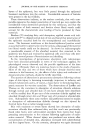
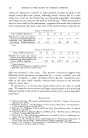
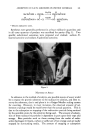
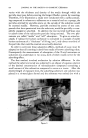
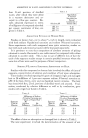
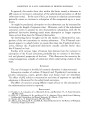
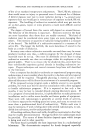
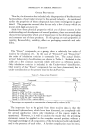
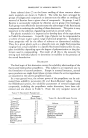
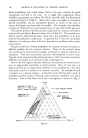
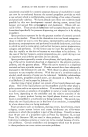
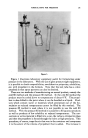
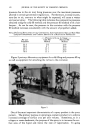
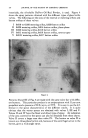
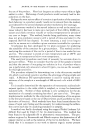
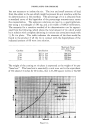
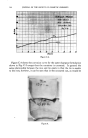
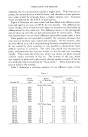
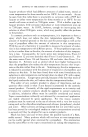
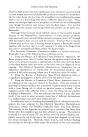
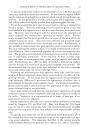
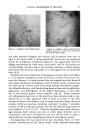
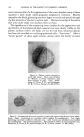
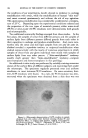
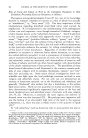
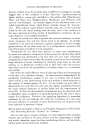
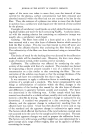
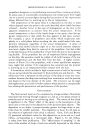
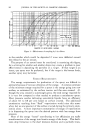
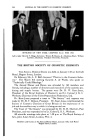
154 JOURNAL OF 'I•HE SOCIETY OF COSME'I•IC CHEMISTS insecticide, the oil-soluble DuPont Oil Red Powder, is used. Figure 4 shows the spray patterns obtained with five different types of glass bottle valves. The following are the sizes of the internal or metering orifices and button orifices of these valves: I 0.010 X 0.010 metering orifice, 0.020 button orifice II 0.020 metering orifice, 0.016 button orifice, .three-phase III 0.020 metering orifice, 0.018 button orifice IV 0.013 metering orifice, 0.018 button orifice, reverse taper V 0.0135 metering orifice, 0.017 button orifice Figure 4. Patterns II and III of Fig. 4 are made with the same valve but with differ- ent buttons. This particular product is an antiperspirant with 35 per cent propellent and a pressure of 20 lb/sq.in. at 70øF. It is easy to see the dif- ference in the spray characteristics of the different valves. It is quite obvious that the wetter sprays are obtained with valves I, III and V. Valves II and IV have the finest and driest type of spray. An indication of the area covered by the spray can also be obtained from these charts. Valve II covers a larger area than valve IV. The button on valve II is known as a three-phase button and, because of the centrifugal action in the button, gives a wide-angle spray.

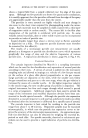
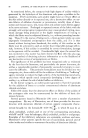
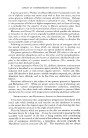
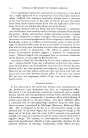
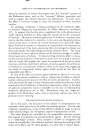
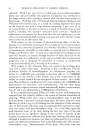
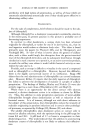
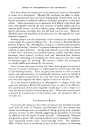
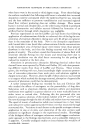
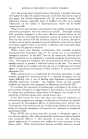
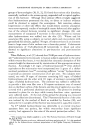
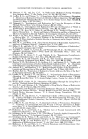
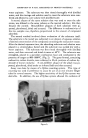
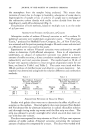
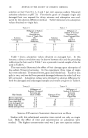
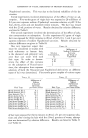
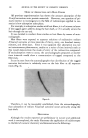
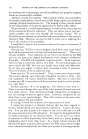
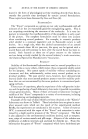
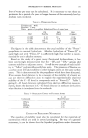
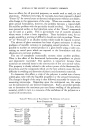
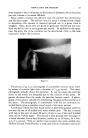
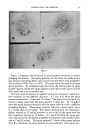
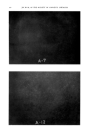
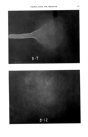
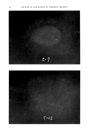
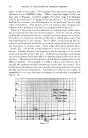
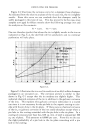
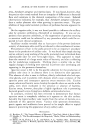
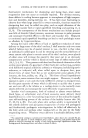
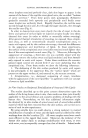
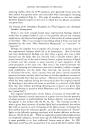
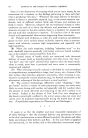
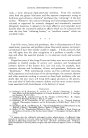
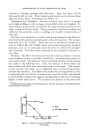
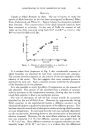
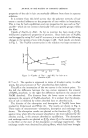
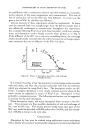
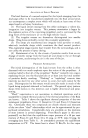
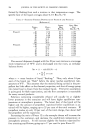
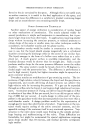
FORMULATING FOR PRESSURE 155 Figure 5. Figure 5 illustrates the variations in spray patterns obtained by merely changing the button. The spray patterns on this chart are made with a hair lacquer containing 30 per cent concentrate and 70 per cent propellent. The pressure is 20 lb./sq.in. at 70øF. The same valve was used for all three spray patterns. As evidenced from the chart, the button used on spray pattern A gives a fairly wet spray, B gives a drier spray and C gives an even drier spray but covers a smaller area. The next series of pictures in negative shows the variation in spray pat- tern obtained at two different distances. A-7 and A-12 show the spray patterns obtained at 7 inches and 12 inches. The area covered at both dis- tances is about equal and the spray pattern is quite dry. B-7 and B-12 show the spray patterns obtained with the same valve but with a different propellent mixture. These spray patterns indicate a much wetter spray at 7 inches than at 12 inches. The spray obtained with the second pro- pellent mixture at 12 inches, however, is not so dry as the spray with the first propellent mixture at 12 inches. C-7 and C-12 show the spray pat- terns obtained with the second propellent mixture but with another valve, also at 7 and 12 inches. The spray pattern C-7 shows a finer spray pattern than B-7 therefore, the spray pattern can be made finer with a given pro-
Purchased for the exclusive use of nofirst nolast (unknown)
From: SCC Media Library & Resource Center (library.scconline.org)