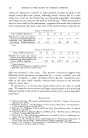
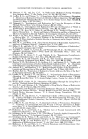
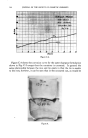
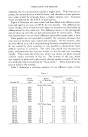
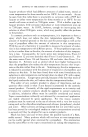
ASPECTS OF ANTIPERSPIRANTS AND DEODORANTS 85 (2) Yeomans, A. H., U.S. Dep. .4gr., •tgr. Research •tdmi,. Bur. EntomoL Plant •uarantine E. T. No. 267 (1949). (3) Goodhue, L. D., Diamond, P. T., and Riley, R. L., U.S. Dep. Corn. O. T. S., P. B. 76015 (1945). (4) May, K. R., 7. Sci. Instruments, 22, 187 (1945). (5) Gucker, F. T., and O'Konski, C. T., 7. Colloid Sci., 4, 541 (1949). (6) Adler, C. R., Mark, A.M., Marshall, W. R., and Parent, R..[., Chem. Eng. Progress, 50, 14 (1954). (7) Hawksley, P. G. W., Blockerr, .[. H., Meyer, E. W., and Fitzsimmons, A. E., Brit. 7. •tppl. Physics, Supplement No. 3, 165 (1954). (8) Fisher, M. A., Katz, S., Lieberman, A., and Alexander, N. E., Third Nat. •tir Poll. Symp., Pasadena, Calif. (1955). (9) Dalla Valle, .[. M., "Micromeritics," 2nd Ed., New York, Pitman Publishing Co. (1947). Herdan, G., "Small Particle Statistics," New York, Elsevier Publishing Co. (1953). CHEMICAL AND BACTERIOLOGICAL ASPECTS OF ANTIPERSPIRANTS AND DEODORANTS* By G. KI^P,M^N, Sc.D. Lehn & Fink, ]%c., New York, Y. Y. By DEFINITION, cosmetic antiperspirants are preparations which inhibit the flow of perspiration, while deodorants suppress the odor of per- spiratory origin. In spite of the wider original meaning of these terms, their current meaning is more limited, viz., with respect to the most impor- tant area of their application which is the axillary or underarm area. How- eve•, this limitation is by no means an absolute one, since deodorants and antiperspirants are applied also in other areas to a major or minor extent. Nor are the presumptive effects of the "antiperspirants" and "deodo- rants" sharply delineated on the contrary, there is overlapping here in that most antiperspirants are also deodorants, while some deodorants have a definite antiperspirant action. While the secretion of moisture, particularly under the arms, may cause a feeling of physical discomfort, this, of itself, would not have supplied the reason for the extensive use of antiperspirants as seen today. Rather, it is the objectionable odor of perspiration which, in the recent past, has ele- vated the use of antiperspirants and deodorants, by women as well as by men, to the position of a routine measure, comparable in its universal prac- tice only to that of bathing or of oral hygiene. Before enlarging upon the malodorous quality of perspiration and the means of its control, reference should be made to the reason for this malo- dot. * Presented at the September 15-16, 1955, Seminar, New York City.

ASPECTS OF ANTIPERSPIRANTS AND DEODORANTS 85 (2) Yeomans, A. H., U.S. Dep. .4gr., •tgr. Research •tdmi,. Bur. EntomoL Plant •uarantine E. T. No. 267 (1949). (3) Goodhue, L. D., Diamond, P. T., and Riley, R. L., U.S. Dep. Corn. O. T. S., P. B. 76015 (1945). (4) May, K. R., 7. Sci. Instruments, 22, 187 (1945). (5) Gucker, F. T., and O'Konski, C. T., 7. Colloid Sci., 4, 541 (1949). (6) Adler, C. R., Mark, A.M., Marshall, W. R., and Parent, R..[., Chem. Eng. Progress, 50, 14 (1954). (7) Hawksley, P. G. W., Blockerr, .[. H., Meyer, E. W., and Fitzsimmons, A. E., Brit. 7. •tppl. Physics, Supplement No. 3, 165 (1954). (8) Fisher, M. A., Katz, S., Lieberman, A., and Alexander, N. E., Third Nat. •tir Poll. Symp., Pasadena, Calif. (1955). (9) Dalla Valle, .[. M., "Micromeritics," 2nd Ed., New York, Pitman Publishing Co. (1947). Herdan, G., "Small Particle Statistics," New York, Elsevier Publishing Co. (1953). CHEMICAL AND BACTERIOLOGICAL ASPECTS OF ANTIPERSPIRANTS AND DEODORANTS* By G. KI^P,M^N, Sc.D. Lehn & Fink, ]%c., New York, Y. Y. By DEFINITION, cosmetic antiperspirants are preparations which inhibit the flow of perspiration, while deodorants suppress the odor of per- spiratory origin. In spite of the wider original meaning of these terms, their current meaning is more limited, viz., with respect to the most impor- tant area of their application which is the axillary or underarm area. How- eve•, this limitation is by no means an absolute one, since deodorants and antiperspirants are applied also in other areas to a major or minor extent. Nor are the presumptive effects of the "antiperspirants" and "deodo- rants" sharply delineated on the contrary, there is overlapping here in that most antiperspirants are also deodorants, while some deodorants have a definite antiperspirant action. While the secretion of moisture, particularly under the arms, may cause a feeling of physical discomfort, this, of itself, would not have supplied the reason for the extensive use of antiperspirants as seen today. Rather, it is the objectionable odor of perspiration which, in the recent past, has ele- vated the use of antiperspirants and deodorants, by women as well as by men, to the position of a routine measure, comparable in its universal prac- tice only to that of bathing or of oral hygiene. Before enlarging upon the malodorous quality of perspiration and the means of its control, reference should be made to the reason for this malo- dot. * Presented at the September 15-16, 1955, Seminar, New York City.
Purchased for the exclusive use of nofirst nolast (unknown)
From: SCC Media Library & Resource Center (library.scconline.org)