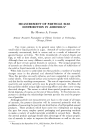
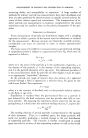
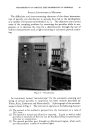
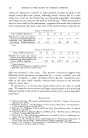
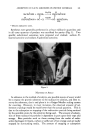
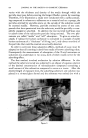
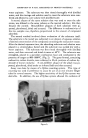
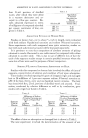
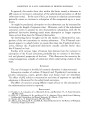
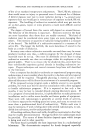
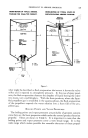
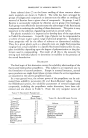
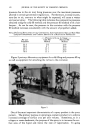
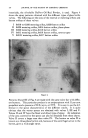
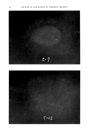
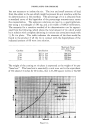
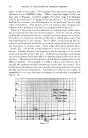
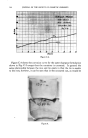
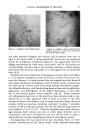
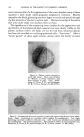
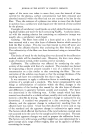
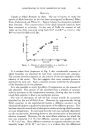
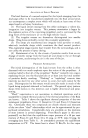
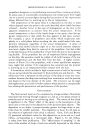
MEASUREMENT OF PARTICLE SIZE DISTRIBUTION IN AEROSOLS 83 SPECIAL INSTRUMENTAL METHODS The difficulties and time-consuming character of the direct determina- tion of particle size distribution in aerosols have led to the development of a number of instrumental methods(5, 6, 7). The objectives are to avoid some of the sampling problems by examining the particles while in sus- pension, or to decrease the time for a determination through the use of indirect measurements such as light scattering or automatic particle count- ing. Figure 3.--Aerosoloscope. An instrument named "aerosoloscope" for the automatic counting and sizing of aerosol particles in suspension has been recently described by Fisher, Katz, Lieberman and Alexander(8). A photograph of the aerosolo- scope is shown in Fig. 3. The instrument operates in the following manner: (1) The aerosol to be studied is pumped into the instrument at a rate of 1.8 1./min. (2) The aerosol is mixed and diluted as required. Liquid as well as solid particles or mixtures of the two can be handled without excessive par- ticle loss or evaporation. (3) The aerosol particles pass through an illuminated region, where each particle produces a pulse of scattered light.

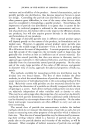
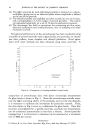
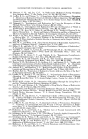
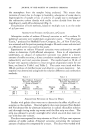
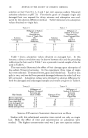
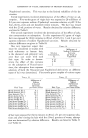
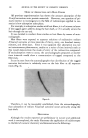
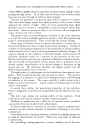
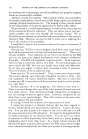
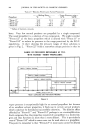
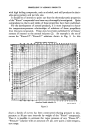
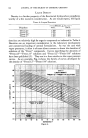
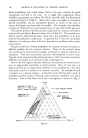
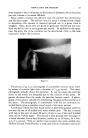
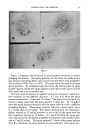
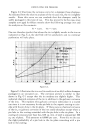
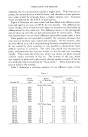
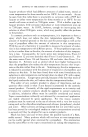
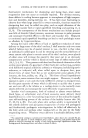
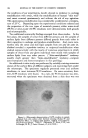
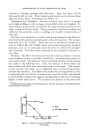
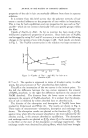
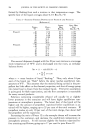
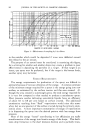
84 JOURNAL OF THE SOCIETY OF COSMETIC CHEMISTS (4) The light scattered by each individual particle is received on a photo- multiplier, giving rise to an electrical pulse whose amplitude is related to the size of the particle. (5) The electrical pulses are amplified and then sorted into one of 12 chan- nels corresponding to 12 size ranges of aerosol particles. The counts are registered separately on a set of 12 electro-mechanical counters. (6) The instrument has built in provisions for monitoring air flow rates, electrical calibration and standardization, time of sampling and other ' necessary controls. The general performance of the aerosoloscope has been evaluated using a number of aerosol materials such as glass beads, iron particles, air cleaner test dust, pollens, water droplets and dibutyl phthalate. Good agree- ment with other methods has been obtained using these materials. A 8O 60 50 40 30 20 % IO _• 8 • 5 4 ß Aeroso[oscope o M•croscope I 5 I0 20 50 70 90 99 Figure 4.--Comparison of counting methods for glass beads. 9 - 4 - 3 - 2 - I comparison of aerosoloscope data with direct microscopic measurement for glass beads is shown in Fig. 4. Since the aerosoloscope actually meas- ures the light scattering ability of the particles, and not the size directly, it is necessary to calibrate the instrument for particular aerosols. Thus, the data shown in Fig. 4 serve as a calibration for glass beads. Once this has been accomplished for a specific material, a particle size measurement can be conducted automatically in less than a minute. Aerosol particles ranging from 1 to 64: microns in diameter can be measured at a maximum rate of 2000 per minute. REFERENCES (l) Fulton, R. A., Proc. Chem. Specialties Mfg. ,,tssoc., 40th Ann. Meeting, 157 (1953).
Purchased for the exclusive use of nofirst nolast (unknown)
From: SCC Media Library & Resource Center (library.scconline.org)