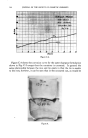
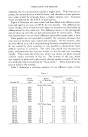
98 JOURNAL OF THE SOCIETY OF COSMETIC CHEMISTS chemical. With 2 per cent of it in a solid soap, recoverable hexachloro- phene was reduced tenfold this apparent discrepancy was attributed to the larger amount of it coming in contact with the skin when present in liquid soap. Working with a C•4-1abeled hexachlorophene, Shemano and Nickerson (69) showed that, as a result of washing depilated skin areas on the back of rats with a soap solution containing 2 per cent of it, an accumulation on the skin occurred as a result of the first three to four washes hereafter, the quantity remained fairly constant. Significant radioactivity was present for four days after the last application its rate of loss was increased by daily washing with soap and water. Similar studies were carried out on the human skin. With respect to the character of the antibacterial effect of the bis- phenols, it is fortunately unnecessary for our purposes to concern ourselves here with the controversial question as to whether this effect is bactericidal or bacteriostatic, reversible or irreversible, as inquired into by Klarmann, Wright and Shternov (70). In view of an opportunity for prolonged action upon skin bacteria, as insured through retention of these chemicals by the unbroken skin, it is sufficient to accept and to consider their bacteriostatic properties, and to disregard the possibility of reversal of antibacterial action by tissue fluids, etc., liberated by skin lesions. With respect to the cutaneous flora, the reported bacteriologic data vary over a rather wide range. According to Price and Bonnerr (71), the inhibitory dilution of hexachlorophene for Micrococcus pyogenes var. aureus is 1:5,000,000 and, according to Seastone (68), it is 1:1,000,000 variations in the density of the inocula and in the composition of the media, no doubt account for the divergence of these results. As to bithi- onol, Hunter, Roman and Shumard (72) state a dilution of 1:1,000,000 to be bacteriostatic• for micrococci and corynebacteria. On the other hand, certain gram-negative bacteria require substantially higher concentrations thus, E. coli is not inhibited by a 1:1000 dilution of bithionol. In his comprehensive paper, Killian (5) refers to tests with perspiration sampled from the subjects' axillae in the course of thermal stimulation of sweating. While either plain soap or hexachlorophene soap in the tub bath produced a decrease in perspiratory odor, the latter soap was more effective, as shown, e.g., by the finding that the reduction of odor intensity after 11 daily baths with plain soap was approximately equivalent to that after four baths with hexachlorophene soap. As to the effect upon the total bacterial count of the skin, during the first four days of the test period there was no significant change in the number of bacteria in the samples of perspiration collected four hours after bathing with plain soap although a progressive decrease was observed subsequently by contrast, quick and substantial reductions were noted following baths with the hex- achlorophene soap. Discontinuance of the baths with either soap was

ASPECTS OF ANTIPERSPIRANTS AND DEODORANTS 99 followed by increments in the odor-producing potential of the perspiration, coincident with an increase in the bacterial population. These observations are in substantial agreement with those of Gee and Seldenberg (73) who employed a "use" type of procedure and determined the relative efficacy of soaps in reducing the intensity of perspiratory odors by direct sniffing. While of no immediate interest to the subject of this paper, for illustrative purposes mention is made here of the work of Fuller, Newhall, Thorne and Traub (74) who observed a significant reduction of the incidence of pyogenic skin infections as a result of the reduction of the bacterial skin flora brought about by the routine use of a hexachlorophene soap Hare (75) reported subsequently a similar experience. The observation by Shelley, Hurley and Nichols (1) to the effect that the presence of hexachlorophene protects apocrine sweat in vitro from develop- ing odor, is in agreement with the above findings. The same authors re- ported that daily washing of an axilla for one week with a commercial deter- gent preparation containing hexachlorophene gave a significant odor pro- tection as compared with the control axilla in which the detergent without hexachlorophene was used. Moreover, hairs clipped from treated axillae were found to be free from bacteria (upon plating and incubation) in a sub- stantially greater number of cases, than hairs from control axillae. Although the experiments of Blank and Coolidge (76) do not concern themselves with the odor of perspiration, they suggest that the detergent bases, such as liquid soaps or certain oil-bearing anionic detergent formula- tions, do not materially affect the performance of hexachlorophene so long as the use of the combination is continued for a sufficient period of time. On the other hand, Spoor and Traub (77) report that oil-bearing prepara- tions (of undisclosed composition) with hexachlorophene do not reduce the bacterial skin flora as effectively as do hexachlorophene soaps they assume that because of the preferential solubility of this chemical in oils, its effec- tive contact with the skin and its bacterial load may be impeded. Yet, Glaser, Thompson and Benson (78), without determining the actual decrease of the cutaneous bacterial population, found oil emulsions with h.e. xachlorophene effective in controlling the incidence of impetigo and diaper rash and Grubb and Wands (79) reported that applying to the hands a cosmetic lotion with hexachlorophene three times a day, depressed the bacterial count by 75 per cent incidentally, a micrococcus isolated in pure culture at the beginning and at the end of the experiment did not appear to develop any resistance to the bacteriostatic action of hexachloro- phene during the seven weeks of the daily application of the lotion. Gump (80) reported upon a series of experiments designed specifically to demonstrate the deodorant effect of hexachlorophene when incorporated in a body powder (in a proportion of 0.5 per cent), and in a deodorant stick (alcohol "solidified" with sodium stearate). With the aid of the
Purchased for the exclusive use of nofirst nolast (unknown)
From: SCC Media Library & Resource Center (library.scconline.org)