118 JOURNAL OF THE SOCIETY OF COSMETIC CHEMISTS As to the second aspect of percutaneous absorption a detailed discussion of the general subject of radiation hazards is obviously beyond the scope of this paper, but clinical observations (25, 26) and further studies with laboratory animals--especially those of Loeffler's (27, 28)--have yielded information on the subject of decontamination which will be briefly summarized (28). Where intact skin becomes contaminated with soluble materials decon- tamination procedures must be carried out quickly. Thorough washing with synthetic detergents is the most effective method known at the present time for removing the maximum amount of radioactive material from the skin surface with the minimum amount of systemic absorption. Auxiliary use of topical epinephrine may be of further value and an arterial tourniquet, applied where an extremity is affected, will temporarily delay passage into the general circulation. Where intact skin becomes contaminated with insoluble materials decontamination procedures need not be carried out as an immediate emergency measure "in the field" but can be temporarily deferred until effective methods can be employed in a specially equipped decontamination room. The important exception here concerns materials which are of high enough activity to present a radiation hazard to the skin. For removal of both soluble and insoluble materials the use of complexing and wetting agents is contraindicated because of their tendency to increase systemic absorption (27). When contamination is complicated by abrasions, lacerations or open wounds, prompt skin decontamination is a required procedure, but the major difficulty now is one of dealing with deposition of systemically absorbed radioactive material. An excellent review of this complex problem has recently been prepared by Hathaway and Finkel (29). To conclude this discussion of radioisotopic techniques in the study of percutaneous absorption, I might illustrate the usefulness of such methods by citing some preliminary observations of Ferguson and myself on the absorption of hydrocortisone from normal human skin. It has been known for some time that such endocrine substances as testosterone, progesterone, estrogen and desoxycorticosterone are capable, ak measured by physiological effects, of penetrating intact human skin. To the present time, however, the use of radioisotope labeled material in the study of cutaneous absorption of hormones has remained an unexplored experimental field. When ACTH and cordsone were first assayed as therapeutic agents it soon became apparent that while systemically administered adrenal steroids were somewhat effective in the treatment of certain skin disorders, topical applications of cordsone were ineffective in the treatment of any disease entity. When hydrocortisone became available, however, several

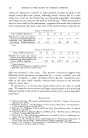
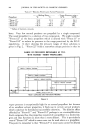
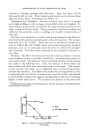
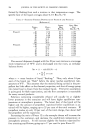
RADIOISOTOPE TECHNIQUES IN PERCUTANEOUS ABSORPTION 119 groups of dermatologists (30, 31, 32, 33) found that various skin disorders, essentially confined to the eczema group, responded well to topical applica- tion of this hormone. Although these salutary effects strongly suggested that hydrocortisone penetrated the skin, no direct or indirect evidence could be obtained to support this assumption. Salt retention, edema, hypertension or other side effects that would denote systemic absorption were never reported studies of eosinophile counts before and after applica- tion of the adrenal hormone revealed no significant changes (34) and measurements of compound F excretion in the urine showed no increase after hydrocortisone was rubbed into the skin (35). Witten and his associates (36), using as subjects six normal adults and nine patients with generalized skin disease, applied 750 mgm. ofhydrocortisone in an ointment base to large areas of skin surface over a three-day period. Colorimetric determinations of 17,21-dihydroxy-20 ketosteroids in blood and urine showed no significant alterations in pre-inunction and post-inunction levels. When Hellman, et al. (37) showed that 70-80 per cent of hydrocortisone- 4-C TM administered intravenously to human subjects appeared in the urine within twenty-four hours, it was decided that cutaneous absorption of this material might be demonstrated by examination of the appropriate urinary fraction. Accordingly 1.25 mgm. of hydrocortisone-4-C •4' (free alcohol) equivalent to five microcuries were incorporated into •/2 gram of a choles- terolized petrolatum base** containing sufficient "carrier" hydrocortisone to provide an ointment concentration of 2.5 per cent. Two subjects were tested, one with 59 mgm. of ointment containing 0.15 mgm. of labeled hydrocortisone and the other with 111 mgm. of ointment containing 0.28 mgm. of labeled hydrocortisone. The ointment was rubbed in sufficiently to provide a thin even film over a 39 square centimeter area of normal skin on the flexor surface of the forearm and the site of application was then covered with a perforated aluminum eye patch. The protective dressing remained in place for six days while twenty-four-hour urine specimens were collected daily. At the end of this period the dressing was removed and urine collections discontinued. The 17-ketosteroid fraction of the urine was isolated by the method of Koch as modified by Landau (38), and radioactivity in samples of this fraction was measured in a gas-flow counter. No C TM labeled hydrocortisone was detectable in an initial nine-hour specimen from one patient, but within twenty-four hours significant activity had appeared in the urine of the second patient(see tables). Ex- * This material was kindly supplied to us by The National Institutes of Health through Dr. Sam R. Hall. ** This base contains petrolatum, cholesterol, multiwax and mineral oil. It is the standard vehicle for the hydrocortisone ointment preparations of the Upjohn Company, Kalamazoo, Mich.
Purchased for the exclusive use of nofirst nolast (unknown)
From: SCC Media Library & Resource Center (library.scconline.org)