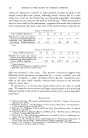
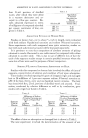
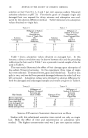
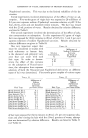
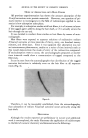
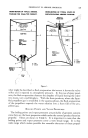
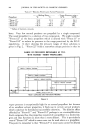
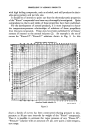
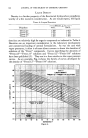
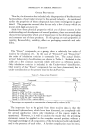
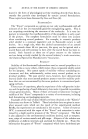
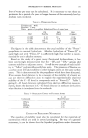
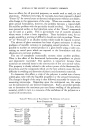
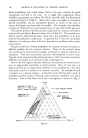
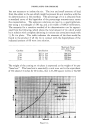
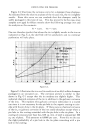
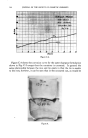
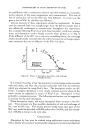
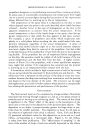
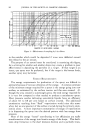
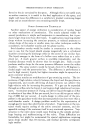
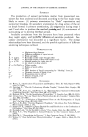
FORMULATING FOR PRESSURE 149 where vapor pressure and solubility contours have been plotted on tri- angular coordinates for the system: 95 per cent alcohol, "Freon-12" and "Freon-114." The shaded area covers those compositions which will give reasonably satisfactory spray patterns with typical aerosol valves. These data were developed for aerosol systems to be packaged in nonmetal- lic containers and thus the pressure contours were determined only for the low-pressure region. In the development of an aerosol cologne, for ex- ample, one can eliminate much of the initial trial and error work by the use of these charts. SUMMARY The data in this paper describe the basic properties of the fiuorinated hydrocarbons used by the aerosol industry as propellents for pressurized products. The properties discussed are those which are of most interest to the cosmetic application of these compounds. REFEKENCES (1) Goodhue, L. D., and Sullivan, W. N., U.S. Patent No. 2,321,023. (2) KTM-8, "Kinetic" Chemicals Division, E. I. du Pont de Nemours and Co., Inc. (3) KTM-19, "Kinetic" Chemicals Division, E. I. du Pont de Nemours and Co., Inc. (4) Thermodynamic Properties of "Freon-11," "Freon-12," "Freon-22," "Freon-114," and KTB-2, "Kinetic" Chemicals Division, E. I. du Pont de Nemours and Co., Inc. (5) Underwriters' Laboratories Reports, MH-2375 and MH-3134 and U.S. Bureau of Mines Reports, RI-3013 and RI-3185. (6) Gee, A. H., and Fiero, G. W., Soap and Chemical Specialties, 172 (May, 1955). (7) Elseman, B. J., Refrig. Eng., 57, 1171 (1949). (8) Hildebrand, J. H., and Scott, R. B., "Solubility of Nonelectrolytes," 3rd edition, New York, Reinhold Publishing Corp. (1950). (9) KTM-3, "Kinetic" Chemicals Division, E. I. du Pont de Nemours and Co., Inc. (10) Reed, F. T., Proceedings 41st Annual Meeting, Chemical Specialties Manufacturers' Assoc., 31 (December, 1954). FORMULATING FOR PRESSURE* By MoRRis J. Root G. Barr and Co., Chicago, IlL AN "AEROSOL" PRODUCT as defined by the industry is a self-contained spray or foam product in which the propellent force is supplied by a liquified gas. The term "aerosol" as used here does not apply to the scientific definition but rather to the one adopted by the industry. As a result of aerosols, we as cosmetic chemists now have a wider range of chemicals to work with in developing new beauty aids. Many materials * Presented at the September 15-16, 1955, Seminar, New York City.

FORMULATING FOR PRESSURE 149 where vapor pressure and solubility contours have been plotted on tri- angular coordinates for the system: 95 per cent alcohol, "Freon-12" and "Freon-114." The shaded area covers those compositions which will give reasonably satisfactory spray patterns with typical aerosol valves. These data were developed for aerosol systems to be packaged in nonmetal- lic containers and thus the pressure contours were determined only for the low-pressure region. In the development of an aerosol cologne, for ex- ample, one can eliminate much of the initial trial and error work by the use of these charts. SUMMARY The data in this paper describe the basic properties of the fiuorinated hydrocarbons used by the aerosol industry as propellents for pressurized products. The properties discussed are those which are of most interest to the cosmetic application of these compounds. REFEKENCES (1) Goodhue, L. D., and Sullivan, W. N., U.S. Patent No. 2,321,023. (2) KTM-8, "Kinetic" Chemicals Division, E. I. du Pont de Nemours and Co., Inc. (3) KTM-19, "Kinetic" Chemicals Division, E. I. du Pont de Nemours and Co., Inc. (4) Thermodynamic Properties of "Freon-11," "Freon-12," "Freon-22," "Freon-114," and KTB-2, "Kinetic" Chemicals Division, E. I. du Pont de Nemours and Co., Inc. (5) Underwriters' Laboratories Reports, MH-2375 and MH-3134 and U.S. Bureau of Mines Reports, RI-3013 and RI-3185. (6) Gee, A. H., and Fiero, G. W., Soap and Chemical Specialties, 172 (May, 1955). (7) Elseman, B. J., Refrig. Eng., 57, 1171 (1949). (8) Hildebrand, J. H., and Scott, R. B., "Solubility of Nonelectrolytes," 3rd edition, New York, Reinhold Publishing Corp. (1950). (9) KTM-3, "Kinetic" Chemicals Division, E. I. du Pont de Nemours and Co., Inc. (10) Reed, F. T., Proceedings 41st Annual Meeting, Chemical Specialties Manufacturers' Assoc., 31 (December, 1954). FORMULATING FOR PRESSURE* By MoRRis J. Root G. Barr and Co., Chicago, IlL AN "AEROSOL" PRODUCT as defined by the industry is a self-contained spray or foam product in which the propellent force is supplied by a liquified gas. The term "aerosol" as used here does not apply to the scientific definition but rather to the one adopted by the industry. As a result of aerosols, we as cosmetic chemists now have a wider range of chemicals to work with in developing new beauty aids. Many materials * Presented at the September 15-16, 1955, Seminar, New York City.
Purchased for the exclusive use of nofirst nolast (unknown)
From: SCC Media Library & Resource Center (library.scconline.org)