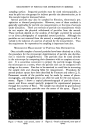
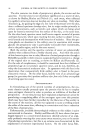
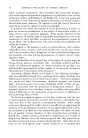
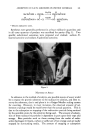
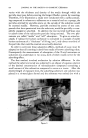
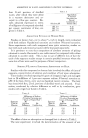
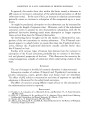
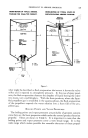
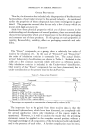
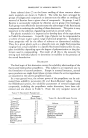
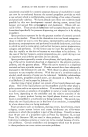
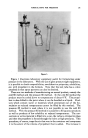
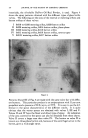
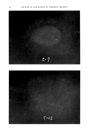
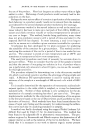
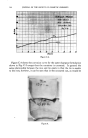
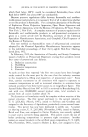
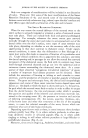
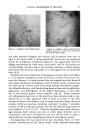
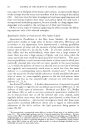
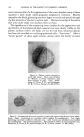
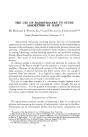
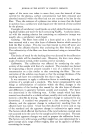
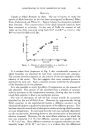
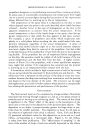
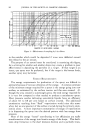
ADSORPTION OI. N-ACYL SARCOSINES ON PROTEIN MATERIALS 123 , Na•COa H , BrCH•COOH + CHaNH• CHaNCH•COOH O O H , II NaOH II ß CHsNCH•COOH + RC--CL RC--NCH•COONa CHa * Denotes radioactive atom. Syntheses were generally performed in at least millicurie quantities and in all cases quantity of product was sacrificed for purity (Fig. 1). Two specific substituted sarcosines were prepared and studied: sodium N- lauroyl sarcosine and sodium N-palmitoyl sarcosine. . :" - :: ..• . • -. .: .... ::= :5 -•'.• ':• 5".:.. '=• ••_:.) ,: ".•:. 5 ...... . . . Figure 1. .... 17i ' "::!- .. METHOD OF ASSAY In reference to the method of analysis, one possible means of assay would be to expose the protein substrate to the radioactive solution, and then re- mov.e the substrate, dry it and place it in a Geiger-Mueller scaling system for counting. However, in most instances, the observed amount of ad- herence or pickup would be much lower than the actual quantity. This is due to the adsorption or stopping of the radioactive particle being emitted by the unstable atoms by the substrate being used. The amount of adsorp- tion of these radioactive particles is dependent in part upon their type and energy. Beta particles such as those coming from the nuclei of radio- active hydrogen (tritium), carbon or sulfur are of low energy and are easily stopped by surrounding media. The amount of stopping or adsorption

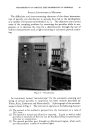
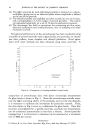
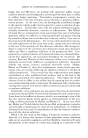
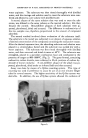
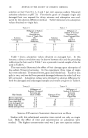
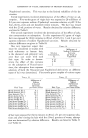
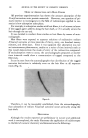
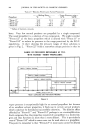
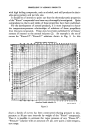
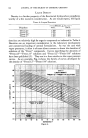
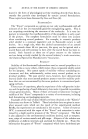
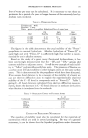
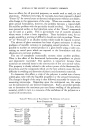
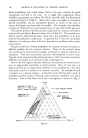
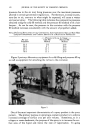
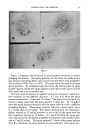
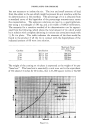
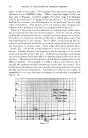
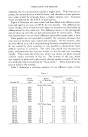
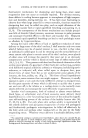
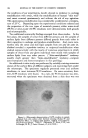
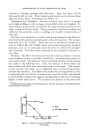
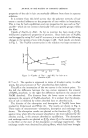
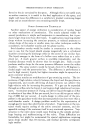
124 JOURNAL OF THE SOCIETY OF COSMETIC CHEMISTS varies with the thickness and density of the media through which the particle must pass before entering the Geiger-Mueller system for counting. Therefore, if for illustration a study were conducted with a sulfur-contain- ing compound in reference to adherence on a material such as a sponge, the particles emitted by unstable atoms on the outside of the substrate would be counted readily. However, particles emitted by atoms of test com- pounds that have penetrated into the substrate, would be partially or com- pletely stopped or adsorbed. In addition the test material itself does stop or adsorb some of the radioactive particles being emitted. The two phe- nomena are called "media" and "self" adsorption. To give an actual ex- ample, if radioactive barium carbonate is contained in a sample of stable barium carbonate of a "thickness" of 10 mg./cm. 2, only about one-third of the particles that could be counted are actually detected. In order to overcome these adsorption effects, methods of assay must be adopted so that all counting is done from media of known adsorbing value. Consequently the measurement of adsorption of the N-acyl safcosines on substrates was undertaken in two ways, both of which would correct for the adsorbing effect. The first method involved evaluation by solution difference. In this method the substrate tested was subjected to an aliquot of aqueous solution of the desired concentration of nonradioactive compound containing a small amount of the radioactive compound to serve as a tracer. After the desired length of exposure time, the adsorbing substrate and solution was placed in a sintered glass funnel and the substrate was sucked dry with a ... :,: :•..:• •,••.: ' "7- ........... .. "' .. ' ... --•. • • .•..•z5 : .•:.•?:'% . . .. • ::•-':.•/%. • .,¾....( . ".'..:.- ..... •'s" •' '. 5- ::. . .... Figure 2.
Purchased for the exclusive use of nofirst nolast (unknown)
From: SCC Media Library & Resource Center (library.scconline.org)