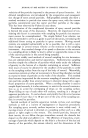
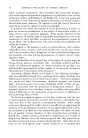
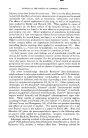
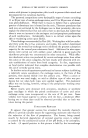
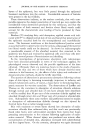
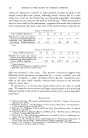
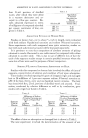
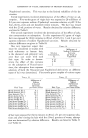
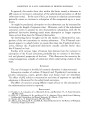
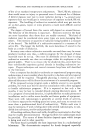
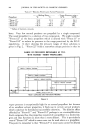
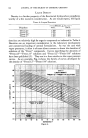
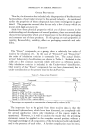
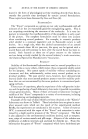
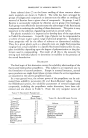
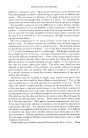
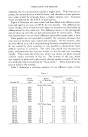
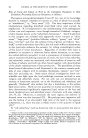
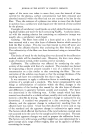
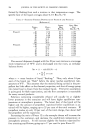
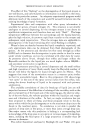
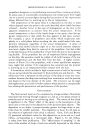
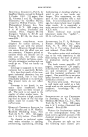
PROPELLENT IN AEROSOL PRODUCTS 147 Some selected data (7) on the linear swelling of three common elasto- meric materials are shown in Table 8. The table has been arranged by groups of halogenated compounds to demonstrate the effect on swelling of removal of fluorine from a given class of compounds. In groups 1 and 2 fluorine is successively replaced by chlorine and in group 3 by hydrogen. Each group very effectively demonstrates the advantage of the fiuorinated compounds in reducing the swelling of these elastomers. This point is very important in the selection of gasketing materials in aerosol valves. For plastic materials it is impraktical to develop data of the type shown in Table 8 for elastomers. A specific type of plastic can be compounded in a variety of ways to give a great range of physical properties. Included in these properties will be the effect of solvents on dimensional stability. Thus, for a given plastic such as a phenolic resin one might find properties ranging from actual solubility in a specific fiuorinated hydrocarbon to com- plete insolubility depending upon the degree of polymerization or the plas- ticizers used in compounding. The result of all this is the necessity for testing each individual plastic to determine its stability in the presence of the actual formulation. SOLUBILITY The final topic of this discussion covers the solubility relationships of the fluorinated hydrocarbon propellents. This subject is an important one to the formulator of aerosol products. Except in unusual instances, aerosol spray products are single liquid phase systems where the active ingredients are dissolved in the solvent-propellent liquid. In a very general way, the solvent power of the propellents can be esti- mated from solubility parameters (8) and Kauri-Butanol values. Using the Hildebrand system, the solubility parameters of several halogenated compounds, including the propellents under discussion, have been cal- culated and are shown in Table 9. From the very nonpolar nature of TASLE 9--SOLUBILITY PARAMETERS Parameter Compound (Room Temp.) TABLE 10--KatrR•-Btr'ra•roL VaLuEs "Freon-12" 6.0 K-B "Freon-22" 6.4 Solvent Value "Freon-114" 7.3 "Freon-11" 7.5 "Freon-114" 11.8 Ethyl ether 7.3 "Freon-12" 18.0 Dioxane 9.8 "Freon-22" 24.5 Ethyl acetate 10.2 "Freon-11" 60.1 Ethanol 11.1 Carbon tetrachloride 112.5 Benzophenone 11 Methylene chloride 136.2 Benzyl alcohol 11 Chloroform 208.0 Glycerine 14 Ethylene glycol 14 Water 22

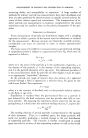
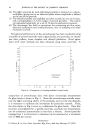
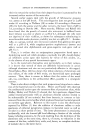
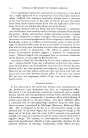
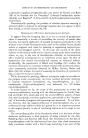
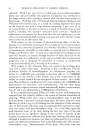
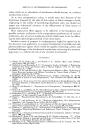
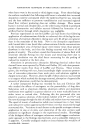
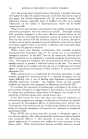
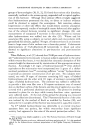
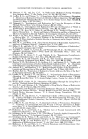
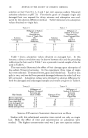
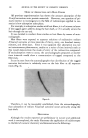
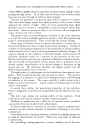
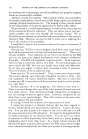
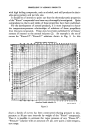
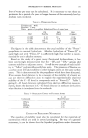
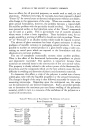
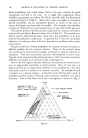
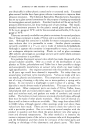
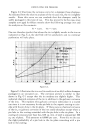
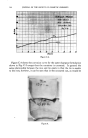
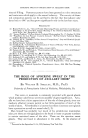
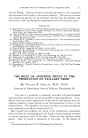
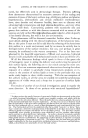
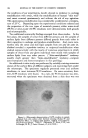
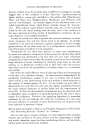
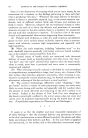
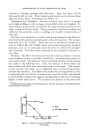
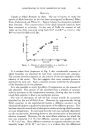
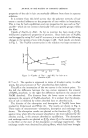
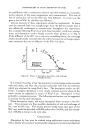
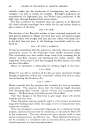
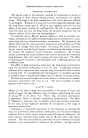
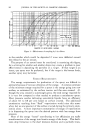
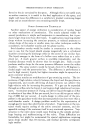
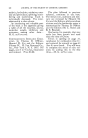
148 JOURNAL OF THE SOCIETY OF COSMETIC CHEMISTS these propellents, one would expect them to be poor solvents for polar compounds and this is the case. As a rough rule, compounds whose solubility parameters are below 10 will be miscible with the fiuorinated compounds listed in Table 9. Above this value, one begins to encounter partial miscibility and for parameters greatly in excess of 10, such as water, the liquids are essentially immiscible. For example, the solubility of water in "Freon-12" at room temperature is in the order of 0.01 per cent. The solvent power of the fiuorinated compounds for resinous materials is indicated by the Kauri-Butanot values (9) in Table 10. The specific.con- ditions used in determining these values'show the propellents to be poor solvents for polymeric compounds. In general this is true, but the proper selection of cosolvents often will solve formulation problems where resins are involved. The poor solubility of these propellents for aqueous systems introduces a difficult problem for the cosmetic chemist. Many of the cosmetic items now marketed in conventional packages are based on aqueous solutions or emulsions. This fact necessitates extensive reformulation in many cases. Typical of the conventionally packed products which have been extremely difficult to formulate as an aerosol are the antiperspirants. One of the few organic solvents which can be tolerated in cosmetic prod- ucts in appreciable quantities is ethyl alcohol. Since 95 per cent (or higher) alcohol has an appreciable solubility in the propellents, it has been extensively used as a cosolvent in cosmetic aerosols. An example of such a product is an aerosol cologne. A detailed study (10) has been made of propellent-alcohol systems showing vapor pressure, solubility and spray character. One of the charts from this investigation is shown in Fig. 5, ALCOHOL OF "FREON-12" -- "FREON-- 114" -- ETHYL ALCOHOL (95% BY VOLUME) SOLUTIONS.
PROPERTIES • VAPOR PRESSURE CONTOURS oo•.os,•,o.: w•. % I•/ /•11 • / X • .•,o. o• A I ASE B 'FREON - 114' Figure 5.
Purchased for the exclusive use of nofirst nolast (unknown)
From: SCC Media Library & Resource Center (library.scconline.org)