158 JOURNAL OF THE SOCIETY OF COSMETIC CHEMISTS ½.7 C-I 2'.

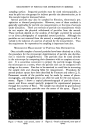
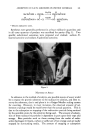
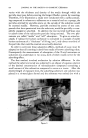
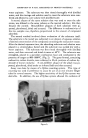
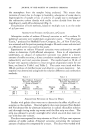
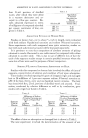
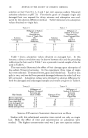
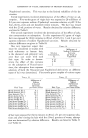
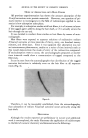
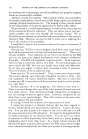
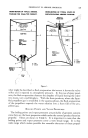
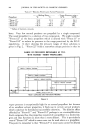
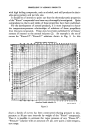
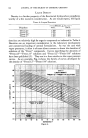
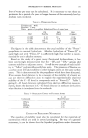
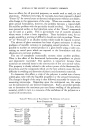
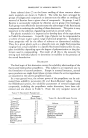
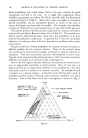
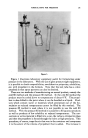
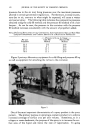
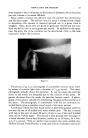
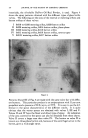
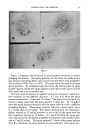
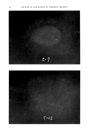
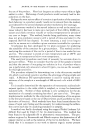
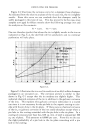
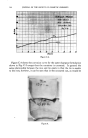
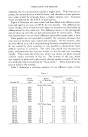
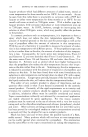
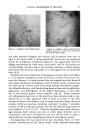
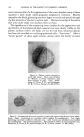
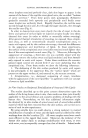
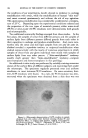
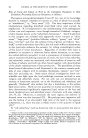
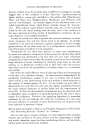
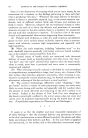
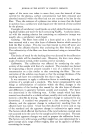
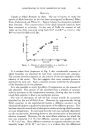
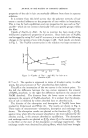
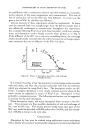
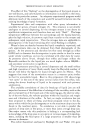
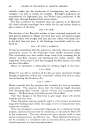
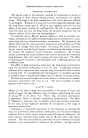
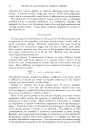
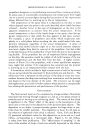
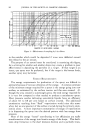
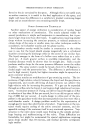
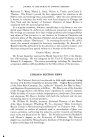
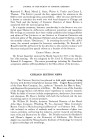
FORMULATING FOR PRESSURE 159 pellent by a change in valve. Spray pattern technique, as can be seen from these photographs, is useful in determining the spray area at different dis- tancec. This, of course, is a function of the angle of the spray as can be shown from the photograph (Fig. 3) taken of a spray. At increasing dis- tances from the outer orifice, the cross sectional area of the spray is larger. It is possible to show up not only differences in valves, buttons and pro- pellent mixtures, but it is also possible to show variations in viscosity of a product. A series of spray patterns made with varying viscosities of min- eral oil and with the same propellent mixtures shows spray variations all the way from a very fine to a very coarse spray, the high viscosity oils giv- ing the coarsest sprays. Of critical importance in an aerosol product is the type of container which is used. Tin plate containers are available from the three large can manufacturers in 4 oz., 6 oz., 12 oz., and 16 oz. sizes. The standard method for specifying can sizes is as follows: 211 X 204, which means that the can is 2 •1/16 inches in diameter and 24/16 inches high. The height includes only the straight portion of the can. Corrosion characteristics of cans manu- factured by different companies vary. Some of the cans are made by draw- ing the tin plate whereas other cans are made by rolling the tin plate. Bottom sections are usually stamped out and cupped. In one type of can the sides are drawn rather than rolled. The valve cups, which are also exposed to the contents of the container, are usually made of tin plated steel however, they are available with organic coatings or in aluminum. It is usually necessary to check the corrosion characteristics of the cup as well as the container. Aluminum cans are available in smaller sizes, usually from two to four ounces and are also made by three different manufacturers. T•vo of the cans available have a one-inch opening for a standard valve cup. In the other, the valve is crimped into the container by the manufacturer. Two of the cans have a separate bottom piece in one, the bottom is seamed in place after filling the can in the other, the bottom is sealed in place by the manufacturer and the can is filled through the one-inch opening in the top. The third can has the sides and bottom in one piece and is filled through the standard one-inch opening in the top. These cans are nearly always made by a drawing operation. Here again, corrosion characteristics will vary. It has been found that aluminum containers are corroded by absolute al- cohol and by chlorides. It is therefore wise to avoid the use of either abso- lute alcohol or propellents which hydrolyze in water or alkali. It is difficult to determine by observation whether corrosion has taken place in alumi- num containers. The best method is to analyze the contents for aluminum. In some cases, as high as 700 ppm. were found in the product with no visible evidence of corrosion. Glass bottles are available in sizes all the way from 10 cc. to 8 oz. These
Purchased for the exclusive use of nofirst nolast (unknown)
From: SCC Media Library & Resource Center (library.scconline.org)