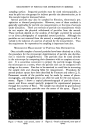
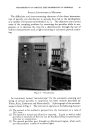
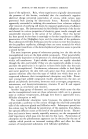
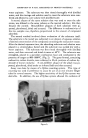
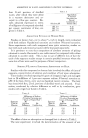
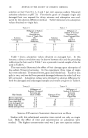
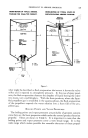
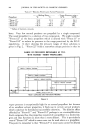
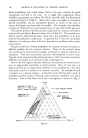
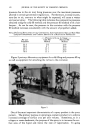
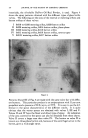
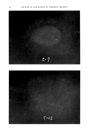
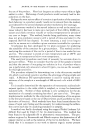
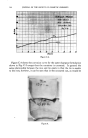
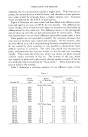
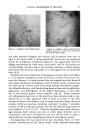
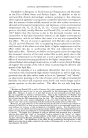
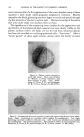
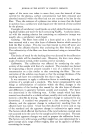
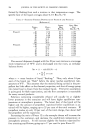
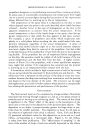
152 JOURNAL OF THE SOCIETY OF COSMETIC CHEMISTS pressure due to the air may bring pressures over the maximum pressures allowed in certain government regulations. Furthermore, increase in pres- sure due to air, contrary to what might be expected, will cause a wetter and coarser spray. The following table indicates the comparative pressures obtained using the cold fill method and the pressure fill method with a hair lacquer. As can be seen, the pressure in the container with the pressure fill method increases considerably with the amount of propellent added. TOTAL PRESSURE DEVELOPED IN 6-OZ. CONTINENTAL CANS CONTAINING SHELLAC BASE HAII• LACQUER CONCENTRATE AND VARIOUS AMOUNTS OF A MIXTURE OF PROPELLENT Per cent Propellent Pressure in lb./sq. in. Gauge Cold Fill Pressure Fill Method Method 33.3 5.0 13.9 50.0 9.7 19.0 60.0 12.5 25.9 66.6 13.1 34.0 70.0 15.1 37.9 Figure 2 portrays laboratory equipment for cold filling and pressure filling as well as equipment for attaching the valves to the container. ' • •-,' .... .• • .:•. .•%,- •'.• ,77,'• • '• • :•. ..... -:'.'...:"':•:,•.. :•::•' E... f: ":• •' " ..• •.•'.: •:,• E.• •:.• • ".•:'.:.::'"..: ' •' '""L" ß ' ....... ,.•4,c_. :::.:,..• •- f:•.:• .• E •- •"• -- ...... . • • •.. ,• • •, ,• .. •.. •. •-•: "•" .'. : " •'•'•'? :• '.• ......... :• • E:•. E • •-'-• • • ß ., •_.j ' :: ' •'•. --=• :k .... •=•=??•?'CE?E'... ...... ".: . ß .• ... ::..:::..:. •::•...•=: :..... '" 7,• •-" ' '•:::•..::3: "•: •:':'" . .... Figure 2. One of the most important characteristics of a spray product is the spray pattern. The primary purpose in spraying a cosmetic product is to achieve increased coverage of surface area per unit volume. Sometimes, as in a cologne or room deodorant, the purpose of the spray is to increase the sur- face area of the liquid and hence the rate of vaporization. In going

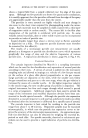
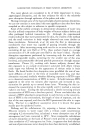
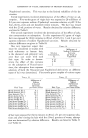
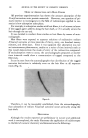
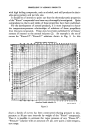
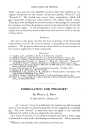
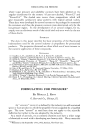
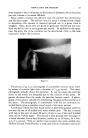
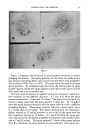
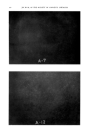
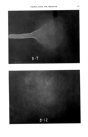
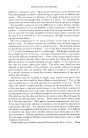
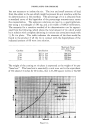
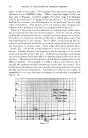
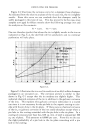
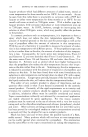
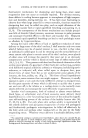
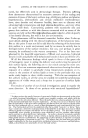
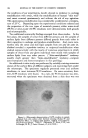
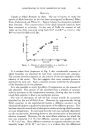
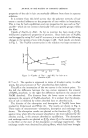
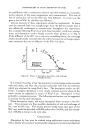
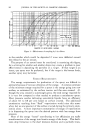
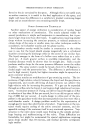
FORMULATING FOR PRESSURE 153 from droplets 1 mm. in diameter to 10 microns in diameter, the surface area per unit volume is increased 100-fold. Spray pattern involves the delivery rate, the particle size distribution and the spray angle. The delivery rate of a spray is comparatively simple to determine--the amount of material sprayed out in a given time is weighed. Thus, spray rates are given in grams per second and can vary from one-half to two or more grams per second. In addition to the spray rate, the spray life of the container can be determined--that is, the time required to empty the container. ß .:%:.:-.:' :. Figure 3. The picture, Fig. 3, i,s a Photograph of a propellent mixture spray taken by means of a strobe light with a duration of •/•o,ooo second. This spray photograph actually shows the particles. As can be noted, the particles closer to the nozzle are elongated due to the velocity of the spray. At greater distances from the nozzle the particles become round. A photo- graph of this type is valuable for determining the general characteristics of the spray. The photograph, in combination with the dye technique de- scribed below, gives a complete visual record of the spray pattern. A technique which has been found useful in determining spray patterns involves the use of oil-soluble and water-soluble dyes. The dye is mixed with talc in the ratio of about 20 parts of talc to one of dye and brushed onto a 67-1b. Vellum paper. The aerosol is then sprayed onto the paper in a closed chamber from a fixed distance, usually six to 12 inches, for a frac- tion of a second. With an alcohol type product, the water-soluble dye, DuPont Crystal Violet Powder, is used, and with an oil product such as an
Purchased for the exclusive use of nofirst nolast (unknown)
From: SCC Media Library & Resource Center (library.scconline.org)