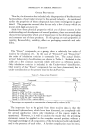
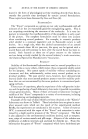
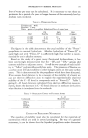
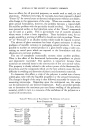
122 (34) (35) JOURNAL OF THE SOCIETY OF COSMETIC CHEMISTS Smith, C. C., "Eosinophilic Response After Inunction of Hydrocortisone Ointment," Arch. Dermatol. 8yphilol., 68, 50 (1953). Fitzpatrick, T. B., Griswold, H. C., and Hicks, J. H., "Sodium Retention and Edema from Percutaneous Absorption of Fluorocortisone Acetate," 7. Am. Med. Assoc., 158, 1149 (1955). (36) Witten, V. H., Shapiro, A. J., and Silber, R. H., "Attempts to Demonstrate Absorption of Hydrocortisone by New Chemical Test Following Inunction into the Skin," Proc. Soc. Exptl. Biol. Med., 88, 419 (1955). (37) Hellman, Leon, B,,r. adlow, H. L., Adesman, Jerome, Fukushima, D. K., Kulp, J. L., and Gallagher, T. F., ' The Fate of Hydrocortisone 4-0 4 in Man," 5 t. Clin. Invest., 33, 1106 (1954). (38) Landau, R. L., "Diagnostic Significance and Laboratory Methods in Determinations of the 17-Ketosteroids," Am. 5 t. Clin. Path., 19, 424 (1949). THE ADSORPTION OF N-AGYL SARGOSINES ON VARIOUS PROTEIN MATERIALS* By M. F. NELSON, JR., and D. STEWART, JR. Radioisotope Laboratory, Colgate-Palmolive Co., New Brunswick, N.y. THE STUDY OF adsorption of compounds and formulations on var- ious protein substrates is one of prime interest to the cosmetic industry. Normal methods of analysis often limit the extent of the experiments in both terms of sensitivity and accuracy, and in some cases, quantitative measurements are impossible. Quantitative studies using radioisotopes as tagging agents were initiated on the N-acyl sarcosines, since reports by previous investigators had in- dicated the adsorption of these compounds on protein. Fosdick (1) found that sodium N-lauroyl safcosine or sarcosinate inhibited acid production in the dental plaque for many hours. King (2) showed that casein which had beer• treated with sodium N-lauroyl sarcosinate and rinsed thoroughly with water inhibited acid production of saliva and glucose in the standard Snyder Test (3). Other radioisotope studies (4) in cooperation with the Bureau of Biological Research at Rutgers University have shown that sodium N-lauroyl sarcosine is retained on the teeth and oral tissues of white rats for at least forty-eight hours. In this study several protein substrates were selected. Granular casein, gelatin discs prepared from Kodak Verichrome film and human hair were used. Studies with hair involved experiments on both virgin hair and hair damaged with peroxide. The sarcosine derivatives used in the experiments herein described, were tagged with Carbon (14) in the following manner: * Presented at the September 15-16, 1955, Seminar, New York City.

122 (34) (35) JOURNAL OF THE SOCIETY OF COSMETIC CHEMISTS Smith, C. C., "Eosinophilic Response After Inunction of Hydrocortisone Ointment," Arch. Dermatol. 8yphilol., 68, 50 (1953). Fitzpatrick, T. B., Griswold, H. C., and Hicks, J. H., "Sodium Retention and Edema from Percutaneous Absorption of Fluorocortisone Acetate," 7. Am. Med. Assoc., 158, 1149 (1955). (36) Witten, V. H., Shapiro, A. J., and Silber, R. H., "Attempts to Demonstrate Absorption of Hydrocortisone by New Chemical Test Following Inunction into the Skin," Proc. Soc. Exptl. Biol. Med., 88, 419 (1955). (37) Hellman, Leon, B,,r. adlow, H. L., Adesman, Jerome, Fukushima, D. K., Kulp, J. L., and Gallagher, T. F., ' The Fate of Hydrocortisone 4-0 4 in Man," 5 t. Clin. Invest., 33, 1106 (1954). (38) Landau, R. L., "Diagnostic Significance and Laboratory Methods in Determinations of the 17-Ketosteroids," Am. 5 t. Clin. Path., 19, 424 (1949). THE ADSORPTION OF N-AGYL SARGOSINES ON VARIOUS PROTEIN MATERIALS* By M. F. NELSON, JR., and D. STEWART, JR. Radioisotope Laboratory, Colgate-Palmolive Co., New Brunswick, N.y. THE STUDY OF adsorption of compounds and formulations on var- ious protein substrates is one of prime interest to the cosmetic industry. Normal methods of analysis often limit the extent of the experiments in both terms of sensitivity and accuracy, and in some cases, quantitative measurements are impossible. Quantitative studies using radioisotopes as tagging agents were initiated on the N-acyl sarcosines, since reports by previous investigators had in- dicated the adsorption of these compounds on protein. Fosdick (1) found that sodium N-lauroyl safcosine or sarcosinate inhibited acid production in the dental plaque for many hours. King (2) showed that casein which had beer• treated with sodium N-lauroyl sarcosinate and rinsed thoroughly with water inhibited acid production of saliva and glucose in the standard Snyder Test (3). Other radioisotope studies (4) in cooperation with the Bureau of Biological Research at Rutgers University have shown that sodium N-lauroyl sarcosine is retained on the teeth and oral tissues of white rats for at least forty-eight hours. In this study several protein substrates were selected. Granular casein, gelatin discs prepared from Kodak Verichrome film and human hair were used. Studies with hair involved experiments on both virgin hair and hair damaged with peroxide. The sarcosine derivatives used in the experiments herein described, were tagged with Carbon (14) in the following manner: * Presented at the September 15-16, 1955, Seminar, New York City.
Purchased for the exclusive use of nofirst nolast (unknown)
From: SCC Media Library & Resource Center (library.scconline.org)