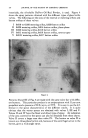
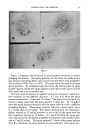
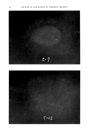
116 JOURNAL OF THE SOCIETY OF COSMETIC CHEMISTS layers of the epidermis, but very little passed through the epidermal basement membrane into the corium. Considerable amounts of lewisite were present in the hair follicles. These observations indicate, as the authors conclude, that with com- parable exposures the deeper penetration of mustard gas may explain the considerable tissue destruction produced by this substance, and that the accumulation of both mustard and lewisite about blood vessels could account for the characteristic slow healing of burns produced by these materials. Butcher (21) studying fatty acid absorption, applied stearic acid iodi- nated with I TM to clipped normal skin of rats and found that penetration of the epidermis occurred both by the transepidermal and transfollicular route. The basement membrane at the derreal-epidermal junction acted as a partial barrier to penetration into the corium, andpassageofthematerial into blood vessels could not be detected. As shown by radioautographs a considerable amount of the absorbed material that remained in the epidermis was fixed and retained by epidermal cells until those cells veere lost in the normal process of keratinization and shedding. So far, investigations of percutaneous absorption with radioisotopes have been discussed principally in terms of the techniques applied, the physiological events observed and the possible significance of the data obtained. Obviously there are numerous facets to the study of penetra- bility of the skin and two of those which have already received some attention in the literature, i.e., the effects of skin injury and evaluation of decontamination methods, should be briefly described. The question of alterations in percutaneous absorption following various types of skin injury is becoming increasingly important in industry and research laboratories and is, of course, a basic factor in formulating thera- peutic measures for wartime casualties. The observations of Loeffler and Thomas on the variations in absorption of strontium chloride solutions through normal and abraded skin of rats have already been described: it will be recalled that 10 per cent of the strontium chloride applied was absorbed through intact skin and 50 per cent of it entered at abraded skin sites. Subsequently these same workers (22) performed extensive studies on absorption of radiostrontium chloride through rat skin injured by thermal burns from a radiant energy source. Skin with moderate or severe burns showed less absorption of radio- strontium chloride than unburned skin, and this result was persistently found when burns were administered anywhere from twenty-four hours preceding contamination to five minutes following application of radio- active material. When thermal injury was produced one minute after contamination of abraded skin, absorption increased with suberythemal and first degree burns. On the contrary, absorption was again decreased

RADIOISOTOPE TECHNIQUES IN PERCUTANEOUS ABSORPTION 117 when burns were in the second or third degree range. From these findings the authors concluded that following mild burns in abraded skin increased absorption could be anticipa-ted where the epidermal barrier was removed and the heat sufficient to promote vasodilatation and increased regional blood flow without producing clear-cut cellular damage. More severe burns in normal and abraded skin, on the other hand, resulted in profound protein denaturation and cellular necrosis followed by formation of an artificial barrier through which absorption was negligible. Previous experiments in rats by Loeffler (22) had shown that following application of radiostrontium chloride to unburned skin of the leg the con- centration of strontium chloride in the leg were only 20-40 per cent greater than in the remainder of the body. Now in the absorption experiments with burned skin it was found that radiostrontium chloride concentrations in the immediate area of thermal injury were twenty times those present elsewhere in the body, and that this finding occurred with burns of all grades of severity. The authors stated that formation of edema fluid with strontium chloride flowing into the tissues and remaining there due to impaired circulation was the chief factor accounting for the pooling of radioactive material at the burn sites. Alterations in percutaneous absorption following chemical rather than thermal burns were reported by Weeks and Oakley (23) with data present- ing different results from those of Loeffler and Thomas. These investL gators, also working with rats, found exceedingly slight cutaneous penetra- tion of tetravalent plutonium from weak nitric acid solutions applied to clipped normal skin. However, when the pH of these solutions was lowered to a range at which marked skin damage occurred, absorption of appreciable amounts of plutonium could then be demonstrated. A rather unexpected finding was recorded by Lux and Christian (24) who studied the effects of astringents on the permeability of frog skin. Substances such as aluminum chloride, aluminum sulfate and aluminum methionate were applied in aqueous solution or in water washable bases to either intact or excised skin. Following this the pretreated skin was placed in aqueous solutions of electrolytes labeled with I TM and Na • and the rate of passage through the skin of iodide and sodium ions was measured. The speed of transit of radioactive iodide was increased two to four times and radioactive sodium approximately 10 times over that measured through nontreated skin. Variations in such factors as the specific astringent chosen, application in vivo or in vitro, and orientation of the skin sections used produced no significant changes in the experimental results. Knowledge of the biological effects of astringent substances would suggest conclusions quite opposed to the findings reported here, and no plausible explanation is apparent. Certainly analogous studies on intact human skin would be of considerable interest.
Purchased for the exclusive use of nofirst nolast (unknown)
From: SCC Media Library & Resource Center (library.scconline.org)