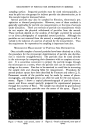
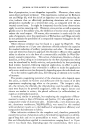
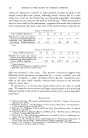
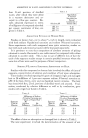
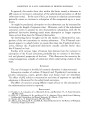
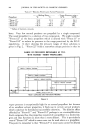
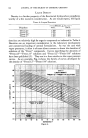
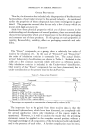
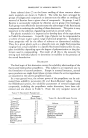
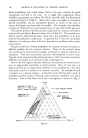
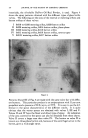
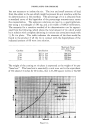
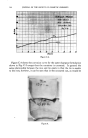
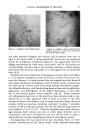
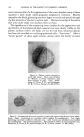
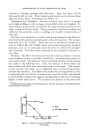
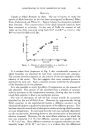
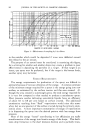
164 JOURNAL OF THE SOCIETY OF COSMETIC CHEMISTS square inches to be coated. For coating of one pound per base box, the thickness of tin is 0.000059 inches. When a base box weighs 112 lb., the base steel is 30-gauge. Common weights of tin plate range from 28 gauge (135 lb. per base box) to 37 gauge (55 lb. per base box). It is obvious that methods for corrosion rate determination of tin plate must be of a high order of sensitivity. The amount of tin, for instance, that would go into solution t'rom a pinhole of 1 sq. mm. in a coating would be only 5.63'. Figure C-1 shows the corrosion behavior of a sodium lauryl sulfate sham- poo as indicated from the iron and tin analyses. The iron, instead of being cathodically protected by the tin, is anodic and hence going into solution. Since this is a coated can, solution of the iron is taking place only at pin hole imperfections in the coating. This in effect is concentrating the cor- rosion at one small area and hence, as would be expected, perforation of the can took place in several weeks. From single electrode potentials (Iron, -0.441 Tin, --0.141) the normal behavior is for the iron to be anodic to the tin. Usually, however, the purpose of the tin coating is to act as the anode and thereby protect the iron. Polarization, hydrogen overvoltage and current density have their effect on determining the polarity of the tin and iron. The nature of the solution in which the cell is placed also has its effect on polarity. For example, in a 0.01m sulfuric acid solution, iron is initially the cathode and then becomes the anode after one second. In a 0.1 M citric acid solution, the iron is initially the anode and after five to ten seconds becomes the cathode (9). The behavior of the tin-iron couple, as exemplified in tin cans, has been the subject of considerable investigation (10, 11, 12).

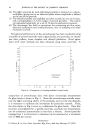
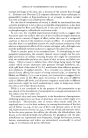
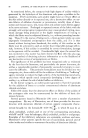
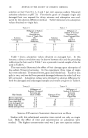
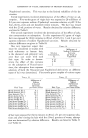
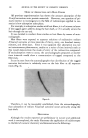
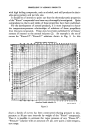
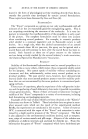
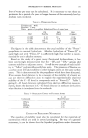
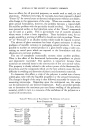
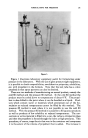
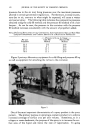
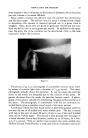
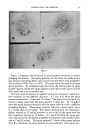
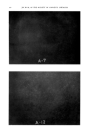
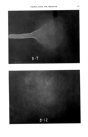
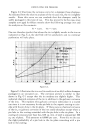
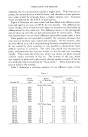
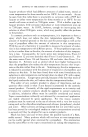
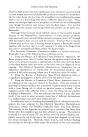
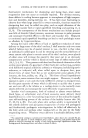
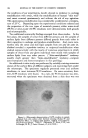
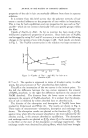
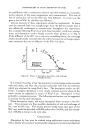
FORMULATING FOR PRESSURE 165 Figure C-2 illustrates the corrosion curve for a detergent base shampoo. As indicated from the relative analyses of the tin and iron, the tin is slightly anodic. From this curve we can conclude that this shampoo could be safely packaged in this type of can. This has proved to be the case, since samples now aged for fifteen months show the following average iron and tin analysis on the contents: Fe = 3 ppm. Tin = 5 ppm. One can therefore predict that where the tin is slightly anodic to the iron as indicated on Fig. C-2, the shelf life will be satisfactory and no container perforation will take place. Figure C-3. Figure C-3 illustrates the iron and tin analysis of an alkyl sulfate shampoo packaged in an uncoated can. The corrosion picture is similar to that shown in Fig. C-1 except that the tin analyses are slightly higher. This indicated chemical corrosion of the tin in addition to the galvanic corrosion of the iron. This explains why galvanic corrosion takes place in a coated can since it is not necessary for the pin hole in the organic coating to coin- cide with the pin hole in the tin plate. If there were no chemical corrosion of the tin, no galvanic corrosion of the iron could take place except where a pin hole in the coating coincided with the pin hole in the tin plate. In a coating of one pound per base box, 0.01 sq. min. of steel is exposed per 100 sq. cm. of plate. This amounts to 0.0001 per cent. From this we can see the slight probability of a pin hole in the tin plate coinciding with a pin hole in the coating.
Purchased for the exclusive use of nofirst nolast (unknown)
From: SCC Media Library & Resource Center (library.scconline.org)