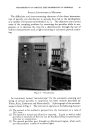
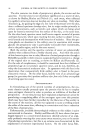
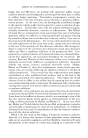
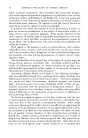
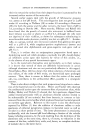
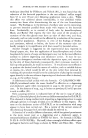
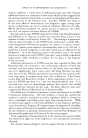
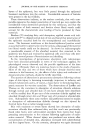
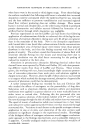
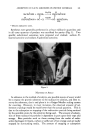
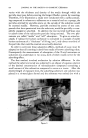
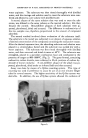
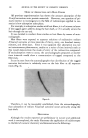
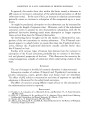
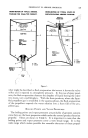
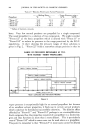
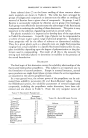
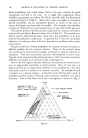
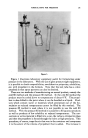
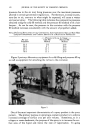
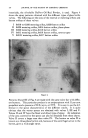
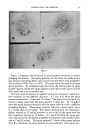
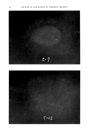
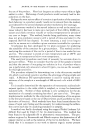
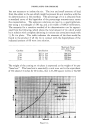
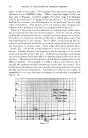
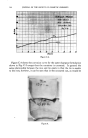
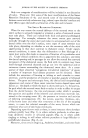
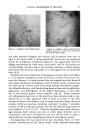
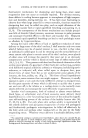
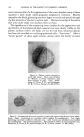
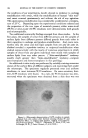
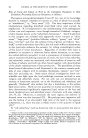
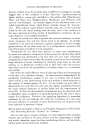
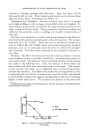
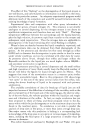
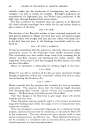
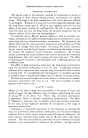
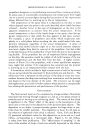
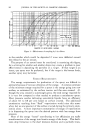
ADSORPTION OF N-ACYL SARCOSINES ON PROTEIN MATERIALS 125 water aspirator. The substrate was then rinsed thoroughly with distilled water, and the rinsings and solution used to treat the substrate were com- bined and diluted to a set volume with distilled water. A second aliquot of the same solution that was used to treat the sub- strate, was diluted to the same volume as the reacted solution this then became the control. One-milliliter aliquots of both solutions were pi- petted, plancheted, dried and assayed. The difference in radioactivity of the two samples was, therefore, proportional to the amount of compound adsorbed. The second method involved direct evaluation of the substrate itself. The substrate to be tested was subjected to an aliquot of aqueous solution of desired concentration of the compound containing the radioactive tracer. After the desired exposure time, the adsorbing substrate and solution were placed in a sintered glass funnel and the substrate was sucked dry with a water aspirator. The substrate was first rinsed thoroughly with distilled water, and then removed and dried in vacuo at 60øC. The substrate was reweighed, placed in a porcelain combustion boat and cornbusted in the presence of oxygen at 800-1000øC. (Fig. 2). The gases formed, containing radioactive carbon dioxide, were collected in 50-ml. portions of sodium hy- droxide of known molarity. A one-milliliter aliquot of the alkali was pi- perted, plancheted, dried under an infrared bulb and then assayed. Assay was done by means of a Q-Gas counting system. This type of counting was used in preference to assay by use of an end window Geiger tube for several reasons. The higher sensitivity of the Q-Gas system was desirable. In addition, the use of Q-Gas system allowed the exclusion of Figure 3.

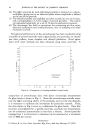
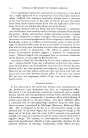
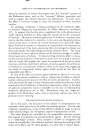
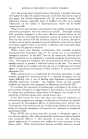
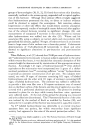
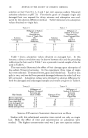
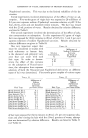
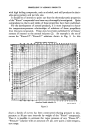
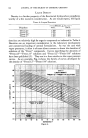
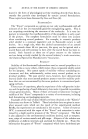
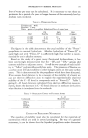
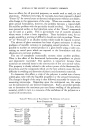
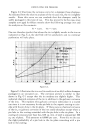
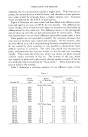
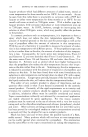
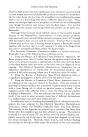
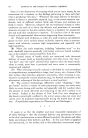
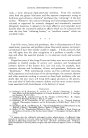
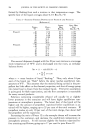
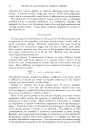
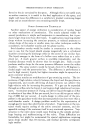
126 JOURNAL OF THE SOCIETY OF COSMETIC CHEMISTS the atmosphere from the samples being analyzed. This meant that variance of count due to changes in humidity, adsorption of water due to hygroscopicity of sample or loss of activity of sample due to exchange of the radioactive carbon dioxide with stable carbon dioxide from the sur- rounding air, could all be eliminated (Fig. 3). The precision of both methods, based on multiple runs is on the order of 4-3 per cent. ADSORPTION STUDIES ON GRANULAR'CASEIN Adsorption studies of sodium N-lauroyl sarcosine as well as sodium N- palmitoyl safcosine were undertaken on granular casein. "New Processed Casein," produced by Sheffield Farms Company, Inc., of New York City, was screened and the portion passing through a 20-mesh screen and retained on a 40-mesh screen was used in this study. Experiments on sodium N-lauroyl sarcosine were conducted at two pH values to, determine if pH affected adsorption. Since in all experiments undertaken, an aliquot of radioactive sarcosine was added to a known amount of stable safcosine, a direct correlation resulted between amount of radioactivity and total safcosine present. The results based on 50 ml. of 0.2 per cent aqueous solutions to treat one gram of granular casein for one hour, are listed in Table 1 and Table 2. The casein was rinsed with five 100-ml. portions of distilled water and dried in a vacuum desiccator. Ad- sorption was determined using both the solution difference and combustion methods. T^•LE 1 T^•LE 2 Mg of Sodium N-Lauroyl Sarcosine Adsorbed per •--Gram of Casein--• By Solution Solution By Solution pH Difference Combustion pH Mg of Sodium N-Palmitoyl Sarcosine Adsorbed per •-Gram of Casein- , By Solution By Difference Combustion pH 5 6.1 6.2 pH 7 2.2 2.2 pH 7 4.3 4.4 ADSORPTION STUDIES ON GELATIN DISCS Studies with gelatin discs were run to determine the effect of pH on ad- sorption on the medium. One-inch gelatin discs were prepared from Kodak 616 Verichrome film by alternate immersion in sodium thiosulfate solution and thorough rinsing under tap water until the film strip was clear. The strip was allowed to air-dry overnight after which one-inch discs were cut out with clean dry scissors. The discs were exposed for sixty minutes to 50 ml. of 2.0 per cent aqueous solution of stable sodium N-lauroyl sarcosine containing the necessary amount of radioactive compound for a tracer. The discs were washed with
Purchased for the exclusive use of nofirst nolast (unknown)
From: SCC Media Library & Resource Center (library.scconline.org)