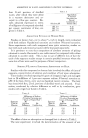
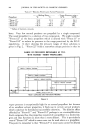
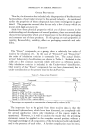
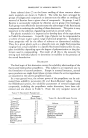
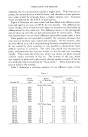
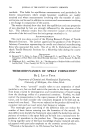
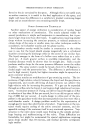
PROPELLENT IN AEROSOL PRODUCTS 143 OTHER PROPERTIES Thus far, the discussion has included only the properties of the fluorinated hydrocarbons of particular interest to the aerosol industry. As mentioned earlier the properties of these compounds have been investigated in great detail. The properties covered thus far are only a few of many which are known with high accuracy (4). Aside from these physical properties which are of direct concern in the understanding and development of aerosol products, there are several other characteristic properties which are of importance in the ultimate packaging and consumer use of these products. In this group are such properties as toxicity, flammability, stability, effect on packaging materials and solu- bility. TOXICITY' The "Freon" compounds, as a group, show a relatively low order of toxicity by inhalation (5). In the case of "Freon-IT' and "Freon-114," the order of inhalation toxicity is extremely low. The actual Under- writers' Laboratory classifications are shown in Table 5. Included in the table are a few common materials which will serve as reference points. Only inhalation toxicity is included in the Underwriters' classification. Oral toxicity of the "Freon" compounds has not been determined, but is under consideration at the present time by the du Pont Co. TABLE 5--II•HALATION TOXICITY U.L. Compound Group "Freon-12, .... Freon-114" "Freon-11," "Freon-22," CO2 Methylene chloride Carbon tetrachloride Methyl bromide Group 6--20%* for 2 hr.--no injury Group 4--2.5% for 2 hr.--serious injury Group 5--more toxic than 6 but much less than 4 Group 3--2.5% for 1 hr.--serious injury Group 2--1% for 0.5 hr.--serious injury 6 5 4--5 3 2 * Percentages are expressed as concentration of compound by volume in air. The important fact to be gained from these toxicity data is that the fluorinated hydrocarbons, which have been discussed, are completely safe for aerosol application where only inhalation of the vapors might be questioned. However, it is well to caution the reader that the preceding statement cannot be applied to the complete aerosol product without a thorough knowledge of all components of the formulation both individually and in the presence of each other. A further complication may be intro-

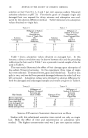
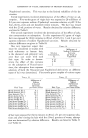
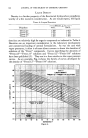
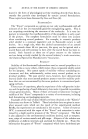
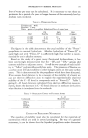
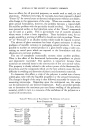
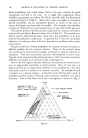
144 JOURNAL OF THE SOCIETY OF COSMETIC CHEMISTS duced in the form of physiological activity resulting directly from the ex- tremely fine particle sizes developed by certain aerosol formulations. These topics have been discussed by Gee and Fiero (6). FLAMMABIL]TY The "Freon" compounds as a group are not only nonflamma, b]e with all mixtures of air but are reasonably good fire extinguishing agents. This is not surprising considering the structure of the molecules. It is very im- portant to remember that nonflammability of the propellents is only a part of the picture. The complete formulation must be taken into account when considering aerosol products. For example, in cosmetic products ethyl alcohol is a common ingredient and its flammable nature is well known. As a rough rule, when the alcohol concentration of an aerosol product exceeds about 40 wt. pe• . cent, the spray can be ignited with a match flame and will continue to burn after the match flame has been re- moved. Such hazards as these are of great concern to the industry and are being actively studied by the aerosol industry's trade association, the Chemical Specialties Manufacturers' Association. STAB I LITY Stability of the fluorinated hydrocarbons used as aerosol propellents is a property, like so many others, which makes these compounds ideally suited for the purpose. One cannot speak of stability without considering en- vironment and this, unfortunately, makes every aerosol product an in- dividual problem. The past several years, however, have demonstrated beyond doubt that most aerosol products present very few stability prob- lems that are not encountered by the same products in conventional pack- aging methods. These years of experience, plus the experience of the refrigeration indus- try and the gathering of much laboratory data make it possible to postulate certain generalizations. Many of these are based on laboratory testing of stability of the "Freon" compounds in a variety of environments, including both formulating and packaging materials. Examples of the type of data which have been obtained at the "Kinetic" Laboratory are shown in Table 6. These hydrolysis data are given in some- what unusual units which are the result of the experimental method. Briefly, the experiments are conducted in this manner. A liter of water at 30øC. is saturated with the vapor of the "Freon" and saturation is main- tained by a slight positive pressure of the "Freon" compound. The flask is also adjusted to the environmental conditions desired, such as tempera- ture, strips of various metals and pH range. Aliquots of the solution are withdrawn at definite intervals and analyzed for chloride ion. From this information the grams of "Freon" compound which have hydrolyzed per
Purchased for the exclusive use of nofirst nolast (unknown)
From: SCC Media Library & Resource Center (library.scconline.org)