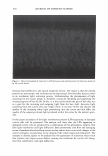
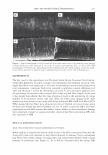
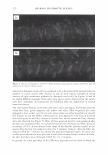
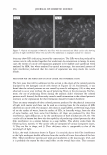
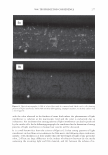
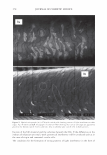
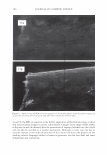
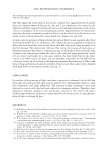
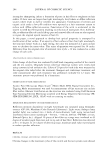
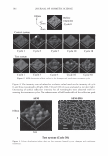
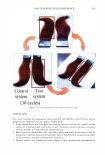
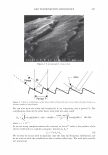
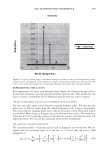
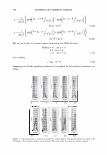
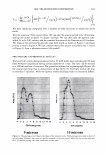
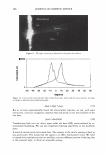
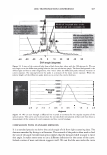
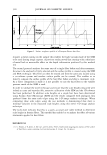
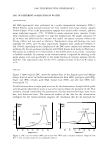
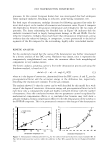
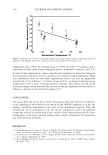
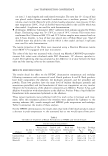
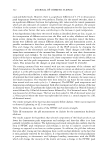
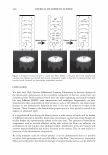
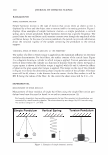
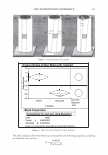
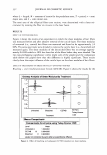
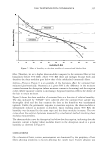
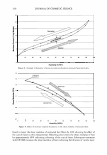
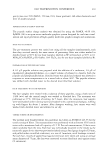
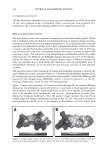
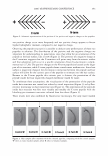
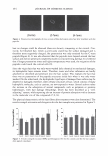
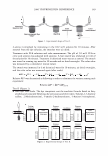
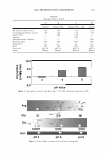
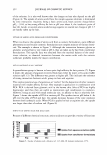
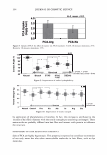
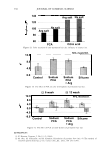
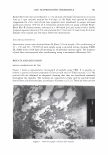
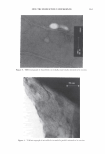
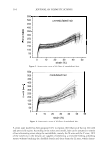
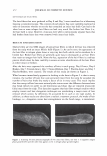
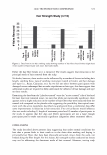
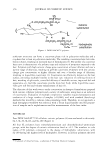
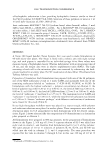
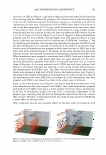
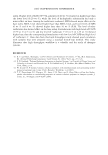
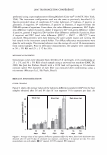
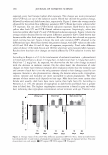
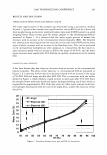
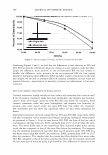
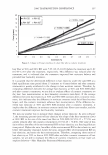
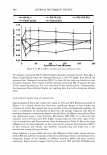
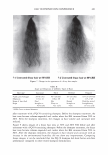
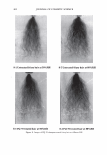
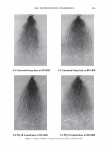
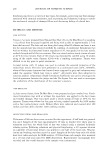
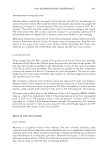
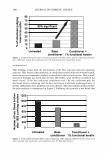
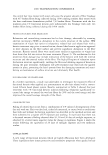
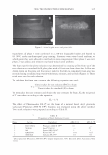
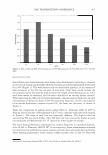
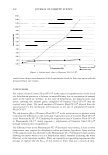
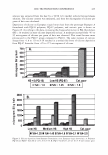
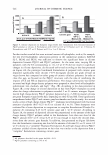
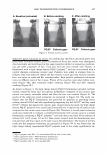
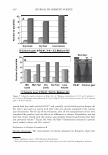
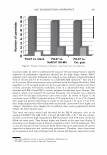
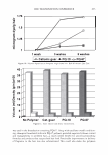
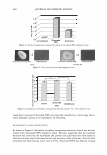
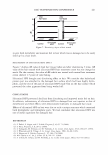
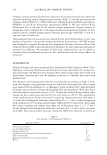
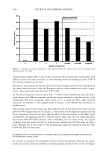
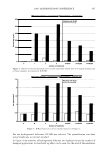
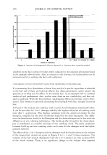
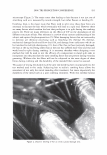
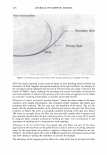
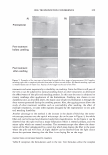
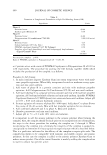
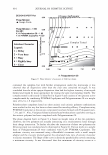
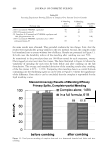
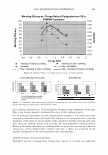
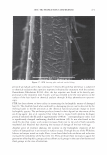
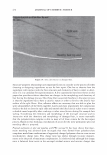
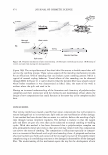
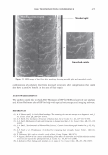
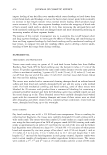
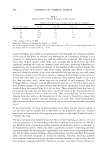
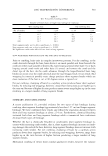
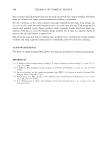
372 JOURNAL OF COSMETIC SCIENCE SEPARATION OF HAIR FIBERS The hair fibers that were gathered at Day O and Day 5 were transferred to a laboratory housing a stereomicroscope. The contents of each plastic bag were carefully examined in order to determine whether or not the hair contained an intact hair bulb. Care had to be taken here as some telogen hair fibers can look very much like broken hair fibers (i.e., the hair bulb is tiny). However, clinicians were able to meticulously separate hairs that had broken from hairs that were removed with intact hair bulbs. RES UL TS AND DISCUSSION Shown below are two SEM images of typical hair fibers in which the hair was removed from the scalp with an intact follicle bulb (Figure 1). As can be seen, the appearance of the hair fiber in telogen phase shows a very tiny hair bulb which can be mistaken for a broken hair. Broken hair fibers are generally quite easy to distinguish as are hair fibers that retain an anagen hair bulb. None-the-less, separation of the hair fibers is a tedious process which must be done carefully to assure accurate identification of the hair fibers as either intact or broken. After the hairs were separated the numbers of hairs in each group, Day O Intact, Day 0 Broken, Day 5 Treated-Intact, Day 5 Treated-Broken, Day 5 Placebo-Intact and Day 5 Placebo-Broken, were counted. The results of this study are shown in Figure 2. What becomes immediately apparent in looking at the data in Figure 2 is that in every instance, the number of hairs that were extracted intact from the scalp far exceeded the number of hairs that broke (by nearly a factor of six in every case). This result implies that the concept of hair loss must seriously take into account the difference between hairs that break (which we prefer to call brittleness) and those that are removed (extracted) fully intact from the scalp. This data also suggests that hair fiber strength studies which employ tresses and hair elongation techniques are overlooking a major route of hair removal which cannot, by definition, be accounted for in such ex vivo type studies. In addition, as these results are taken from a realistic treatment protocol, the mode of hair breakage, i.e., elongation versus hair entanglement on the brush tangs, is minimized. Figure 1. Scanning electron phoromicrographs of two intact hair fibers, one that is in apparent anagen phase growth (left) and the other that appears to be in telogen phase growth (right).

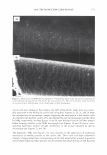
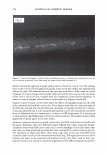
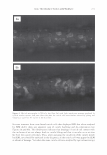
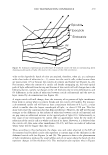
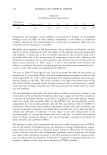
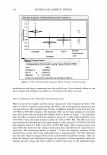
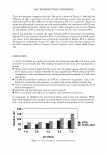
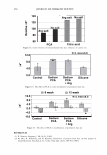
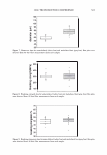
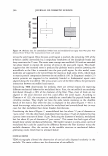
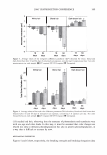
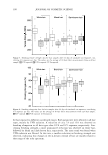
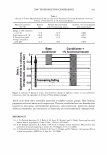
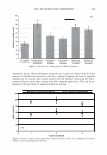
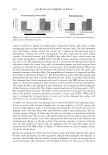
35 i 30 o 25 E � 20 e! 15 ca 10 =It 5 0 Q ...!. ;: II) 0 II) 13 �:5 � Cl I LL nl cc 2006 TRI/PRINCETON CONFERENCE Hair Strength Study (n=15) 13 II) :c 13 11= o .J, LL ,Q � 3: II) � II) .c - II) .Q . 15 in LL iu'l 373 1ii II) II) .J, '+ � , II) 0 nl 13 LL 0 il Fi gu re 2. Data from in vivo hair combing study showing numbers of hair fibers found broken (light bars) verses number of hairs found with intact hair bulbs (dark). Either the hair fiber breaks or it is extracted. The results suggest that extraction is the principal mode of hair removal from the scalp. No doubt, however, these results can be influenced by a number of factors including hair length, combing force, type of combing instrument (comb or brush), and hair damage and type (i.e., Asian, Caucasian, etc). As we did not select between participants with damaged versus undamaged hair or make stipulations on hair type, this does suggest that additional studies are required to fully understand the influence of hair damage and type on these results. Examining the data from the "placebo-treated" verse the "active-treated" side of the head for hairs that were removed intact, we note that while not statistically significant, there appears to be a slight reduction in the number of hair fibers that were extracted from the treated side compared to the placebo side suggesting the possibility that topical treat- ment with the active ingredients described via application from a conditioner does offer some improvements in reduction in hair extraction. Two critical factors would influence this test result including 1) length of treatment period and 2) number of participants in the study. It appears that five days and fifteen participants are not a large enough participant pool to make statistically significant judgments about treatment effects. CONCLUSIONS The study described above presents data suggesting that under normal conditions the hair that a person finds in their comb or in the drain after washing and drying is principally hair fibers that have been physically extracted, intact, from the scalp, not broken along the fiber length. For this reason, hair strength studies conducted on tresses may not be addressing the dominant mode of hair removal. However, testing scalp
Purchased for the exclusive use of nofirst nolast (unknown)
From: SCC Media Library & Resource Center (library.scconline.org)