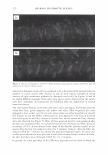
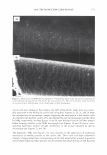
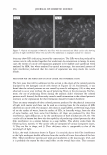
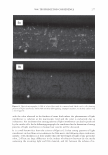
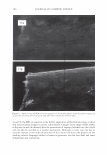
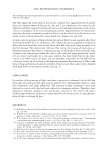
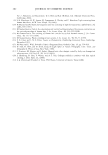
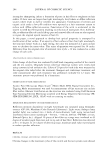
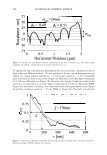
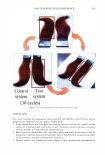
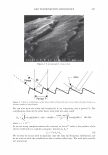
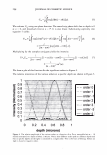
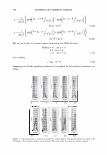
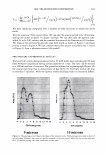
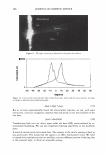
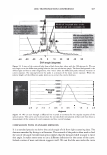
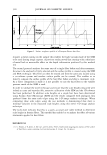
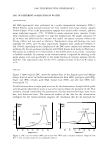
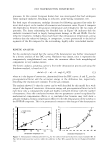
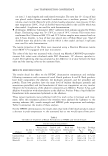
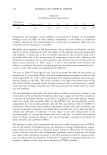
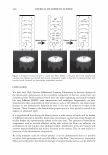
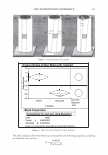
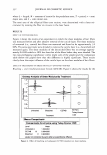
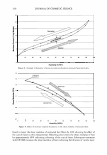
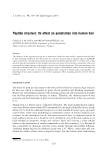
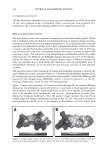
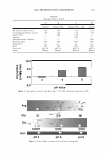
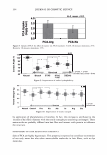
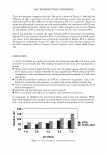
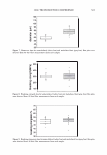
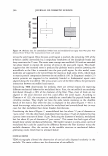
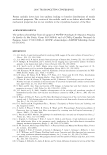
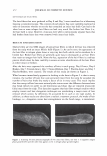
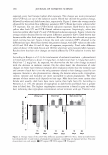
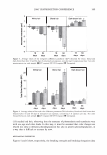
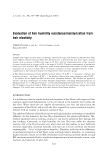
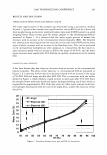
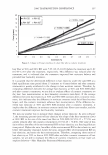
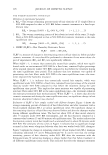
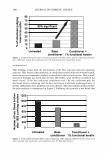
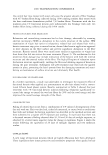
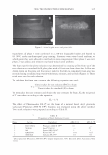
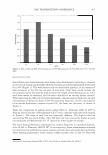
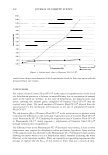
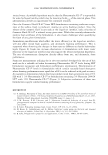
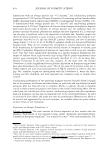
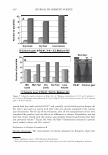
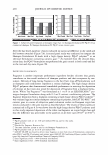
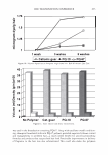
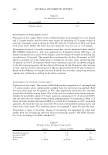
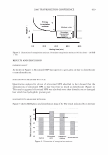
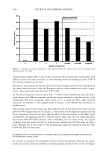
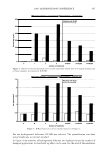
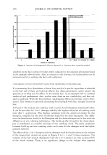
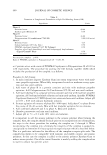
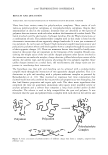
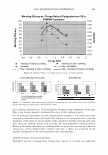
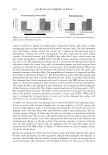
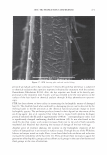
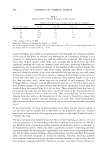
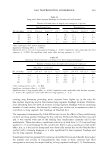
334 JOURNAL OF COSMETIC SCIENCE -- ~ - Oneway _ Analysis o!_Shear Modulus By Treatment 1.4 1.3- -..- 1.2- .. � 1.1- i- 1- ,:. ni 0.9- f I . . ...·-r -, ---.&!._ ma.a- . ': . - . _,.==-=- •• 0.7- - I' - -.• 0.6- i - : 0.5 0 8 I I Untreated Bleached PQ-10 All Pairs Treatment : M!�_ns Co�parisons ....... - -·-- - Tu key-Kramer 0.05 ! .. ·--·�-- __- ., ' -- : C��p��-�-�ns for al�_ p�irs _using Tukey-��-n:!.!r. I:!�� J Level Mean Untreated A 1.0606249 PQ-10 B 0.7924175 Bleached C 0.7211900 Levels not connected by same letter are significantly different. Figure 6. Effect of bleaching and subsequent PQ-10 treatment on shear modulus. molecules are too large to penetrate into the cuticle layer (4) and merely adhere to the outer surface and therefore, less effective in fortifying the fiber structure. EFFECT OF MOISTURE ON UNTREATED AND BLEACHED HAIR Water is one of the simplest and best known "plasticizer" which softens hair fibers. The effect of relative humidity surrounding the fibers, was investigated by measuring the torsional behavior after equilibrating the fiber at different humidity levels from less than 10% RH to 80% RH or higher. The humidity effect on the shear modulus of untreated hair (solid lines) and of bleached hair (dashed lines) is shown in Figure 7. For untreated hair, the effect is sizeable with shear moduli in excess of 1.5 GPa at low humidity levels (10% RH or less) and drops steadily to about 0.7 GPa at 90% RH. The effects are even more extreme for bleached hair with shear moduli in the vicinity of 2.0 GPa at 10% RH and dropping below 0.5 GPa in the 80% to 90% RH range. These responses were very rapid when the humidity was changed indicating that equilibration of single fibers is quite fast. The interesting feature in Figure 7 is that the Sorption isotherm of the bleached hair crosses that of the unbleached hair at approximately 55% RH. Bleached hair has more negative changes from cysteic acid formed by disulfide cleavage. They can form salt linkages with the positive charges in the protein. At low humidities these salt linkages become strong and their number is higher than those in the unbleached hair

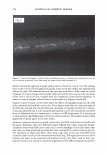
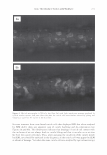
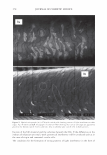
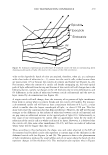
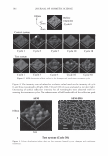
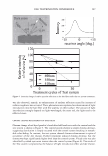
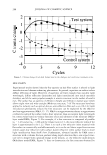
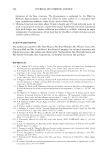
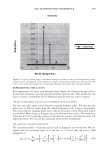
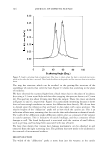
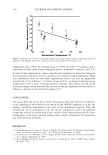
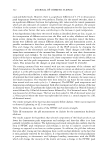
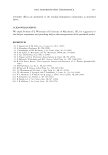
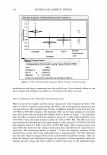
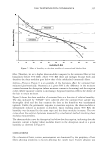
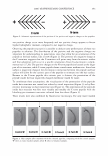
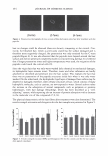
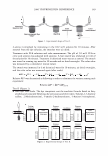
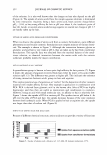
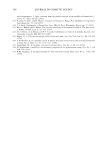
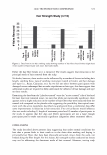
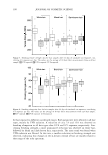
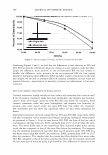
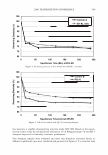
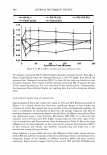
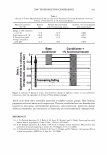
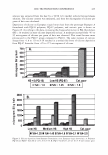
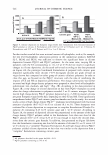
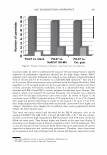
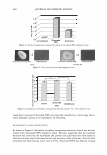
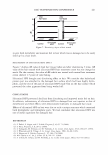
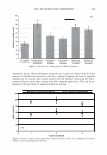
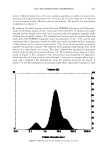
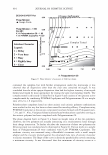
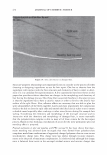
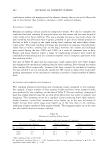
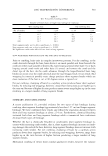
ca D.. 2006 TRI/PRINCETON CONFERENCE 335 � 1.5 +---------------''-..il.:---........,.......c-- _ _ _ _______ _ _____ ___ --t CIJ ::, :i -0 0 ... cu Cl) .c U) o---------------------,------------------- 0 10 20 30 40 50 60 70 80 90 100 Humidity(% RH) Figure 7. Effect of humidity on the shear modulus of untreated and bleached hair. fiber. Therefore, we see a higher shear modulus compared to the untreated fiber at low humidities (below 55% RH). Above 55% RH these salt linkages become weak and therefore the shear modulus goes below that of the unbleached (untreated) fibers. Sorption-Hysteresis. Figure 8 is an example of the hysteresis effect for untreated hair measured gravimetrically. Hysteresis at a given RH is the difference in the moisture content between the desorption (where moisture content is decreasing) and the sorption curves (where moisture content is increasing). Sorption hysteresis reflects the ability of the hair to retain moisture. Figure 9 shows the shear modulus of untreated hair as a function of relative humidity. The data indicated by "ST ART" were collected after the untreated hair sample was thoroughly dried and the line connects the data as the humidity was incremented upwards. Unlike the gravimetric response to moisture sorption, the shear modulus is substantially reduced as moisture is absorbed. Upon reaching almost 90% RH, the humidity was decreased by the same steps and the shear modulus increases. The two curves show the sorption hysteresis measured by a mechanical method involving shear modulus measurements. The shear modulus curve for desorption lies below that for sorption, indicating that the moisture content is higher (shear modulus lower) in the desorption mode at a given humidity as observed in Figure 8. CONCLUSIONS On a theoretical basis, torsion measurements are dominated by the periphery of hair fibers allowing sensitivity to factors affecting the cuticle layer. Cuticle abrasion was
Purchased for the exclusive use of nofirst nolast (unknown)
From: SCC Media Library & Resource Center (library.scconline.org)