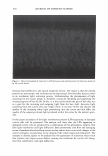
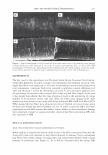
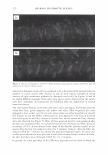
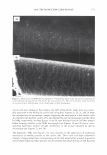
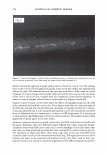
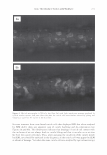
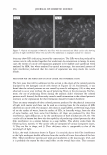
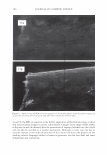
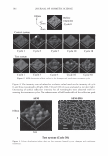
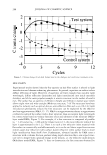
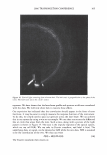
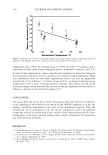
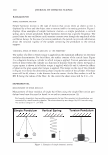
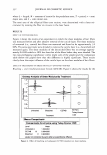
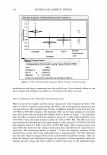
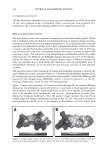
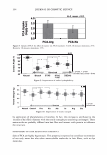
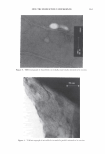
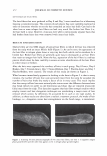
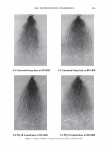
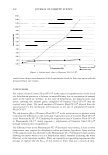
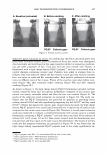
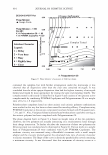
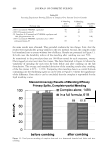
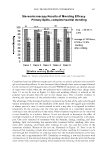
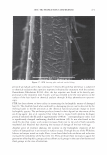
406 JOURNAL OF COSMETIC SCIENCE beneficial properties to a variety of hair types, for example, protecting hair from damage associated with chemical treatments, such as perming and relaxation, helping to restore the mechanical strength of damaged fibers and decreasing fading of colored hair. MATERIALS AND METHODS HAIR SOFTNESS Tresses (-3g) were prepared from Natural Red Hair (20 cm, De Meo Bros.) by weighing -3.3g of hair from the pigtail supplied and fixing with a cable tie approximately 2.5 cm from the butt end. The butt end was then glued using Ados F2 adhesive and once it was dry the unstuck hair was removed carefully by combing. A conditioner formulation (3g) with or without the functional keratin ingredient (1 %), was applied to the hair tresses, worked through and left for two minutes. Hair was rinsed under a steady stream of water at 40°C for two minutes. Each of the tresses was reproducibly combed using 10 strokes using of the tensile tester (Instron 4204) with a combing attachment. Tresses were allowed to air dry prior to panel assessment. A panel testing with 12 judges was used to evaluate the sensorial properties of the treated hair tresses. The tests were performed in a conditioned room (20°C, 60%RH), where all hair tresses (untreated and treated) were compared in pairs and volunteers were asked the question "which hair tress is softer?" All results were then subjected to statistics analysis. A Spearman's Rank Correlation Coefficient was used to investigate the level of agreement between the judges and the Chi-Square Test was used to investigate the uniformity of the distribution of the volunteer's answers. HAIR BREAKAGE 3g hair tresses (Asian, from De Meo Bros.) were prepared and pre-combed wet. Condi- tioner formulation (3g) with or without the ingredient, was applied to the hair tresses and worked through. Hair was rinsed under a steady stream of water at 40°C for two minutes. Tresses were allowed to dry prior to being combed manually for 1600 strokes with a fine toothed plastic comb. Broken fibers were collected and counted after 400 strokes and then after a further 1200 combing strokes. PROTECTION DURING HAIR RELAXATION Volunteers of African decent were recruited for the experiment. A half head test protocol was used. Samples of the hair (approximately 30 mm in length) were taken prior to relaxation and then the whole head of hair was relaxed using a standard hydroxide relaxing system. Following relaxation and physical lengthening, a 4% aqueous solution (as supplied) of functional keratin was applied to one half of the head only. Neutral- ization and washing was then carried as usual. Samples of the hair from each side of the head were taken and sent for SEM analysis. 20 fibers from each sample were mounted on a 20 mm stub and coated for SEM observation. Representative micrographs were recorded and the overall features of the samples were summarized.

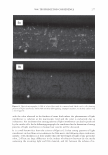
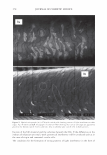
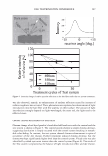
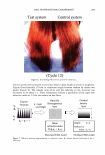
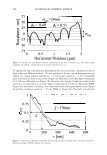
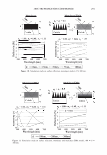
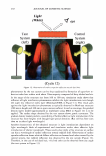
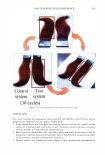
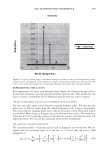
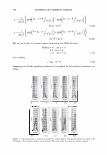
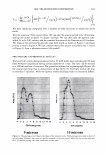
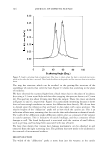
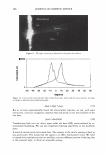
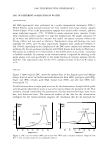
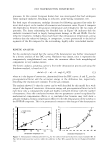
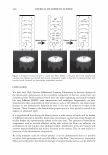
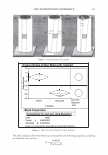
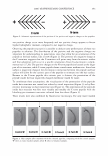
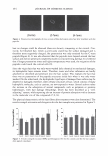
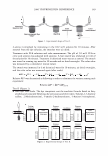
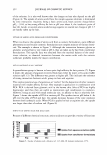
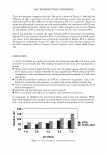
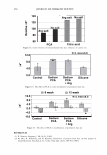
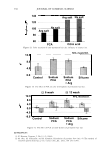
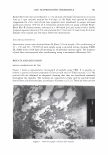
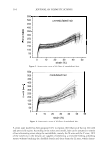
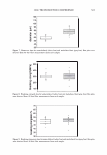
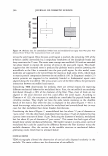
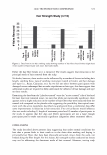
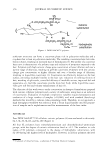
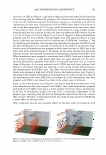
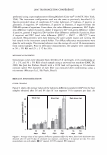
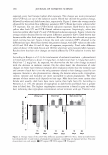
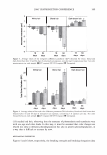
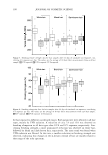
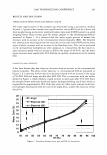
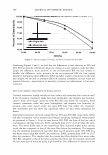
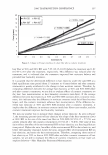
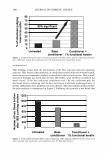
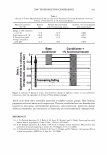
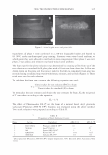
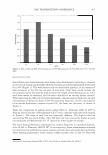
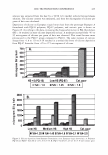
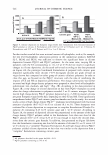
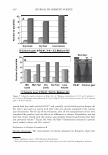
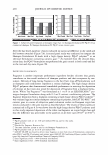
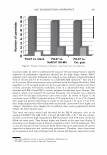
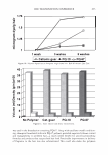
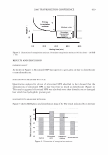
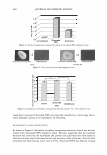
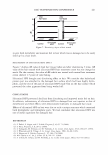
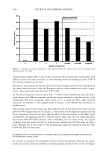
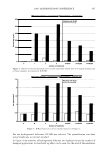
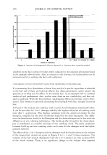
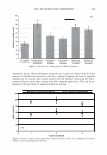
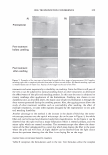
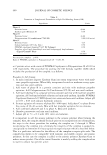
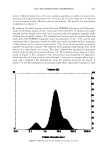
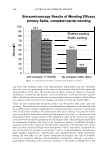
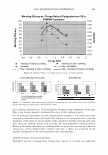
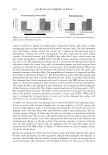
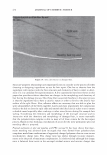
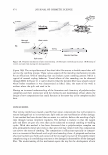
2006 TRI/PRINCETON CONFERENCE 407 POSTTREATMENT OF RELAXED HAIR Lithium relaxer cream (0.4g) was applied to the afro hair switch (0. lg) and massaged in until it was well covered. The cream was left for 20 minutes and tension was applied by massaging 10 times at 5 minute intervals. The hair was rinsed in water at 40°C for 2 minutes. The switch was then washed with 0.4g of neutralizing shampoo and rinsed. The switch was either left in water (control) or placed in an aqueous solution of 1 % functional keratin (as supplied) for 2 minutes, rinsed and allowed to dry overnight. Mechanical testing was carried out on 50 hair fibers randomly sampled from each of the switches. Fibers were wet for at least 30 minutes prior to measurement. Each fiber was placed in the grips of the tensile tester (Instron 4204). Individual hair fibers were extended at a constant rate (100%/min) until rupture and the force was recorded. COLOR PROTECTION Virgin human hair (De Meo, natural red) was dyed with Colour Cream and developer Perfectone 66/46 Cherry Red (Wella) using the procedure described on the packet. All hair was dyed together according to the instructions (12.5g of color cream was mixed with 10g of color cream developer). The mixture was applied to the hair, completely covering the sample and left for 30 minutes for color development. The hair was then washed in 40°C water until no further color washed out. The hair sample was air dried and separated into 3g tresses. The treatment conditions were: Control-dyed and exposed UV light and washing. Keratin treated-dyed, treated with a conditioner base containing 1 % functional keratin (using a rinse-off protocol) prior to exposure to UV light, and washing. Conditioner base treated-dyed, treated with conditioner base prior to UV light exposure, and washing. All tresses were washed prior to and following 24 hrs of UV exposure (MBTF 1 000W lamp in a light box). Conditioner with 1 % functional keratin or the base was applied prior to each 24 hr UV exposure, using a rinse off protocol. 24 hours of UV is the equivalent to -10 days of New Zealand summer sunlight. The application, UV, washing procedure was repeated 3 times to give a total of 72 hrs of UV light exposure. L*a*b* measurements were made at each 24 hr interval. RES UL TS AND DISCUSSION HAIR SOFTNESS Moisture is a significant factor in hair softness. Dry hair is brittle, and feels coarse compared with soft hair which has greater flexibility and can accommodate bending and extension more easily. Panel assessment involving 12 volunteers showed that addition of functional keratin to a conditioner gave hair a softer feel (see Figure 1). This increase in softness arises from ability of the functional keratin to protect the natural structure of the hair, and in doing so assist the hair in retaining moisture.
Purchased for the exclusive use of nofirst nolast (unknown)
From: SCC Media Library & Resource Center (library.scconline.org)