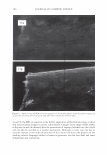
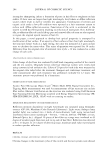
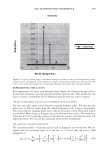
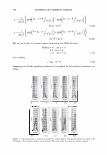
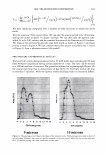
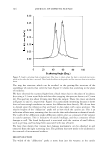
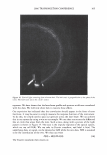
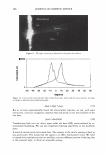
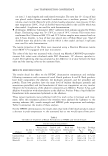
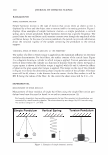
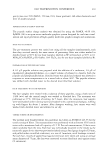
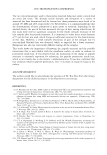
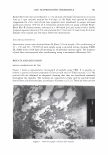
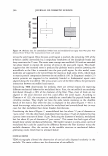
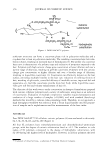
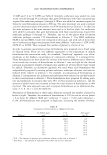
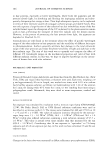
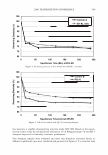
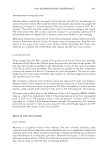
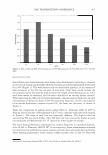
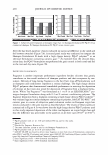
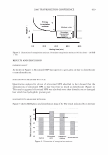
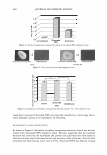
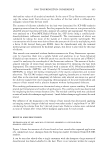
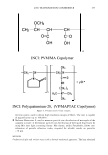
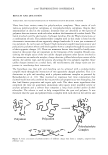
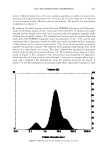
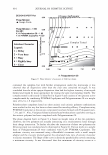
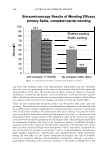
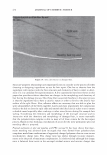
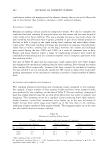
2006 TRI/PRINCETON CONFERENCE OCH3 I CH 2 -CH-CH--CH--- I I O=C C=O I I OH OH INCi: PVM/MA Copolymer n 455 INCi: Polyquatemium-28, (VP/MAPT AC Copolymer) Figure 3. Polymers used to form complex. electron source, used to obtain high resolution images of fibers. The unit is capable of magnification up to 100,000x. • Malvern Mastersizer S, used to measure particle size distribution of microgels of the complex in water. It determines particle size distribution of the liquid dispersions by using Mie laser light scattering theory. Mie theory, unlike Fraunhofer, allows con- sideration of particle refractive index, required for reliable results on particles l0µm. METHODS Production of split ends on hair tresses with a thermal-mechanical apparatus. The hair obtained

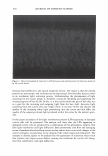
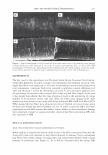
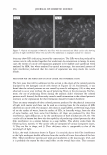
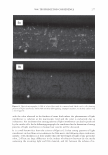
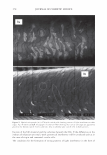
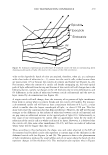
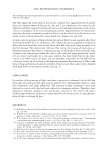
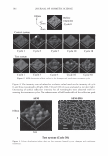
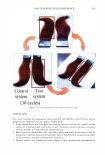
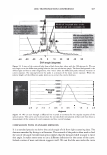
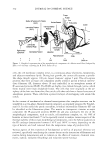
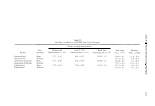
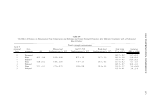
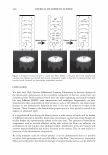
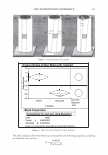
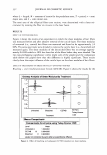
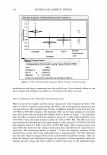
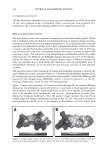
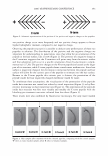
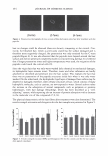
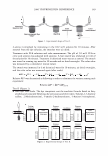
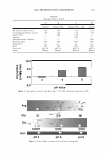
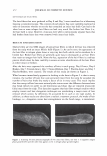
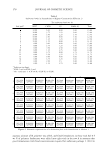
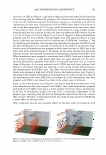
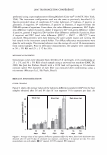
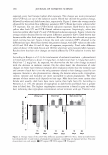
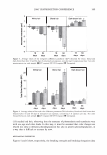
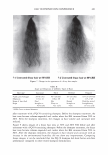
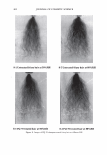
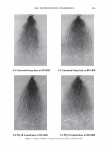
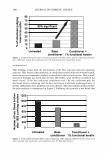
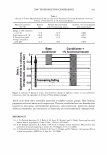
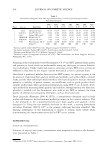
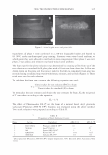
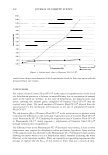
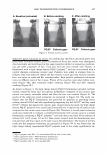
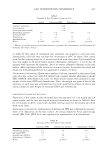
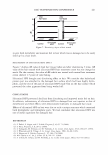
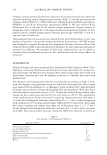
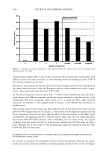
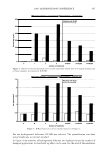
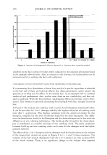
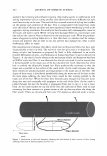
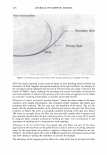
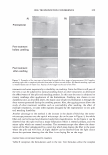
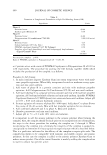
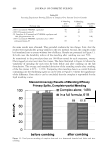
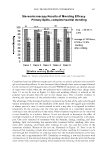
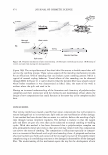
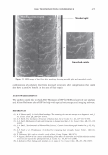
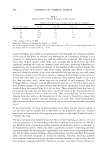
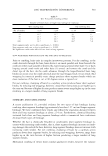
456 JOURNAL OF COSMETIC SCIENCE from International Hair Importers is essentially received undamaged. In order to start the experimentation, hair needs to be damaged to create split ends for repair. This is accomplished with a thermal/mechanical styling apparatus. This apparatus consists of two vent brushes that are attached to a cylindrical mixing blade. This is made to rotate with a mixer situated in a horizontal instead of its' normal vertical position. The mixer is adjusted so that it is made to rotate at 75 rpm against a hair tress. This treatment equates to approximately 9,000 brush strokes an hour. Simultaneously, the hair is subjected to the hot air of a blow dryer which is situated to keep the hair against the brushes during rotation. This treatment simulates what a consumer does during the styling process. This apparatus has been previously used for assessing the ameliorating effects of conditioning agents against the damage incurred by both thermal and me- chanical stress (10). Prior to attaching the hair to the apparatus it is first dampened by rinsing for 10 seconds with warm tap water and combed through with a plastic comb to remove any snags. The hair tress is then put on the thermal/mechanical apparatus. The hair tress is subjected to this thermal/mechanical stress for 1.5 hours at 75 rpm. The hair blow dryer is set at warm and low fan and is pointed at the middle of the tress. The brush is set to a position to traverse at least ¾ of the tress length. At the end of the process, the hair tress is examined under low magnification to confirm that it is easy to find 20 split ends across the hair tress. If not, then more brushing is done until a satisfactory number of split ends are produced. Pretreatment procedures. A split end fiber is isolated in the tress with the use of a mag- nifying glass and tweezers. The fiber is labeled at its root end. Split end fibers are chosen uniformly distributed throughout the tress. A dot is drawn with a red permanent marker slightly before the beginning of the split to later determine if the split broke off after combing. This procedure is repeated for 20 split ends for each tress. A total of five tresses are tagged in this way for a total of 100 fibers. This is the quantity of split ends for the study of one formula and provides a statistical basis for the results. Pictures of each split end are taken under the stereomicroscope at 20 x. The digital pictures for all of the 100 split end fibers are saved and their files are labeled as pretreatment. Data is tabulated in a chart as is illustrated in Table I. The following scoring system is used for future quantification of split end repair: end split = 1 no split = O partial split = 0.5. The different degrees of splits are illustrated in Figure 4. First there is the major split which is termed primary. A split end within a split is termed secondary. Finer splits at the tertiary level are also observed at the 20x magnification. Each type of split is scored and tabulated in each step of the process. In this experiment only primary split end mending will be reported since this is observable with the naked eye and has the most effect on whole hair attributes. Posttreatment and without subjecting the tress to combing. The tresses are first washed with 3% Ammonium Lauryl Sulfate solution for one minute and then rinsed well. The excess water is removed from the tress and 0.50 grams of the test composition is added to each tress and distributed uniformly with the help of combing. The tresses are then allowed to air dry. When the tresses are dry they are gently stroked to break any adhesion of the fibers from the effects of the treatment. As in the pretreatment step, pictures are again taken under the stereomicroscope for each of the 100 tagged fibers and their digital pictures are filed and designated as post treatment before combing. Split end mending assessment is again tabulated in the chart in Table I.
Purchased for the exclusive use of nofirst nolast (unknown)
From: SCC Media Library & Resource Center (library.scconline.org)