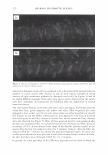
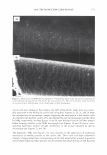
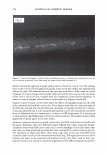
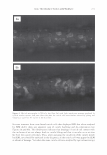
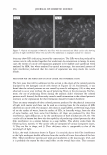
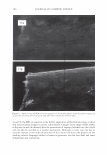
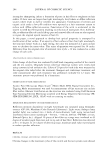
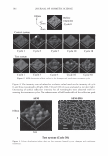
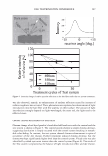
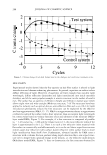
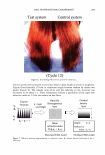
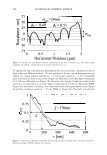
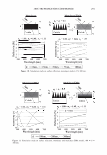
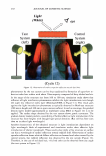
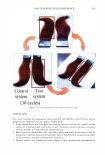
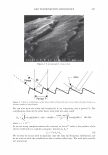
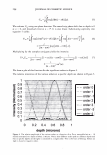
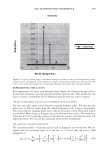
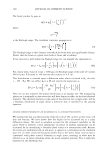
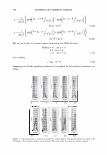
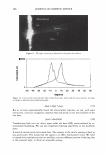
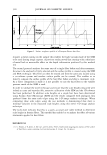
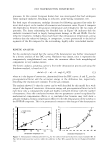
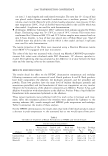
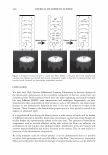
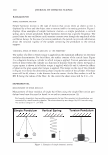
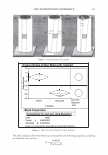
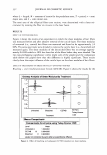
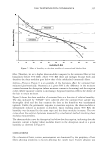
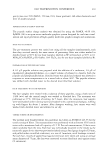
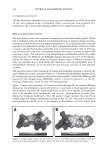
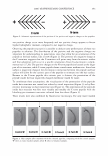
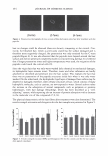
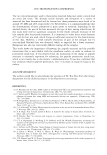
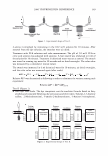
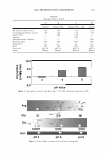
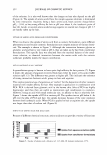
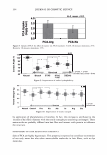
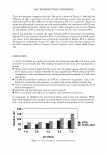
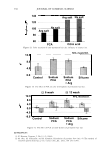
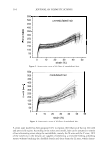
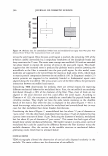
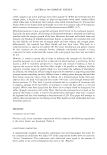
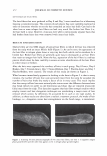
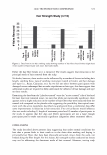
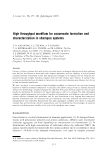
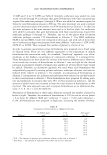
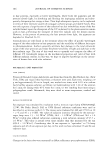
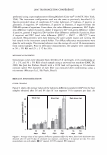
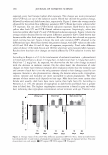
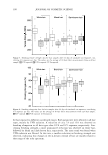
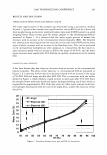
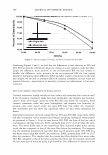
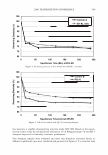
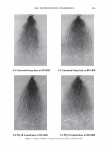
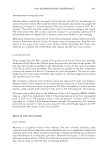
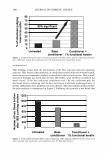
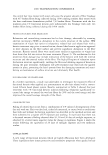
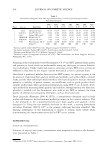
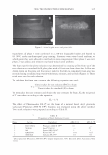
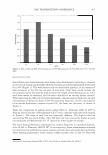
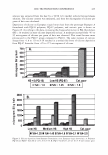
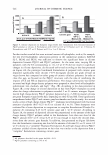
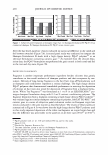
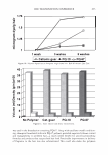
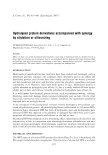
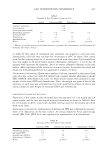
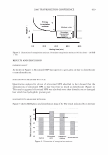
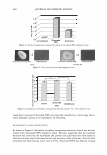
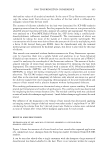
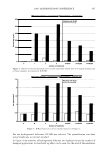
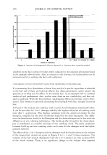
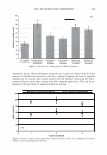
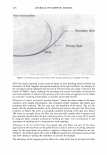
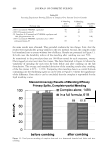
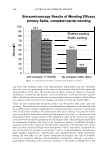
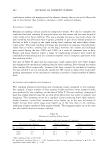
100 90 80 C 70 =s C 60 G) :Ii 50 C 40 G) 30 G) 20 10 0 2006 TRI/PRINCETON CONFERENCE Stereomicroscopy Results of Mending Efficacy Primary Splits, complete+partial mending 95 467 Ave. = 93.3% +/- tress 1 tress 2 tress 3 tress 4 tress 5 �before com bing � after com l: - insj 2.4% ➔ average of 100 fibers, 67.6%+/-12.6% mending after combing Figure 12. Variance of mending efficacy for five tresses used in one experiment. Complexes based on different weight ratios of cationic to anionic polymer were tested for split end mending efficacy. It was discovered that although there were microgels formed by the interaction of Polyquaternium-28 and PVM/MA Copolymer, an optimal amount of repair was evident when the two polymers were combined when their charge ratios were 1:1 as can be seen in Figure 14. Split end mending efficacy is reduced as the polymer ratio deviates from the one to one charge ratio. This is further evidence in showing the importance of the polyelectrolyte complex in mending split ends. The advantage of the developed method is to determine the fate of the split ends through various treatments that test the durability of the mend. Since the tagged split end fiber is always part of a tress it can be treated in such a way that it is exposed to realistic treatments. In the previous case the tress was subjected to a controlled amount of combing to test the durability of the mend. Other treatment regimens can be conceived to test durability in a realistic fashion. A test was devised to determine the effect of multiple treatments of the formula with the complex and its removability with sham- poo. One cycle consisted of treatment with the formula, drying, combing, and then washing. Split end mending was assessed after treatment before combing, after treat- ment after combing, and finally after washing for one, two and five cycles of the treatment schedule. Results of the test are illustrated in Figure 15. First it can be observed that mending is high after treatment but before combing for treatment cycle one through five. Durability to combing stress over the multiple treatment cycles stays the same and is approximately 60%. Durability to washing is low and decreases with continued use. It was observed during the mending tabulation that the split ends became more severe with continued washing which explains the lowering of the percent mend-

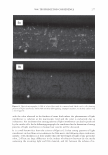
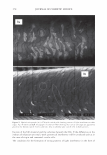
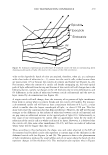
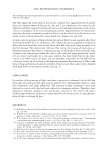
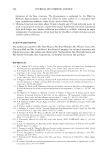
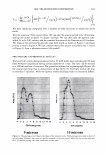
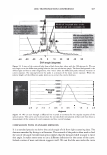
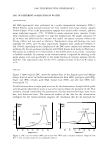
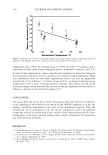
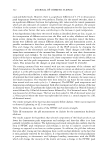
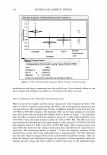
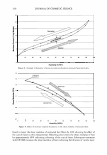
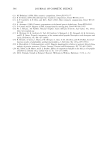
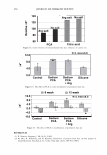
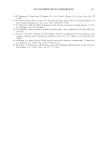
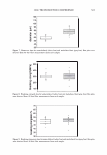
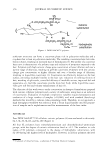
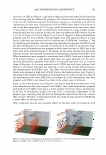
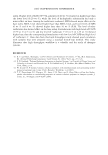
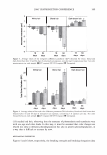
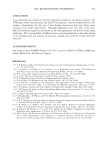
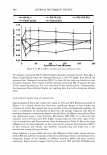
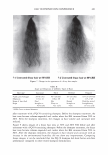
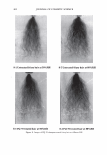
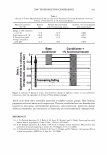
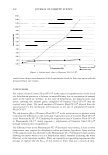
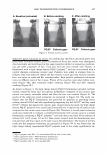
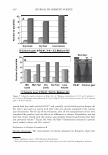
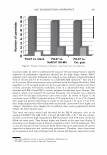
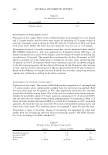
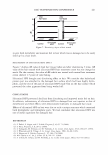
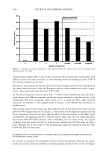
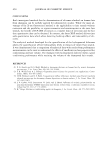
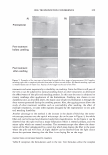
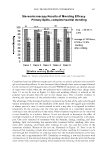
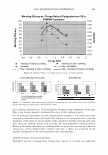
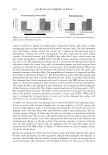
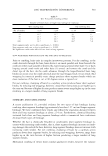
468 100 90 80 70 ?ft. 60 C "'C 50 C 40 � 30 20 10 0 JOURNAL OF COSMETIC SCIENCE Stereomicroscopy Results of Mending Efficacy primary Splits, complete+partial mending '21 before combing '//�".I--- - --- - - - - 67.6 � after combing 50.4 with complex(11110-61B) No complex( 11203-152A) Figure 13. Total percent mending of formula with complex vs control. ing scores after multiple wash cycles. Measurements taken before and after treatment after one cycle are approximately the same as the previous data and show again the reproducibility of the data. The implications of these conclusions related to consumer performance include that the product can be claimed that it will not have the negative effects of build up with continued use and that product directions should include adding the product to the hair after every shampoo in order to obtain the desired effect. There are few commercially available products on the market that claim split end mending. The one found was tested as a benchmark for performance to the formula with the polyelectrolyte complex. Although the commercial product was able to mend split ends initially after treatment, the mends failed after post combing. Total percent mend- ing is considerably lower after combing for the commercial product vs. the formula with the polyelectrolyte complex (Figure 16A). Durability index of the commercial product is much lower especially for primary split ends (Figure 16B). The mechanism responsible for temporarily mending split ends in the commercial product is probably through a lowering of the surface energy of the fibers after treatment. The damaged parts of the fibers are then attracted through weak hydrophobic bonds. Ingredients responsible for this are the blend of silicones in the product such as cyclopentasiloxane, dimethicone, alkyl modified dimethicone, dimethiconol, and amodimethicone. Other ingredients having the same effect are the cationic surfactants and organic oils refer to methods section for ingredient labeling. This hydrophobic mechanism, although it provides a high degree of mending, fails to provide durability to the mend as exemplified in the
Purchased for the exclusive use of nofirst nolast (unknown)
From: SCC Media Library & Resource Center (library.scconline.org)