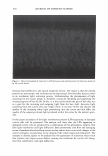
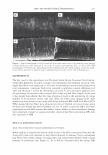
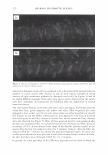
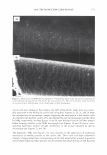
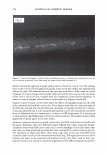
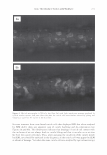
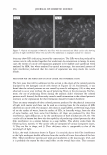
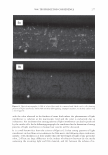
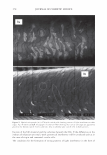
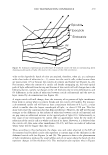
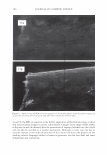
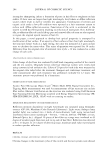
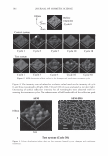
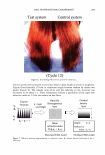
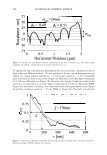
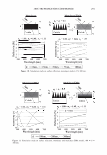
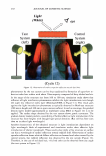
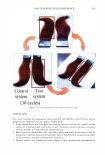
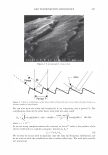
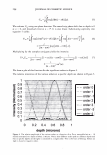
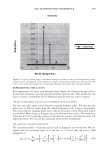
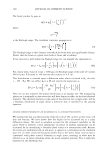
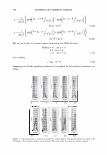
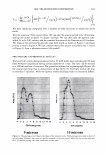
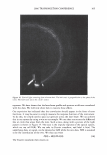
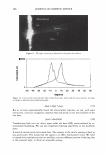
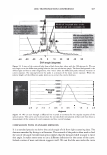
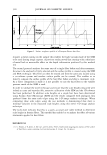
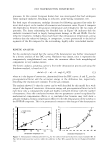
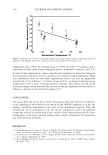
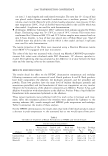
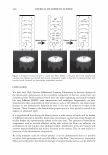
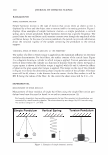
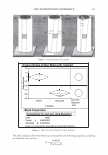
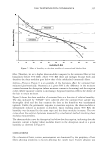
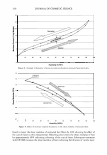
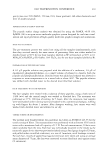
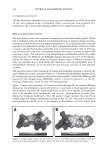
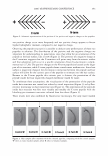
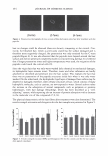
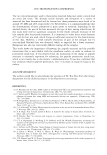
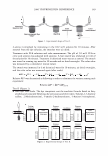
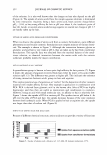
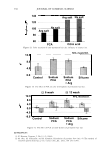
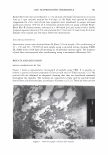
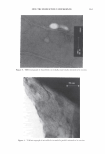
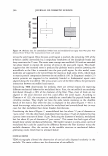
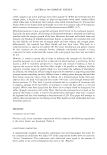
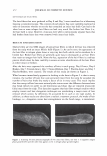
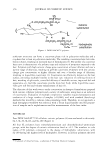
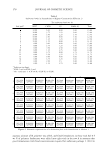
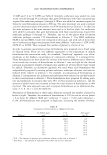
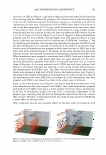
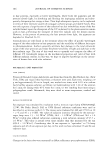
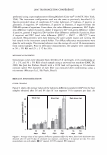
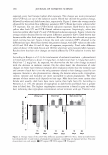
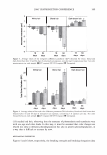
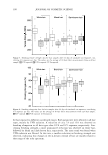
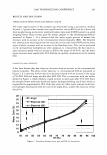
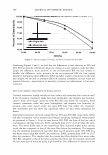
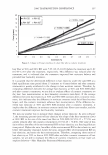
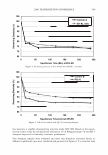
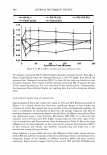
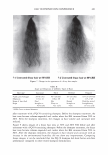
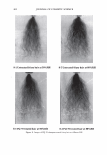
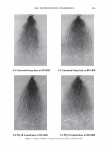
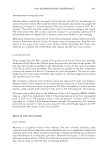
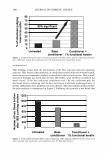
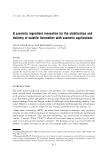
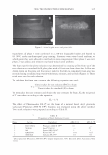
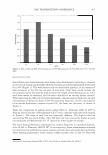
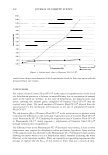
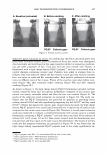
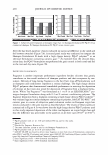
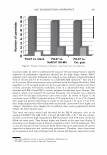
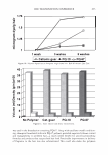
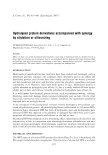
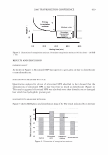
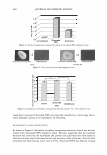
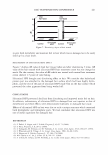
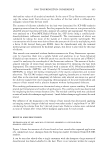
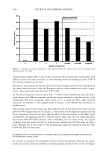
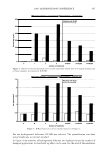
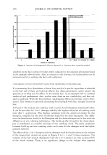
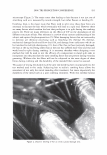
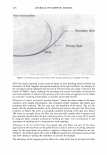
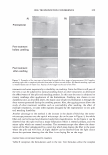
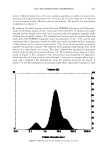
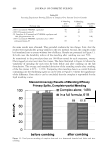
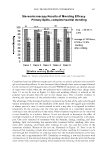
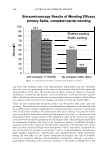
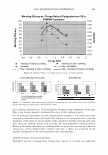
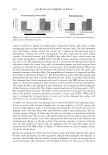
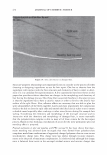
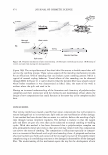
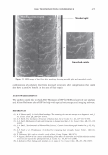
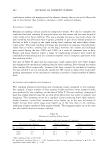
A) Pretreatment Post treatment before combing Post treatment after combing 2006 TRI/PRINCETON CONFERENCE 459 B) Figure 5. Examples of the two types of mending through the three stages of measurement: (A) Complete mending: split end is completely mended from start of fissure to end of fiber. (B) Partial mending: split end is mended from start of fissure to a fraction of the length to the end of the fiber. treatment and more importantly to durability to combing. Since the fiber is still part of the tress it can be subjected to normal combing forces or other treatments to determine the effectiveness of the split end mending product. In this case the tress is subjected to twenty combings after application of the formulation. Combing was chosen to test durability since, as described above, the major cause of split end formation is through the shear stresses generated during the combing process. Also, the tagging process allows the study of other treatment variables such as survivability after washing, the effect of multiple treatments, or some other regimen designed by the experimenter to test split end mending durability. Another advantage to the method is the increase in the depth of field that the stereo- microscope possesses over the optical microscope. As can be seen in Figure 4, the whole fiber end can be focused and observed under low magnification. In the figure it can be observed that this split end has a major bifurcation which is termed primary, and two minor splits which are termed secondary. The stereomicroscope also allows the obser- vation of the fiber unhampered by a cover slip which may depress the fiber to the point where the split end will close. A slight shadow can be observed from the light source above the specimen showing that the fiber is not laying flat on the stage. PRODUCTION OF POL YELECTROL ITE COMPLEX Table II comprises the formulation used in the test. Test formulas utilize the complex

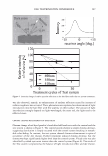
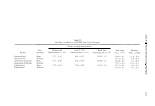
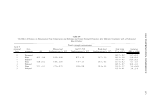
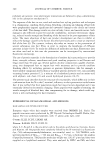
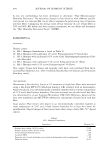
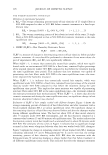
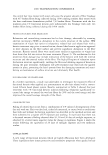
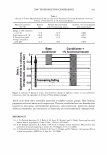
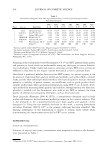
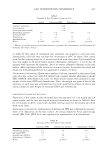
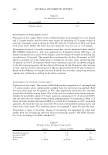
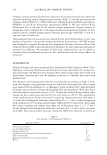
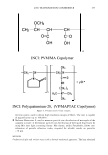
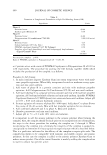
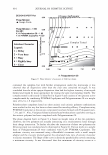
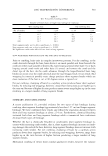
460 JOURNAL OF COSMETIC SCIENCE Table II Formation of Complex and Formulation of Split End Mending Serum (61B) Phase A Deionized water Xanthan gum (Rhodicare T) Phase B Deionized water Ingredients Polyquaternium-28 (conditioneze® NT-20) Phase C Deionized water Sodium hydroxide (10% Ag. Soln.) PVM/MA copolymer (Gantrez® S-97 BF Polymer) Propylene glycol (and) diazolidinyl urea (and) iodopropynyl butylcarbamate (Liquid Germall® Plus) Percent active complex = 2.00%. Ratio of PVM/MA copolymer to Polyquaternium-28 = 0.20:1.80. 49.00 0.50 36.00 %w/w 9.00 (1.80 active) 4.24 0.56 0.20 0.50 100.00% at 2 percent active with a ratio of PVM/MA Copolymer to Polyquaternim-28 of 0.20 to 1.80 respectively. The procedure for putting the full formula together (61B) which includes the production of the complex is as follows. Procedure for full formula 1. In main container disperse Xanthan Gum into room temperature water with mod- erate propeller agitation. When fully incorporated switch to moderate sweep agita- tion and mix until uniform. 2. Add water of phase B in a premix container and mix with moderate propeller agitation. Add Polyquaternium-28 (Conditioneze NT-20) and mix until uniform. 3. Add water of phase C to a separate premix container and mix with moderate propeller agitation. Add sodium hydroxide solution and mix until uniform. Sprinkle PVM/MA Copolymer (Gantrez S-97 BF Polymer) into vortex and mix until uniform. Adjust pH to 6.95 ± 0.05 with sodium hydroxide solution. 4. Increase agitation of contents of phase B (-1000 rpm). Add phase C to phase B over the course of 20-30 seconds. Mix with fast propeller agitation for ten minutes. 5. Add combined phases B and C to phase A. Mix until uniform. 6. Dissolve preservative and mix until uniform. 7. Adjust pH to 7 .1 ± 0.1 with 10% citric acid solution. It is important to add the anionic polymer to the cationic polymer when forming the complex. Also, the complex should be made prior to its incorporation into a formulation the steps in the above procedure for making the complex are 2 through 4. When incorporating the complex into a formula the integrity of the complex is judged mi- croscopically to determine if it has a typical microgel structure which is described below. This is a predictive indicator for the efficacy of the complex to repair split ends. The complex has shown to be compatible with nonionic and mildly cationic and anionic polymers. In this case the complex is added to the anionic polymer Xanthan Gum to make a serum product. One of the control formulas is made by adding the complex alone to water to obtain two percent active.
Purchased for the exclusive use of nofirst nolast (unknown)
From: SCC Media Library & Resource Center (library.scconline.org)