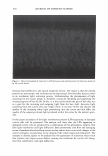
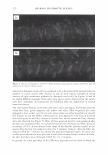
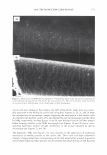
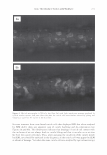
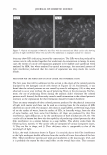
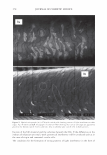
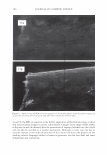
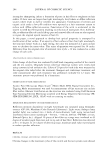
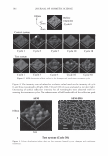
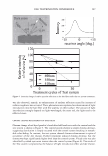
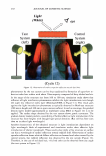
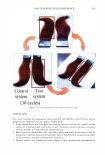
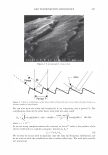
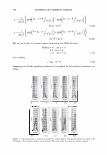
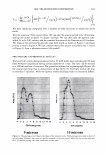
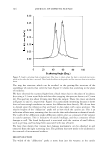
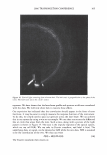
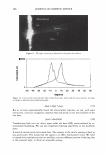
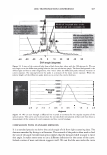
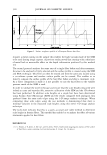
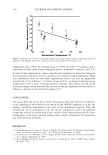
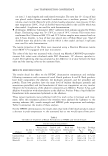
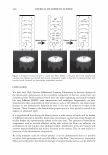
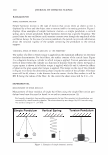
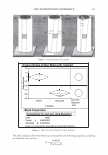
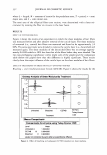
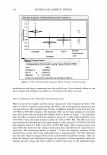
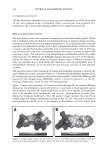
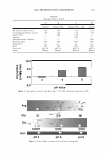
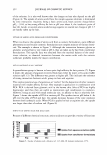
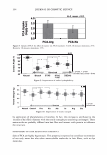
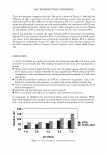
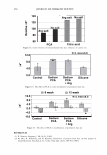
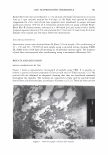
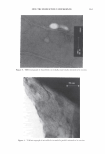
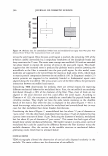
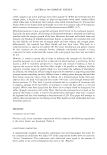
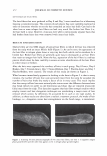
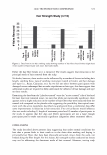
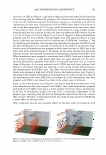
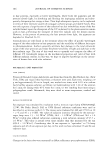
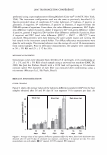
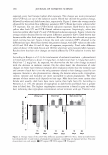
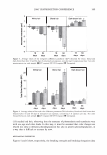
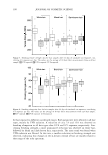
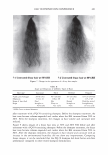
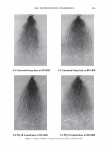
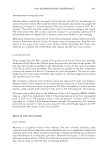
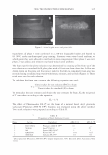
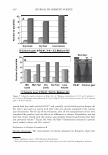
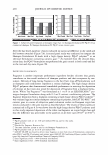
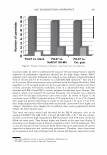
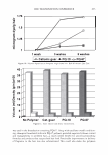
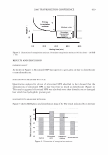
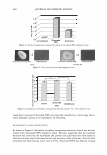
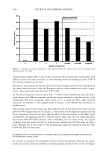
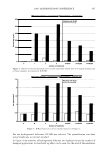
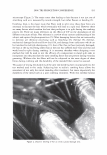
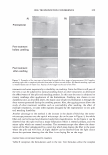
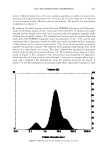
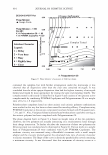
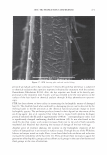
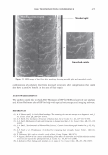
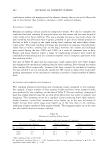
280 JOURNAL OF COSMETIC SCIENCE Figure l l. Optical (1] a) and SEM (] 1 b) micrographs (x370) showing details of dot like patterns appearing on portions of cortex devoid of cuticle cells after their removal by intensive wear. Sa anl Sb the LIPs are sensitive to the further application of mechanical stresses as these will induce further changes in cuticle cell thickness. Changes in the shape of LIPs shown in Figures 6a and 66 obtained after the penetration of isopropyl alcohol into the cuticle cell can also be ascribed to a similar mechanism. Although, in this case one has to consider changes in the index of refraction of the cuticle cell due to the presence of the swelling solvent. Isopropyl alcohol is known to penetrate into the hair shaft and cause dehydration and contraction.

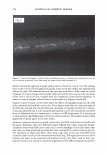
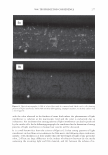
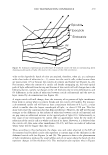
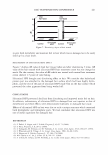
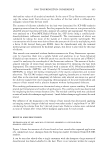
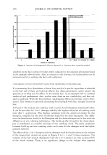
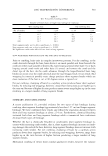
2006 TRI/PRINCETON CONFERENCE MECHANISM FOR THE FORMATION OF LIPS APPEARING AS DOTS, AGGLOMERATIONS OF DOTS, AND AS CHANNELS 281 The LIPs appearing in the form of microscopic isolated dots, agglomerations of colored dots, and channels shown in Figures 4a, 46, and 5, are considered to be caused by the diffraction of white light interacting with micro-voids and holes appearing in the cuticle cells as a consequence of the action of damaging stresses. Agglomerations of colored spots were also observed in randomly tested hair fibers from the naked micro-fibrilar structure of the cortex in fibers devoid of cuticle sheath (see Figures l la and l lb). In most cases the presence of these colored dots in hair fibers became apparent after their treatment with IPA for 5 or 10 minutes. The colored dots never appeared in virgin hair fibers and were invariably seen in hair fibers that had undergone either mechanical or thermal stresses. This observation indicates that during the process of mechanical or thermal stressing of hair there is a damaging stage at which micro-voids and holes start to form in the cement layer before the cuticle cells crack and larger portions of cuticle cell de-cement and buckle. It is also quite possible that these holes form in the endo- cuticle or in other cuticle cell layers and are, therefore, responsible for the LIPs shown in Figures 3a and 36. According to the ongoing arguments the formation of LIPs in the form of long lines indicates also the presence of micro-voids that coalesce into channels with high levels of mechanical stresses (see fig. 4). CONCLUSIONS An analysis of the patterns of light interference appearing in damaged cuticle cells has been done and indicates that they may be produced by a phenomenon related to thin film interference and light diffraction. The patterns of light interference were only observed in cuticle cells that had been subjected to damaging stresses. Therefore, their appearance indicates changes in the microscopic structure of the cuticle cell layers. Further experiments are underway to assess the effect of various actives on the phenom- enon of light scattering by hair. REFERENCES (1) R. Robbins, Chemical and Physical Behavior of Human Hair 3rd ed. (Springer-Verlag, New York, 1994) pp. 211-206. (2) R. Mcmullen and J. Jachowicz, Optical properties of hair-detailed examination of specular reflection patterns in various hair types,]. Cosmet. Sci., 55, 29-47, (2004). (3) R. R. Stamm, M. L. Garcia, and J. J. Fuchs, The optical properties of human hair I. Fundamental considerations and goniophotometer curves,]. Soc. Cosm. Chem., 28, 571-600 (1977). (4) S. Nagase, S. Shibuichi, K. Ando, E. Kari ya, and N. Satoh, Influence of internal structures of hair fiber on hair appearance. I. Light scattering from the porous structure of the medulla of human hair,]. Soc. Cosmet. Sci, 53, 89-100 (2002). (5) M. F. Land, The physics and biology of animal reflectors, Prog. Biophys. Mo!. Biol. 24, 77-106 (1972). (6) D. L. Fox, Animal Biochromes and Structural Colors (University of California Press, Berkeley, 1976). (7) R. 0. Prum, T. Quinn, and R. H. Torres, Anatomically diverse butterfly scales all produce structural colours by coherent scattering,]. Exp. Biology, 209, 748-765 (2006). (8) R. 0. Prum, "Anatomy, Physics, and Evolution of Certain Avian Structural Colors," in Brod Coloration,
Purchased for the exclusive use of nofirst nolast (unknown)
From: SCC Media Library & Resource Center (library.scconline.org)