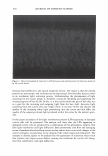
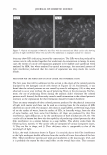
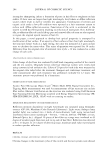
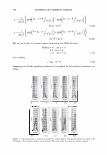
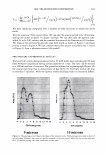
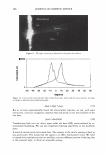
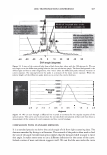
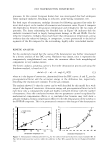
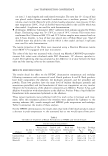
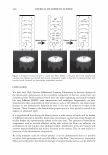
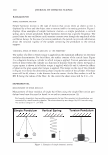
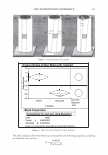
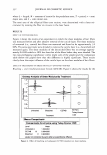
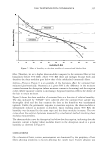
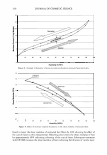
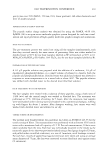
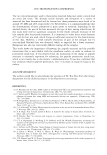
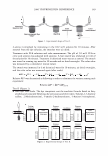
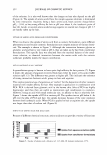
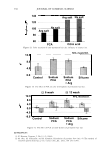
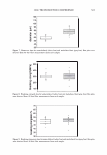
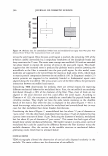
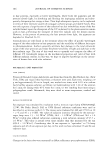
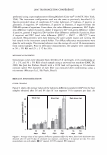
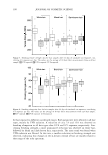
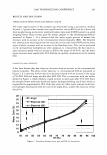
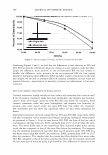
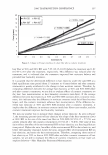
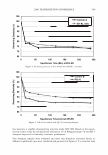
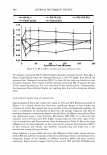
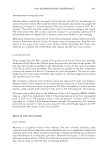
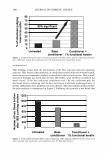
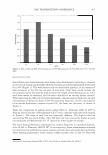
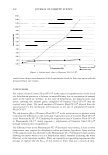
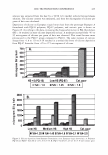
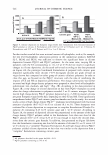
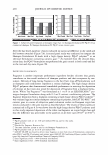
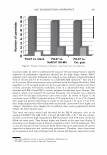
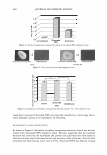
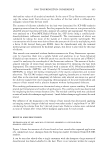
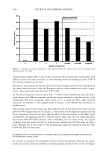
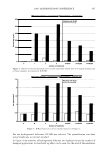
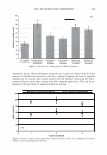
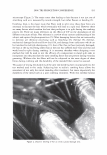
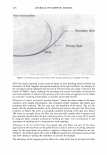
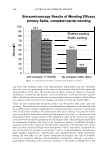
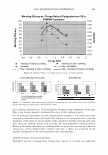
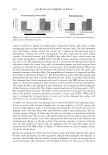
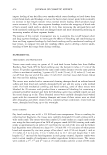
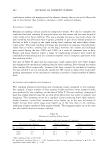
408 en C en ._ "D cu ::s = ·-o f rn cu cu .a ... 0 C .,. ::::I rn 0 rn !! 0 ... ';ft. 80 70 60 50 40 30 20 10 0 JOURNAL OF COSMETIC SCIENCE 95% significant Untreated Base conditioner Conditioner + 1 % functional keratin Figure 1. Graph showing the results of a volunteer panel assessment of hair softness comparing untreated, base conditioner treated and conditioner plus 1 % functional keratin treated hair tresses. HAIR BREAKAGE Hair breakage results from the deterioration of the fiber structure and poor grooming practises. Hair tresses either untreated, or conditioner treated with and without keratin, were prepared and repeatedly combed, as described in the methods section. Only a small amount of breakage was found after the first 400 strokes, with 16 fibers counted for the water control, 10 for the conditioner formulation and 7 for the conditioner plus the functional keratin, indicating that the hair used was in a relatively undamaged state. A further 1200 strokes were performed to stress the hair. The total number of fibers broken for each condition is summarized in Figure 2. Following this protocol it was found that C rn a, cu .=-: e e .Cl ... en rn e � .a·- .a ._ E ·- 0 � u 11-0 0 c:, ._ ca .z : E! :::::, ca z 1200 1000 soo- 600 400 200 0 Untreated Base Conditioner + conditioner 1 % functional keratin Figure 2. Total number of broken fibers collected following 1600 combing strokes for tresses treated with water (control), base conditioner, and conditioner plus 1 % functional keratin.

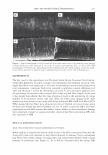
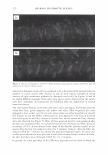
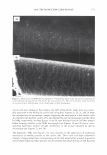
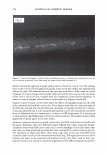
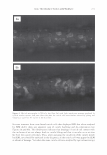
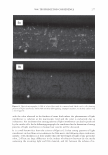
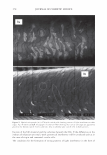
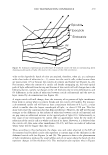
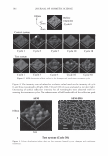
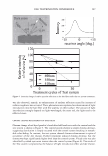
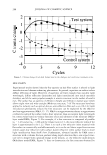
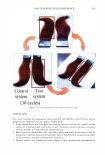
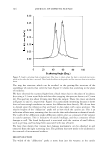
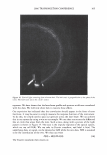
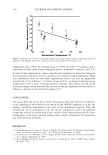
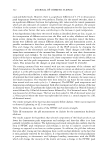
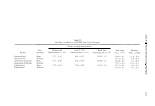
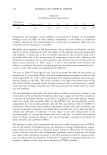
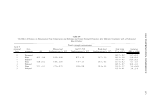
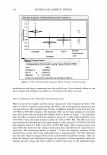
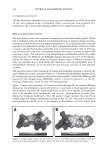
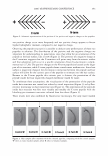
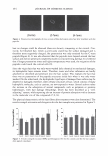
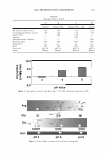
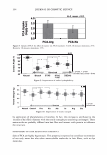
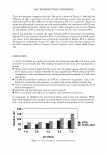
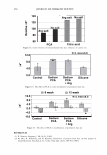
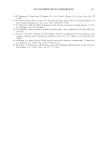
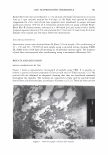
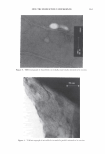
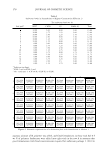
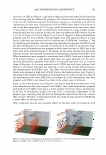
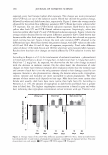
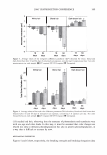
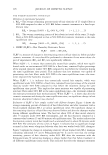
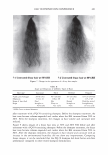
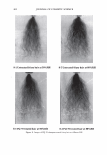
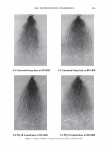
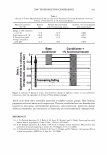
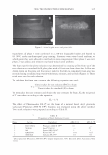
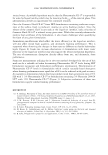
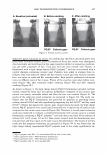
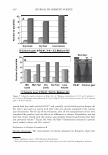
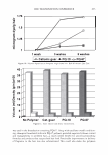
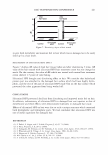
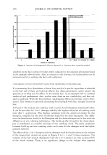
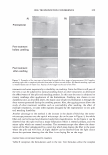
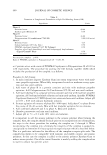
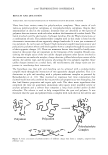
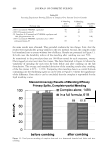
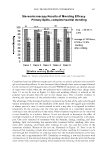
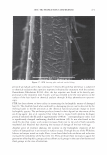
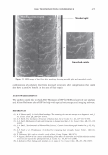
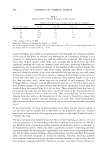
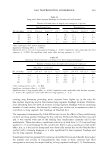
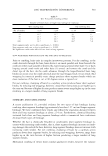
2006 TRI/PRINCETON CONFERENCE 409 the control hair tress treated with water only gave the greatest amount of fiber breakage with 967 broken fibers being collected during 1600 combing strokes. Hair treated with the base conditioner formulation yielded 736 broken fibers. Treatment with the for- mulation plus 1 % functional keratin gave substantially less breakage with only 144 broken fibers being collected during the 1600 combs. PROTECTION DURING HAIR RELAXATION Relaxation and neutralizing treatments lead to hair damage, observable by scanning electron microscopy (SEM) as disruption to the cuticle structure of the surface. SEM examination of virgin hair (prior to relaxation), relaxed hair and relaxed hair with a keratin treatment step prior to neutralization, showed that keratin application appeared to leave deposits on the fiber surface and prevent significant disruption to the fiber structure. Keratin treated fibers were much more similar in appearance to virgin hair than those that did not receive the same treatment (Figure 3). The mechanism for this protection from damage may include interaction of the keratin with both the internal structure and the external surface of the fiber. The high pH regime of relaxation opens the keratin structure significantly, swelling the fiber and allowing ingress of keratin in during the post treatment. Subsequent low pH treatment may then lock the applied protein in place, protecting the hair's protein from the damaging treatment and mani- festing as maintenance of surface structure and ultimately fiber health. POSTTREA TMENT OF RELAXED HAIR In a further experiment, a study was undertaken to investigate the reparative effect of functional keratin when applied as a posttreatment on afro hair relaxed with a conven- tional lithium based relaxer system. Results, summarized in Table I, showed that post treatment with 1 % functional keratin solution following relaxation significantly in- creased the energy to extend the wet hair fibers by 20% and the total energy and also improved the overall average strength of the fibers. COLOR PROTECTION Fading of colored hair occurs from a combination of UV induced decomposition of the dye and wash out. Hair was dyed red, either left untreated, or treated with a conditioner base with and without the keratin ingredient (as described in the methods section) and then submitted to a regime of UV exposure and washing. It was found that there was a decreased amount of fading observed after 10, 20 and 30 days of sunlight exposure, as observed by a lower (more negative) value for change in lightness. Figure 4 shows the results following the equivalent of 20 days of sunlight exposure and two surfactant washes. CONCLUSIONS A new range of functional keratins which are highly efficacious have been developed. These ingredients have innate protective and restorative properties when applied to hair
Purchased for the exclusive use of nofirst nolast (unknown)
From: SCC Media Library & Resource Center (library.scconline.org)