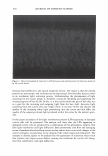
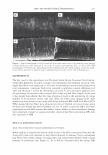
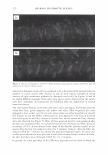
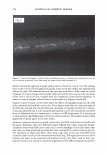
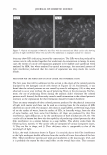
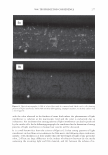
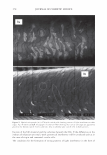
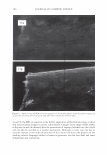
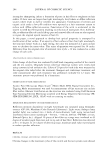
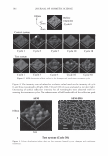
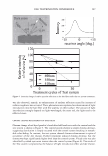
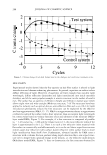
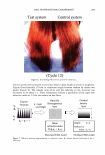
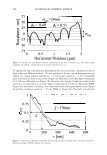
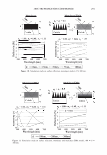
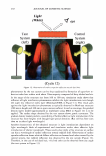
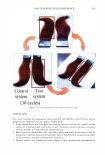
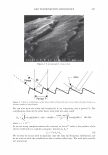
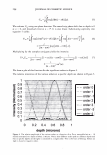
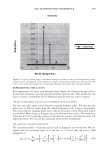
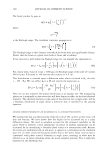
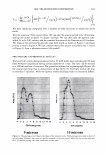
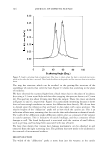
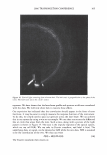
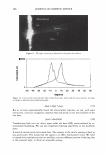
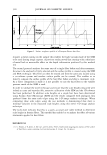
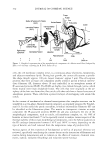
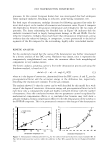
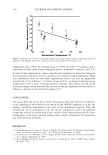
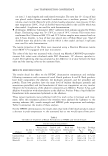
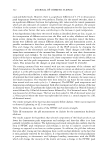
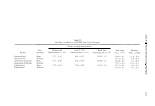
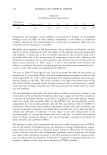
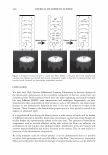
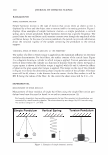
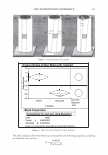
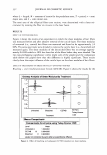
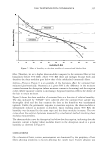
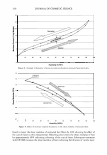
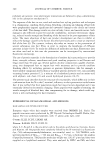
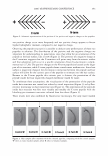
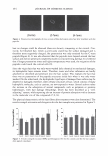
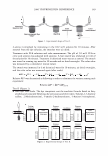
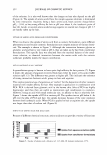
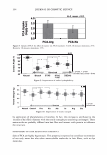
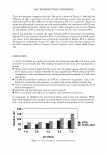
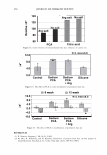
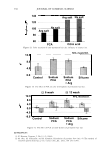
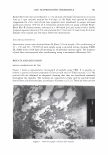
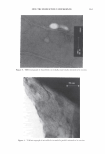
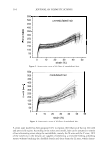
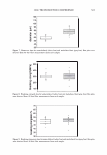
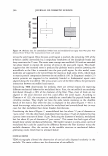
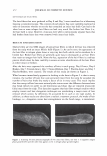
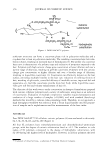
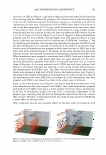
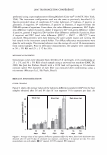
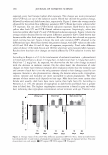
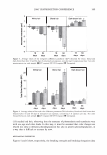
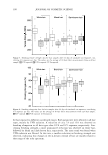
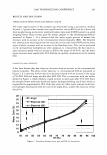
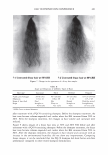
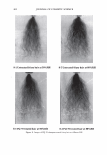
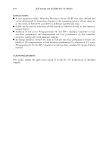
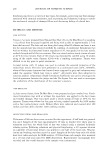
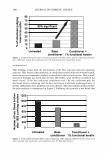
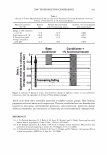
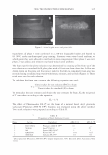
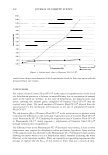
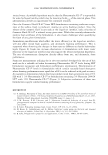
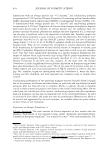
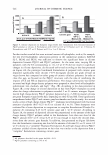
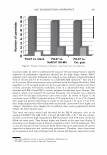
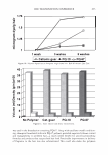
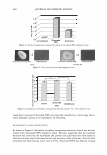
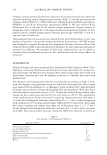
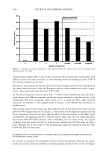
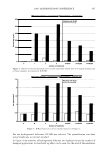
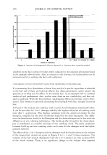
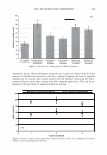
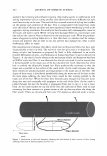
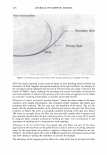
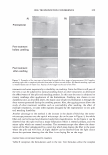
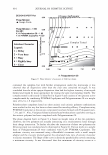
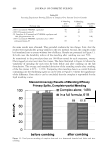
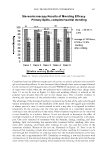
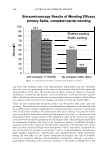
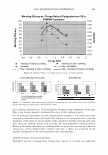
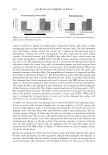
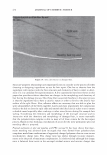
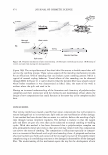
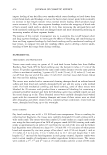
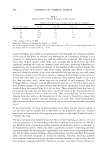
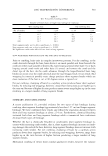
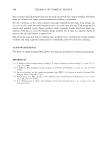
274 JOURNAL OF COSMETIC SCIENCE Figure 5. Optical micrograph (x250) of light interference pattern in channel form produced on hair by cyclical torsion stresses on a hair fiber using the protocol described elsewhere (13 ). further stressed by applying a slight pulling force to bend the cuticle cell. The pulling force to the cuticle cells was applied by gluing a tape to the hair surface and subsequently lifting the tape. The adhesion force of the tape was such that it didn't lead to cuticle breakage. The main change observed after application of the tape was the color and shape of the cuticle cell's LIP that changed from one displaying colored bands hyperbolic in nature to one of straight colored lines or wide bands (see Figures 6a and 66). Figures 7a and 76 show, on the other hand, the effects of isopropyl alcohol on the LIPs of de-cemented and buckled cuticle cells. These figures show that the color and shape of the LIPs has changed after the hair fiber was immersed in isopropyl alcohol for 1 minute. It was also observed that if a de-cemented and buckled cuticle cell was allowed to recover from its deformed state by immersing it in water its LIP disappeared. It is interesting to mention here that SEM analysis of cuticle cells recovered in this manner showed them apparently re-glued again to the hair surface. However, treatment of water re-glued cuticle cells with IPA caused them to buckle and lift again. Although, their new deformed shapes differed from those originally formed. Treatment of hair with IPA can be used, thus, to reveal breakage of cuticular cement that may have occurred previously and that has been concealed by a water recovery process. The treatment of virgin hair fibers taken from scalp close to the root with IPA never caused by itself cuticle cell de-cementation and buckling. The application of oils such as silicone and esters to de-cemented and buckled cuticle cells didn't lead to their me- chanical recovery, but instead it caused the suppression of the LIPs (see Figures Sa and 86).

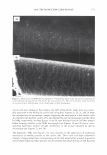
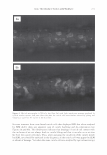
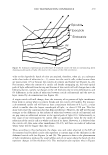
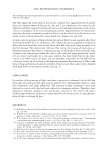
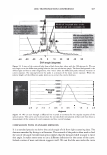
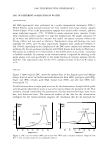
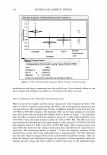
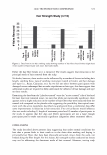
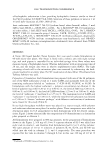
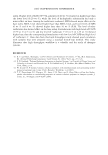
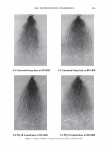
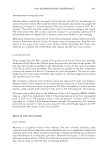
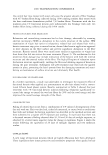
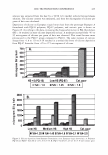
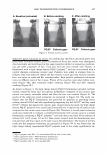
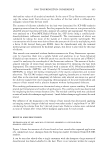
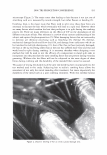
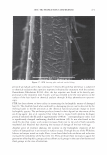
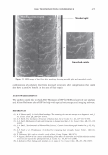
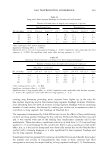
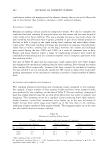
2006 TRI/PRINCETON CONFERENCE 275 Fi g ure 6. Optical micrograpbs (x2'50) of a hair fiber (6a) with light intcrfr-rence patterns produced hy cyclical tension stresses, and same fiber (66) after rhe curiclc cells were further stressed by gluing and srripping a rape from rlw surface of the hair fiber. In some instances there were found cuticle cells that dis played LIPs but when analyzed by SEM didn't show any apparent sign of cuticle buckling and de-cementation (see Figures 9a and 96). This observation indicates that breakage of cuticle cell cement with the inclusion of air not always leads to cuticle lifting and that it can also occur at sites far from the cuticle cell edges. Thus, when assessing the condition of the cuticle sheath by SEM, care should be exercised in the diagnosis, as the cuticle cell may appear by SEM as absent of damage. Yet when the same cuticle cells are analyzed by optical microscopy
Purchased for the exclusive use of nofirst nolast (unknown)
From: SCC Media Library & Resource Center (library.scconline.org)