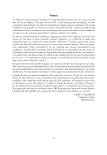
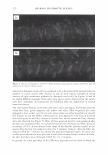
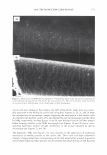
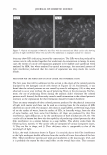
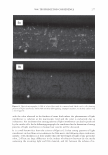
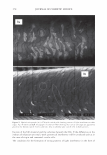
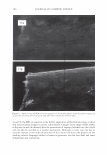
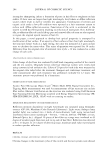
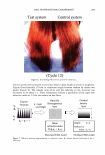
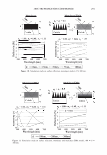
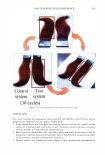
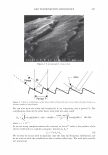
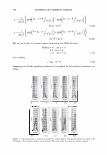
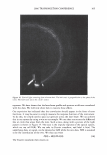
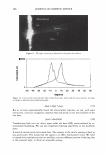
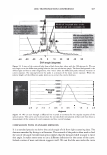
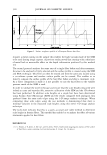
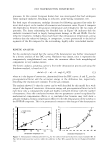
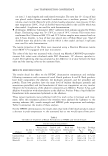
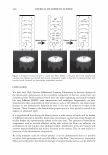
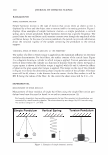
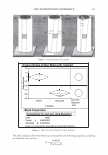
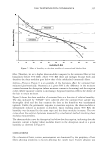
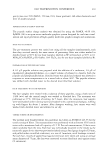
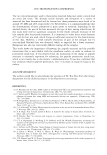
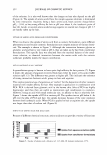
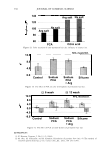
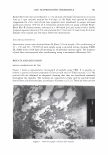
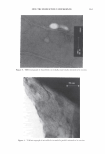
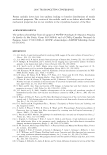
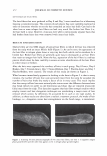
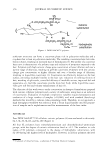
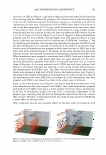
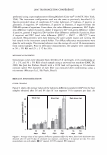
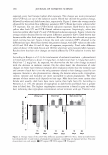
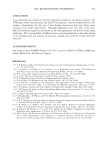
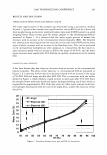
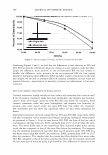
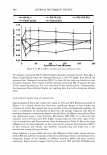
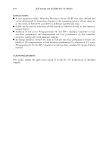
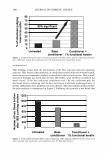
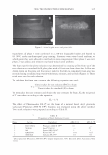
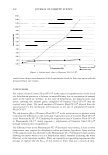
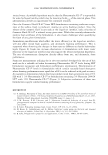
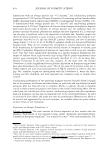
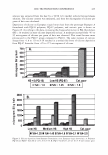
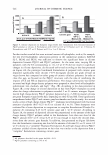
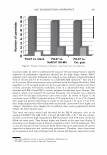
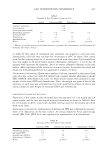
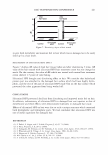
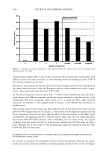
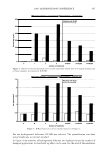
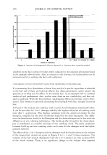
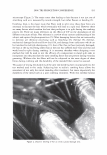
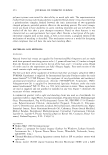
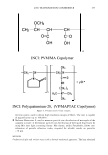
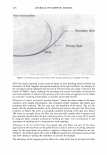
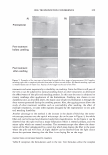
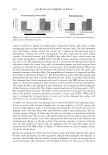
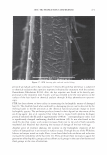
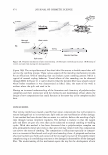
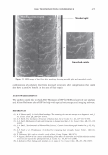
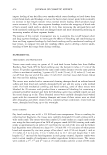
2006 TRI/PRINCETON CONFERENCE 471 Figure 17. SEM showing split end and cuticle lifring. peroxide and alkali used in hair coloring (17). Ruetsch found that when hair is subjected to chemical oxidation that a positive response is obtained by treatment with the cationic fluorochrom, Rhodamine B (18). Also, the dye response was found to be directly pro- portional to the treatment time. Cysteic acid was revealed to be the new species on the surface of the hair based on chemical analysis through X-Ray photoelectron spectros- copy. FTIR has been shown to have utility in measuring the hydrophilic nature of damaged hair (8). The disulfide bond when oxidized by a damaging process can be detected by the shifting bands in the IR spectrum as the chemical functional groups change to more hydrophilic species. The oxidation products formed in hair depend on the nature of the oxidizing agent. Joy et al. reported that when hair is treated with alkaline hydrogen peroxide solutions the IR peak at approximately 1040cm - l corresponding to cyteic acid is significantly changed confirming disulfide oxidation ( 19). It was also found in the study by Joy that cysteic acid content increases from root to tip end of both naturally weathered and bleached hair showing the increase of damage of the hair with age. Another piece of evidence showing the increase in the hydrophilic character of the surface of damaged hair is an increase in surface energy. Through the use of the Wihelmy balance technique tested on single fibers, it was found that both oxidation and reduction increased the wettability of the hair (20, 21 ). They attribure these increases to again the generation of hydrophilic groups such as sulfonic acid groups in the case of oxidation and thiol groups in the case of reduction.

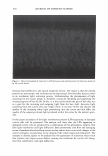
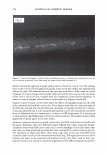
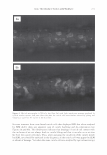
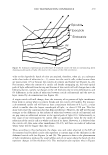
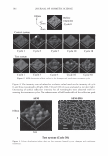
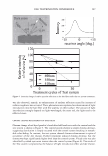
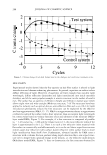
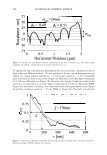
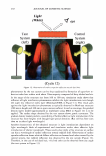
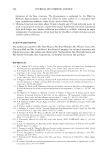
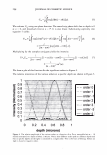
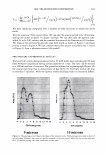
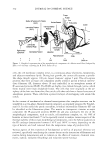
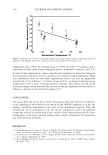
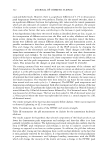
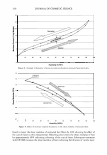
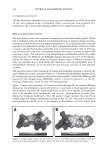
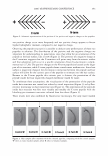
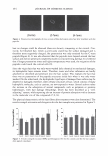
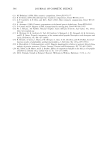
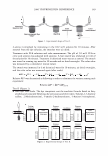
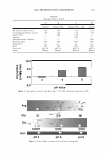
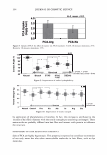
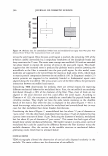
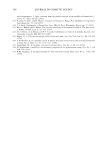
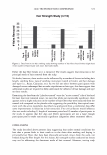
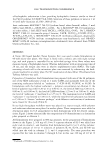
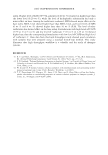
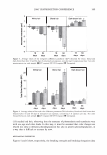
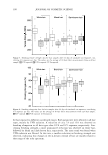
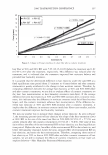
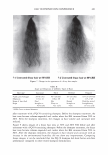
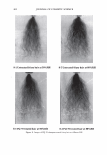
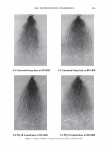
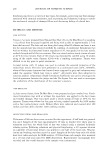
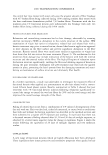
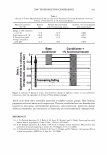
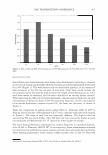
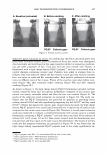
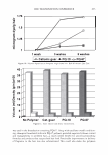
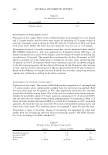
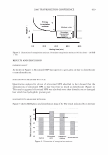
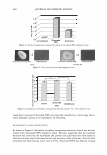
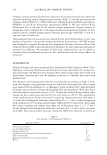
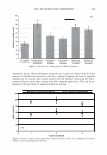
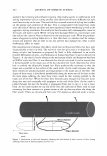
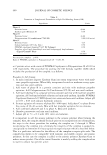
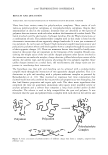
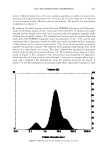
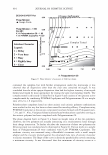
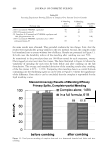
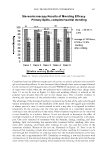
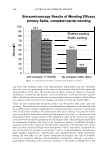
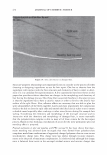
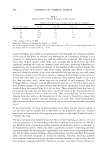
472 JOURNAL OF COSMETIC SCIENCE Figure 18. Ionic dye reaction to damaged hair. Structure-property relationships are important factors to consider in the process of either choosing or designing ingredients to test for hair repair. One has to theorize how the ingredient will interact with the fine structure and chemistry of hair in order to deter- mine if it is a candidate for experimentation. A few experiments have been shown in this paper that provides evidence that there are changes in the morphology and chemistry of hair during the damage process. One thing that is essential therefore in the repair process is that the ingredient has to have a cationic nature in order to bind to the anionic hair surface of the split fibers. Also, adhesive effects are necessary that are able to glue the split subassemblies of the fibers together. Lastly and most importantly the composition needs to be able to close the split ends and smooth the lifted cuticle scales so as to ensure a durable mend especially after combing or other stress factors during for example hair styling. Considering the chemistry and morphology of the microgel structure and its interaction with the chemistry and morphology of damaged hair, it seems reasonable that the polyelectrolyte complex is able to meet all of these criteria for the hair repair process. Based on this thinking a mechanism of action for the semi-permanent split end mending effect is proposed. Proposed mechanism of split end mending with PEC microgel. It has been shown that maxi- mum mending was achieved from microgels that were formed from polyelectrolyte complexes made from combinations of oppositely charged polymers close to a one to one stoichiometric charge ratio. This charge ratio was shown through viscosity measure- ments to be the point of maximum complexation. It is believed that although this charge ratio is balanced there exists in the microgel residual anionic and cationic charges that
Purchased for the exclusive use of nofirst nolast (unknown)
From: SCC Media Library & Resource Center (library.scconline.org)