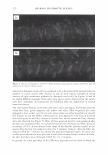
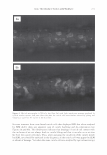
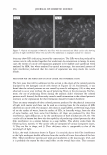
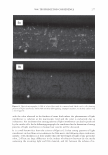
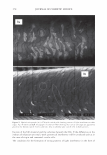
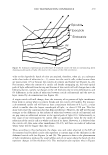
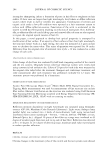
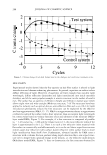
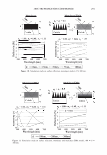
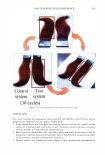
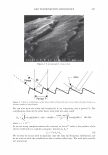
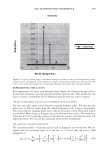
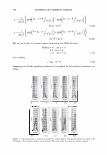
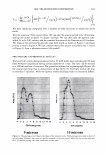
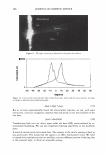
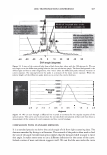
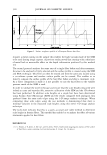
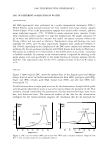
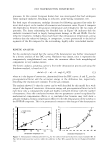
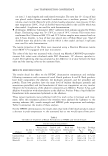
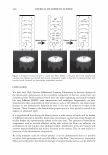
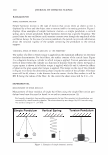
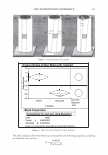
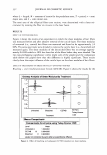
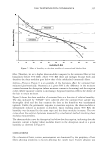
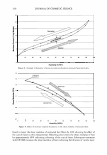
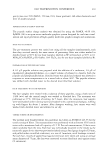
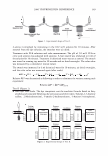
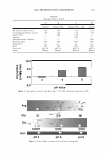
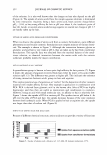
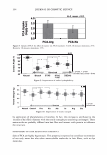
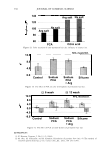
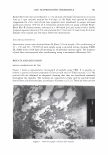
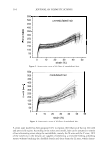
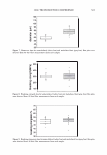
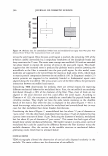
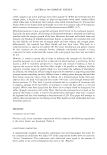
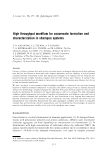
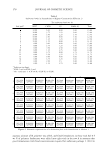
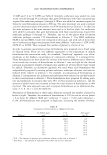
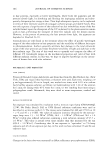
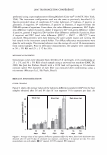
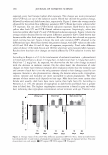
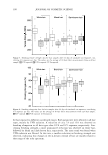
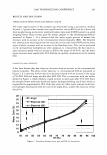
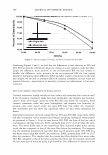
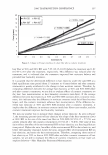
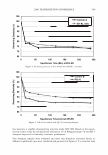
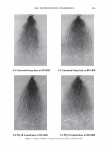
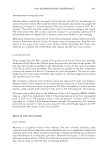
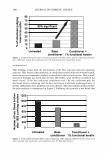
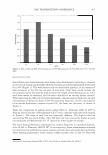
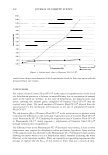
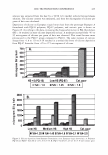
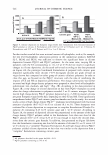
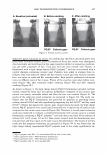
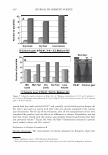
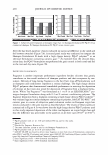
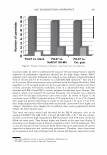
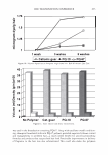
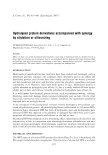
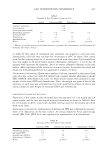
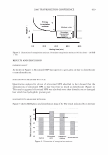
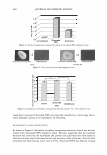
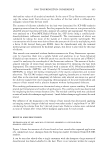
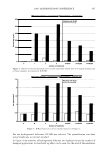
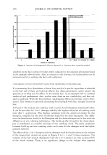
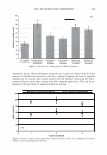
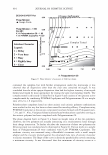
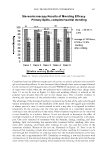
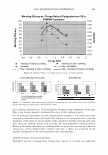
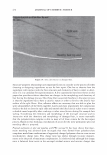
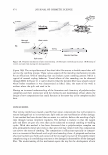
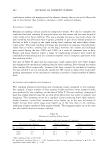
� ra en C: C: 2006 TRI/PRINCETON CONFERENCE Mending Efficacy vs. Charge Ratio of Polyquaternium-28 to PVM/MA Copolymer 100 r-----�---'--------------- 90 A 80 70 60 50 40 30 20 10 0- 0.4 0.6 0.8 rrending % before combing durability 1.2 1.4 1.6 1.8 2 Charge Ratio ■ mending % after combing - - Poly. (durability) 469 0.90 0.80 0.70 0.60 � 0.50 :s 0.40 0.30 C 0.20 0.10 0.00 , Poly. (mending % after combing) ---Poly. (mending% before combing) Figure 14. Mending efficacy vs charge ratio of cationic to anionic polymer. A) Total % Mending of Primary Splits B) Durability Index f'l!t�i:il i!�U� j Cycle 1 Cycle 2 Cycle 5 o.oo , l'.i! Total% Mending Before Combing liil Total % Mending After Combing ISi Wash Col Durability Index Combing B Durability Index Wash Figure 15. Cumulative effects and mending durability to washing over the course of five cycles. (A) Total percent mending of primary splits. (B) Durability index. post combing durability test. The hydrophobic bonding of the components of the split fiber is not strong enough to withstand the stress of the combing process. In our screening experiments for the polyelectrolyte complex it was found that there were many compounds that could mend split ends prior to stressing the tress to test the durability of the mend. It was the ability of the complex to durably mend the split ends after this post combing process that provides this semi-permanent mending ability. Based on the surface characteristics of damaged hair as well as the structure and chemical interactions of the polyelectrolyte complex with hair, a theory was proposed on the possible mechanism of this semi-permanent split end mending. PROPOSED THEORY OF SPLIT END MENDING Hydrophilic character of damaged hair. Human hair consists of a central core called the

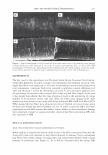
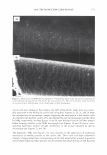
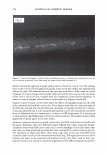
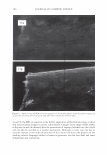
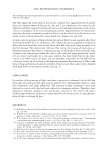
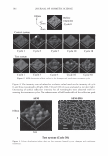
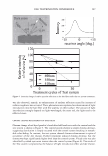
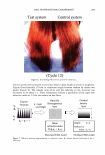
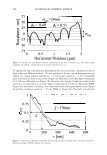
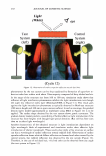
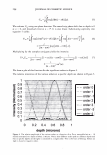
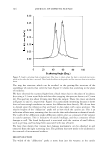
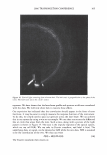
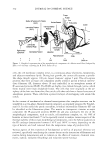
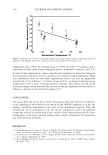
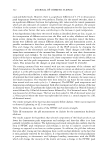
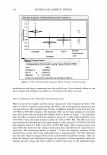
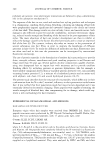
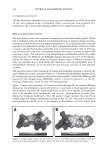
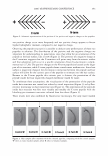
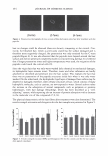
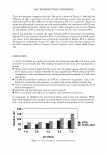
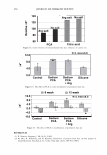
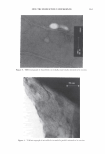
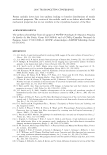
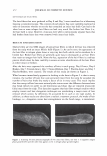
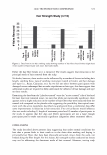
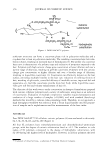
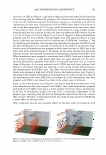
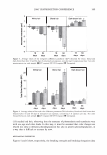
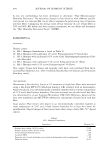
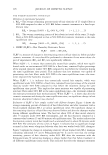
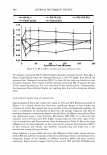
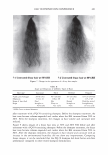
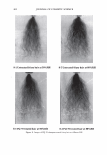
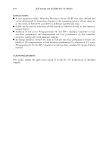
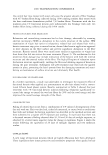
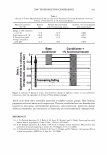
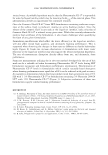
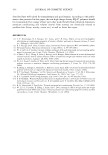
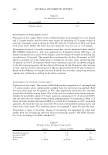
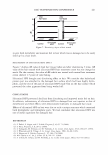
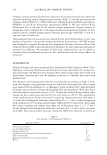
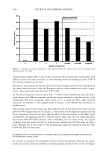
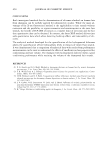
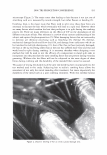
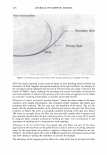
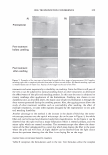
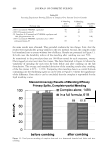
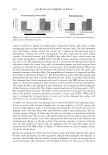
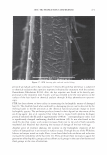
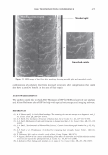
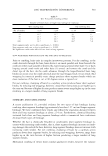
470 JOURNAL OF COSMETIC SCIENCE A) Total% Mending of Primary Splits 8) Durability Index Commercial Product Split End Mending Serum 61 B 11?:.1 Before Combing§ After Combing] Figure 16. Comparison of mending with complex vs a commercial product. (A) Total percent mending of primary splits. (B) Durability index. cortex covered by a sheath of several layers of flattened cuticle cells. Each of these overlapping scales is about half micron thick and 45 microns long. The thin outermost layer that forms a sheath around the cuticle cell is known as the epicuticle and is hydrophobic, whereas, the cortex is hydrophilic (16). The outer layer of cuticle surface contains 18-methyleicosanoic acid (18-MEA) also called the F-layer, which makes the hair surface hydrophobic. 18-MEA binds with the A-layer containing cystine groups in the cuticle cell. The main function of the cuticle is to provide mechanical protection for substances inside the cortex layer such as preventing amino acid and proteins from washing out through the hair surface or protecting it from further damage. When hair becomes damaged there are both physical and chemical changes to both the surface and internal structures of the hair fiber. The morphological changes of a damaged hair fiber are evident as illustrated in Figure 17. Besides the obvious split in the fiber exposing the subassemblies of the cortex it can be observed that the cuticle is partially lifted as well. For a damaged hair fiber containing a split end, as shown in the SEM picture, the cuticle layers are chemically damaged as well resulting in the hair fiber being more hydrophilic. This might be due to the exposure of the cortex after cuticle damage and/or the exposure of the A-layer in cuticle cells. The A-layer contains high level of cystine groups (30%). The disulfide bond in cystine, -R-S-S-R-, is very reactive and is in a state to be oxidized. One of the possible oxidation products of cystine is cysteic acid, R-SO 3 . When the F layer is stripped the increased levels of cysteic acid on the damaged hair surface will contribute to its increased hydrophilicity. A simple test demonstrates that damaged hair is more hydrophilic than undamaged hair. A hair tip with a split end and a healthy hair tip were soaked in a 0.03% cationic dye solution called Safranin used in microbiological staining for 30 seconds and rinsed in running water. The hair fibers were then observed under a stereomicroscope. The mi- croscope image in Figure 18 shows that the split tip end turns to a much more red color than the healthy hair. This is due to the higher interaction of the cationic stain with the increased number of anionic sites of the damaged fiber which are due to the chemical and morphological changes in the hair surface. The positive response to staining indicates that the hair surface or cuticle cells are damaged after the hair fiber splits and is consistent with the SEM results in Figure 17 which shows the cuticle damage charac- terized by jagged edges. Besides the staining test there have been many studies that show that the hair surface becomes more hydrophilic or more negatively charged when damaged. For example, it has been reported that the hair surface becomes hydrophilic because of the exposure of uncovered A-layer after exfoliation of hydrophobic F-layer by the action of hydrogen
Purchased for the exclusive use of nofirst nolast (unknown)
From: SCC Media Library & Resource Center (library.scconline.org)