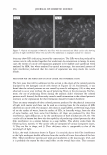
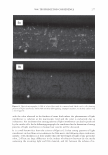
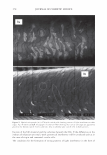
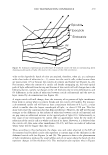
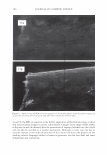
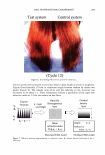
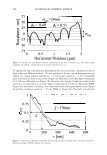
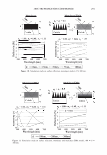
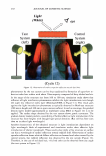
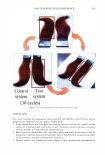
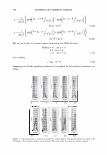
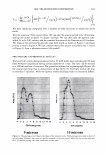
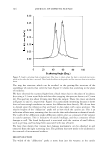
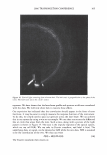
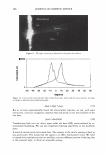
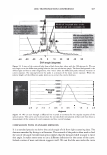
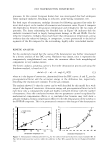
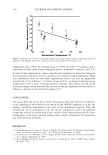
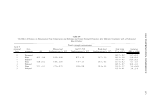
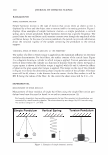
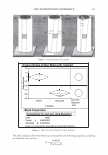
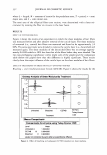
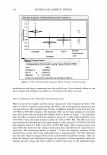
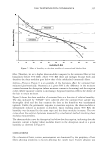
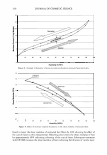
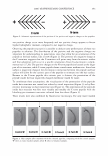
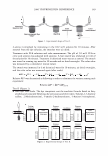
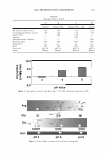
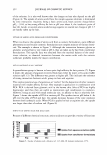
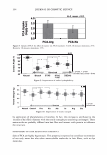
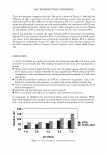
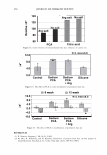
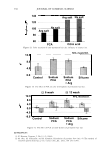
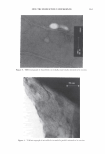
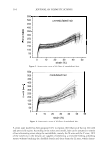
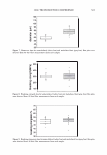
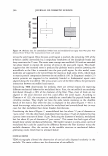
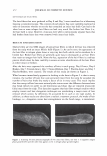
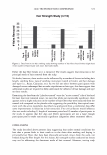
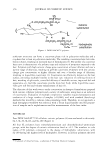
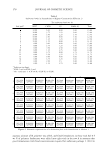
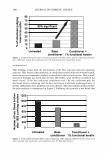
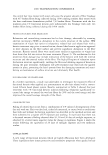
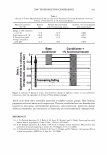
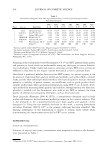
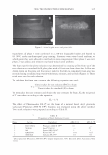
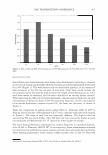
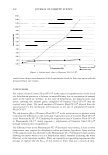
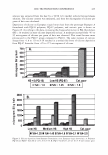
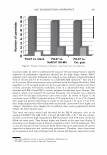
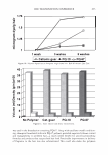
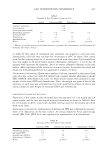
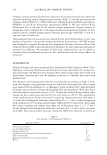
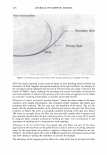
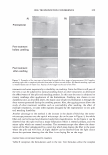
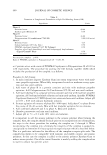
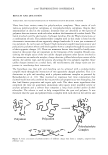
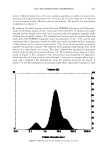
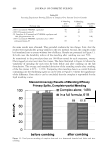
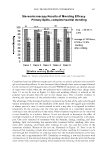
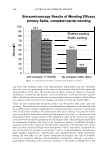
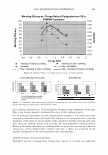
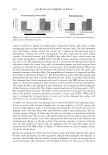
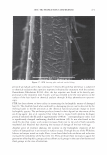
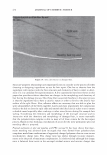
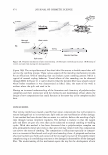
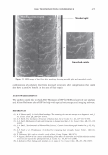
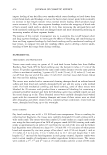
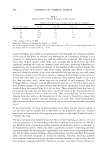
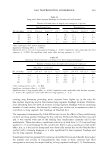
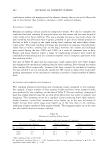
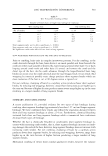
2006 TRI/PRINCETON CONFERENCE 483 Table V Wet Versus Dry Combing of Hair Number of broken hairs at length (cm) (average of 3 replicas) Wet combing data Dry combing data No. of strokes 2.54 2.54 25 16.7 22.7 50 25.7 19.7 75 22.7 23.7 100 23.7 24.3 Short segments only, wet vs dry is significant, p 0.0001. Long segments only, wet vs dry is significant, p 0.0001. No significant comb stroke effect for wet short or long segments. HOW HAIR FIBERS FORM SNAGS AND THE INFLUENCE ON BREAKAGE 2.54 2.54 28 6 44.3 6.7 45.7 6.3 68.7 5.8 Prior to combing, hairs exist in complex interwoven patterns. For dry combing, as the comb descends through the hair, hairs above it are made parallel and those beneath the comb are either made parallel or knotted by, hairs looping around other hairs (5), or hairs looping around comb teeth and other hairs (1) several cm between the comb and the distal tips of the hair. As the comb advances through the looped/knotted hairs long breaks can occur or as the comb descends near the tips wrapped ends (1) can result. End wrapping by inertia & possibly static charge produces short segment breaks which are more numerous if the hair is cut at 90 degrees versus a tapered cut. For wet combing, clumping of hairs by a capillary action produces fewer short segment breaks, by reducing end wrapping however, crossed hair interactions occur higher up in the tress and because of higher friction produces more severe snags higher up in the tress resulting in a larger number of long segment breaks. SUMMARY AND CONCLUSIONS A recent publication (1), provided evidence for two types of hair breakage during combing, short segment breakage (approximately less than 1.27 cm) and longer segment breakage. We have confirmed these results and refined the separation distance between short and long segment breakage at about 2.54 cm. Furthermore, chemical bleaching increased both short and long segment breakage while a commercial hair conditioner decreased both types of breakage. Whether the hair is chemically bleached or conditioned, short segment breakage in- creases with increasing comb strokes, that is, short segment breakage increases as comb- ing damages the ends of the hair, however, long segment breakage does not increase with increasing comb strokes. For wet combing, clumping of hairs by a capillary action produces fewer short segment breaks, by reducing end wrapping however, snags form higher up in the tress because of higher friction producing a larger number of long segment breaks. Mechanical combing of tresses shows similar qualitative results, however the variance

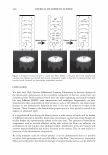
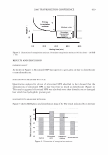
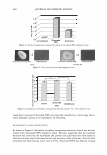
484 JOURNAL OF COSMETIC SCIENCE was too large and adjustments need to be made to provide for a larger number of broken hairs to continue the hand versus mechanical combing comparison. For dry combing, as the comb advances through looped/knotted hairs long breaks can occur or as the comb descends wrapped ends can result near the tips. End wrapping by inertia and possibly static charge produces short segment breaks which are more nu- merous if the hair is cut at 90 degrees (large number of tip ends in a narrow region of tress at the tip end) versus a tapered cut. The very best practical way to evaluate hair strength is by counting the actual number of short and long segment breaks and by considering both wet and dry combing. ACKNOWLEDGMENTS We want to thank Keleigh McCallister for making mechanical combing experiments. REFERENCES (l) C. Robbins, Hair breakage during combing. II. Impact loading and hair breakage, J. Cosmet. Sci. 5 7, 245-257 (2006). (2) C. Robbins, Hair breakage during combing. I. Pathways of breakage, J. Cosmet. Sci. 57, 233-243 (2006). (3) Statistical analysis was by a modeling program from JMP 5.1 by Statistical Analysis Systems (SAS, Campus Drive, Cary, NC 27513). (4) M. L. Garcia, J. A. Epps, and R. S. Yare, Normal cuticle-wear patterns in human hair,]. Soc. Cosmet. Chem. 29, 155-177 (1978). (5) A. C. Brown and J. A. Swifr, The mechanics of fracture of human hair, J. Soc, Cosmetic Chem., 26, 289-299 (1975).
Purchased for the exclusive use of nofirst nolast (unknown)
From: SCC Media Library & Resource Center (library.scconline.org)