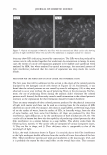
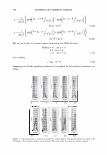
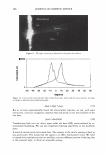
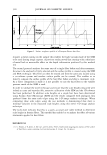
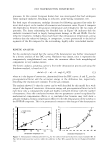
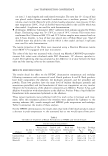
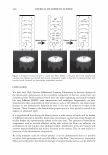
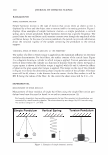
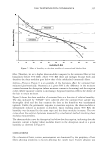
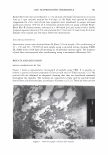
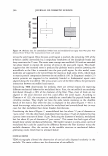
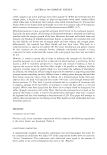
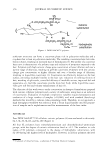
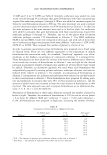
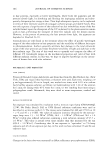
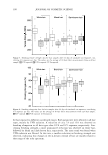
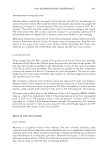
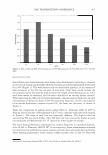
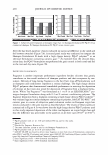
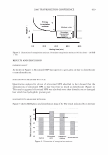
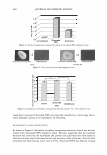
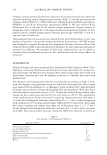
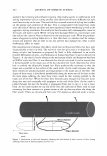
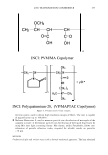
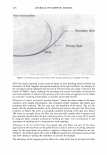
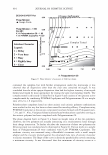
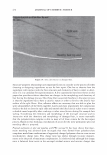
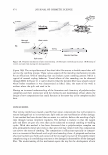
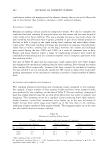
376 ( JOURNAL OF COSMETIC SCIENCE 9!"3 CH-N-CH Cl 3 I 3 /o -(CH2CHP)x(CH21Hc-H)YH C 2 OH 0 ? H 5) H (CH2CH20)£ (CH 2 CHC-H)iH I+ . Cationic substitution I CH3�·CH3 Cl C12H2s -- Hydrophobic substitution Figure 1. DOW SoftCAT™ polymers. surfactant structures can form: a coacervate phase rich in polycation molecules and a co-phase that is lean in polycation molecules. The resulting coacervates have low solu- bility in water, resulting in increased haze of formulations (3). The profile of a coacervate haze curve is characteristic of a polymer type and indicative of properties imparted to the hair. Polymers with high cationic charge give coacervation at lower dilution and over a narrow range of dilutions, resulting in gel-like coacervates. Polymers with low cationic charge give coacervation at higher dilution and over a broader range of dilutions, resulting in liquid-like coacervates (3). Coacervates can effectively deposit on the hair surface, providing multiple benefits in the hair care: reduction of combing friction of hair, mending of split-ends, controlled delivery of insoluble actives, improved feel and appearance, etc. Gel-like coacervates provide more hair body, while liquid-like coacer- vates give soft feel and volume enhancement of hair (3 ). The objective of this work was to study coacervation in shampoo formulations prepared with cationic cellulosic polymers and a variety of surfactants, using haze as an indicator of coacervation. Evaluation of multiple composition variables required preparation and evaluation of a large number of samples ( 10,000), and with standard (bench-top) methods this would be a tedious, time-consuming work. Therefore, in our approach, a high throughput workflow was selected, with a Tecan liquid handler used for prepara- tion of samples and a nephelometer used for measurements of the haze index. MATERIALS Four DOW SoftCAT™ SL cellulosic cationic polymers (4) were evaluated in this study: SL-5, SL-30, SL-60, and SL-100 (Figure 1). All four SL polymers have trimethylammonium and dimethyldodecyl-ammonium groups, with the degree of cationic substitution fixed at -0.2. The numbers in code names of SL polymers correspond to the degree of hydrophobic substitution, with SL-100 having the highest level of hydrophobe. However, in all four polymers the level TM Trademark of Amerchol Corp., a subsidiary of The Dow Chemical Company.

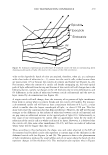
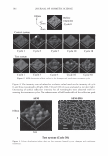
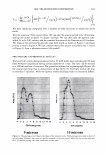
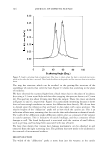
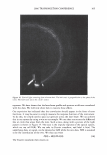
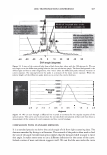
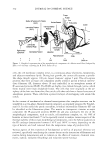
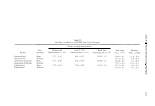
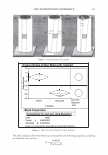
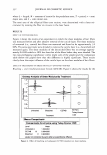
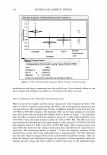
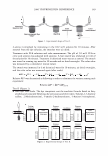
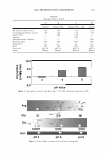
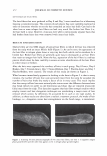
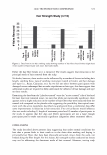
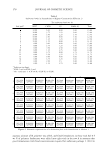
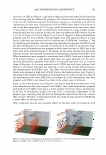
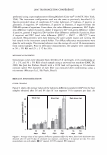
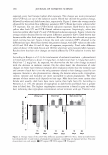
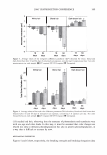
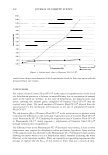
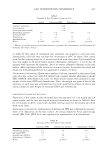
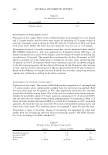
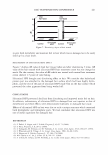
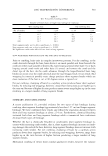
2006 TRI/PRINCETON CONFERENCE 377 of hydrophobic substitution is low, providing hydrophobic character similar to that of the PQ-10 polymer (UCARE™ LR-30M). Solutions of those polymers in water at 1 wt % level have viscosities of 2500-2800 cP (4). Ionic surfactants ALSCOAP* NS-230 [sodium lauryl ether (laureth) sulfate, 2 mol SLES-2 mol H(CH 2 ) 12 -(OCH 2 CH 2 ) 2 -O-SO 3 - Na+}, ALSCOAP* TH-330 [sodium lau- ryl ether sulfate, 3 mol SLES-3mol H(CH 2 ) 12 -(OCH 2 CH2) 3 -O-SO 3 - Na + }, OBAZO- RINE* CAB-30 (cocoamido-propyl betaine CAPB H(CH 2 ) 0 -CO-NH-(CH 2 ) 3 - N + (CH:)rCHrCO 2 -), NEOSCOAP* CN-30-SF (methylcocoyltaurate-desalinated), OBAZORINE* 662N (sodium cocoamphoacetate-non-desalinated), and OBAZO- RINE* 662N-SF (sodium cocoamphoacetate-desalinated) were obtained from TOHO Chemical Industry Co., Ltd. METHODS A Tecan 200 liquid handler (Tecan Systems, Inc.) was used to make formulations in 96-well micro-titer plates. The Tecan is fitted with a robotic arm with eight syringe tips, and each pipette is controlled by an individual syringe drive. Haze values were measured using a Nepheloskan Ascent (Thermo Labsystems) with an integration time of 20 ms, and the output data were in relative nephelometer units (RNU). The light scattering of each cell in the microtiter plate was corrected by subtra�ting the back- ground reading for an empty plate. For 3D visualization of data, Miner 3D software from Tableau Software was used. Preparation of formulations. Each formulation was prepared with one of the SL polymers, one of the SLES surfactants (2 mol or 3 mol), CAPB, and optionally with one of the remaining surfactants labeled as "surfactant 3" (CN-30-SF, 662N-Sf, or 662N). In formulations with the highest surfactant + polymer concentration (at dilution 1) the level of polymer was either 0.20 wt % or 0.40 wt %, the level of SLES was 6.00 wt %, 8.00 wt%, or 10.00 wt%, the level of CAPB was from 1.25 wt% to 5.00 wt%, while the level of "surfactant 3" was from Oto 3.75 wt %. The maximum level of CAPB and "surfactant 3" was limited to 5.00 wt%, while the total level of surfactants was limited to 15.00 wt%. Sixteen "surfactant packages" with different combinations of surfactants were chosen for this study (Table I). In our high throughput workflow water was placed in a source trough, while polymer and surfactant solutions were placed in mother plates. Those components were added to destination plates (in 8x8 arrangement) to form formulations with the desired compo- sition. Figure 2 shows schematically the composition of 64 formulations in a destination plate prepared at dilution 1. All formulations were prepared in 800 mg amounts. In the preparation of formulations shown in the Figure 2, 160 mg of 1.0 wt % aqueous solution of SL-5 was added into eight vials in column 1, and therefore final formulations had 0.2 wt % of this polymer. The same amount of 1.0 wt % solutions of polymers SL-30, SL-60, and SL-100 was added into the vials in columns 2, 3, and 4, respectively. The same procedure was repeated for the vials in columns 5 through 8, but in this case 320 mg of 1.0 wt % * Trademark of TOHO Chemical Industry Co., Ltd.
Purchased for the exclusive use of nofirst nolast (unknown)
From: SCC Media Library & Resource Center (library.scconline.org)