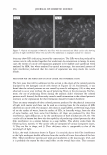
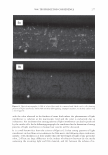
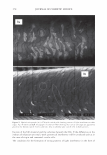
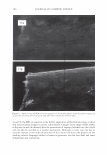
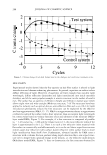
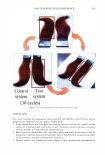
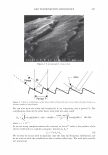
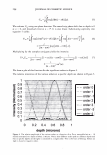
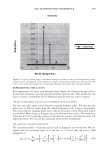
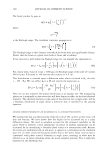
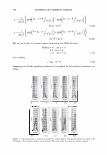
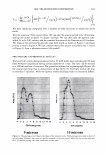
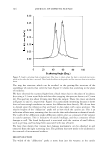
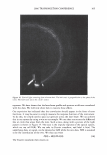
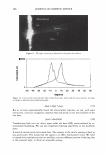
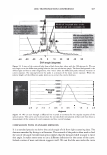
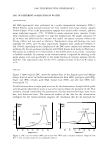
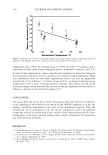
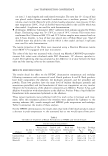
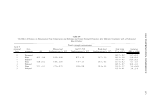
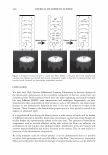
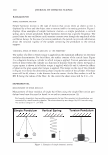
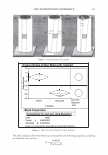
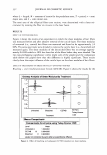
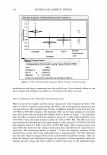
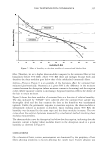
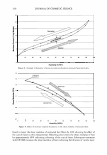
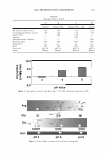
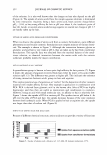
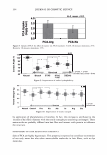
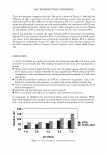
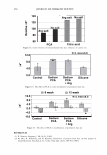
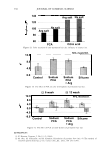
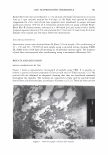
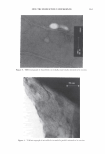
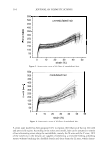
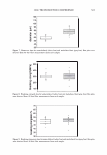
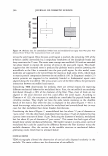
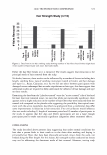
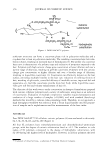
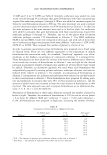
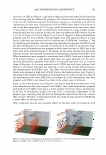
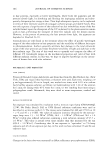
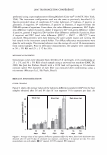
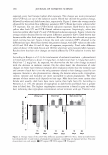
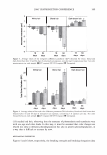
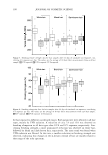
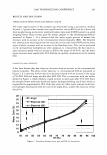
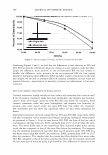
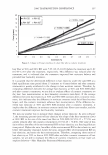
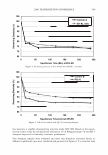
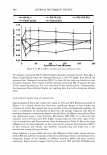
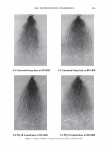
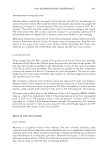
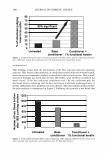
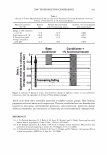
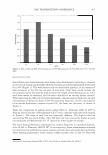
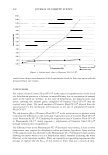
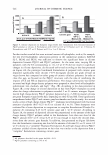
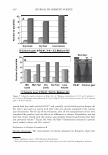
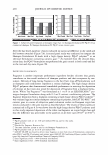
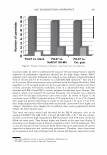
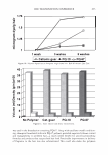
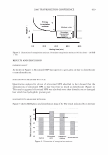
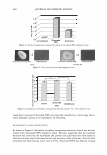
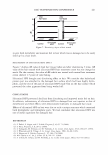
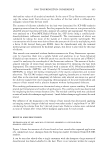
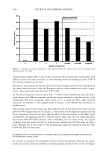
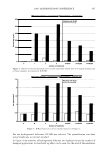
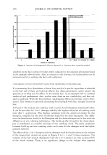
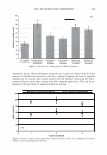
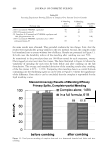
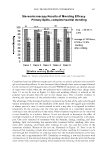
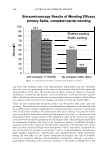
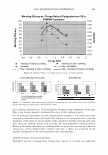
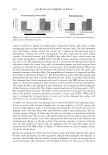
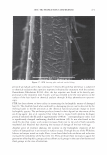
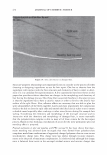
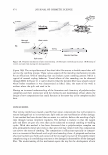
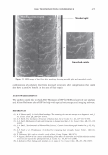
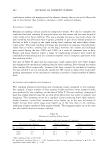
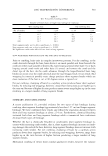
35 i 30 o 25 E � 20 e! 15 ca 10 =It 5 0 Q ...!. ;: II) 0 II) 13 �:5 � Cl I LL nl cc 2006 TRI/PRINCETON CONFERENCE Hair Strength Study (n=15) 13 II) :c 13 11= o .J, LL ,Q � 3: II) � II) .c - II) .Q . 15 in LL iu'l 373 1ii II) II) .J, '+ � , II) 0 nl 13 LL 0 il Fi gu re 2. Data from in vivo hair combing study showing numbers of hair fibers found broken (light bars) verses number of hairs found with intact hair bulbs (dark). Either the hair fiber breaks or it is extracted. The results suggest that extraction is the principal mode of hair removal from the scalp. No doubt, however, these results can be influenced by a number of factors including hair length, combing force, type of combing instrument (comb or brush), and hair damage and type (i.e., Asian, Caucasian, etc). As we did not select between participants with damaged versus undamaged hair or make stipulations on hair type, this does suggest that additional studies are required to fully understand the influence of hair damage and type on these results. Examining the data from the "placebo-treated" verse the "active-treated" side of the head for hairs that were removed intact, we note that while not statistically significant, there appears to be a slight reduction in the number of hair fibers that were extracted from the treated side compared to the placebo side suggesting the possibility that topical treat- ment with the active ingredients described via application from a conditioner does offer some improvements in reduction in hair extraction. Two critical factors would influence this test result including 1) length of treatment period and 2) number of participants in the study. It appears that five days and fifteen participants are not a large enough participant pool to make statistically significant judgments about treatment effects. CONCLUSIONS The study described above presents data suggesting that under normal conditions the hair that a person finds in their comb or in the drain after washing and drying is principally hair fibers that have been physically extracted, intact, from the scalp, not broken along the fiber length. For this reason, hair strength studies conducted on tresses may not be addressing the dominant mode of hair removal. However, testing scalp

374 JOURNAL OF COSMETIC SCIENCE treatment products to look for improvements in hair "strength" are difficult to do to gain statistically-significant data. This does not preclude however, the possibility that improving hair strength can occur at the follicle level where hair fiber structure and integrity is laid down for the first time. In this regard, viewing hair fiber health as a skin related issue is certainly a viable approach to enhancing the strength and beauty of the scalp hair as a whole. REFERENCES (1) J. A. Swift, Fundamentals of Human Hair Science. Butler H., Ed, (Micelle Press, Weymouth, England, 1997). (2) C.R. Robbins, Chemical and Physical Behavior of H11man Hair (Springer-Verlag, New York, 1994). (3) B. A. Bernard, The biology of hair follicle,]. Soc. Biol., 199, 343-348 (2005). (4) C. C. Zouboulis and K. Degitz, Androgen action on human skin-From basic research to clinical significance, Exp. Dermatol., 13, 5-10 (2004). (5) J.C. Harper, Antiandrogen therapy for skin and hair disease, Dermatol. Clin., 24, 137-143 (2006). (6) D. Stough, K. Stenn, R. Haber, W. M. Parsley, J.E. Vogel, D. A. Whiting, and K. Washenik, Psychological effect, pathophysiology and management of androgenetic alopecia in men, Mayo Clin. Proc. SO, 1316-1322 (2005). (7) M. Bienova, R. Kucerova, M. Fiuraskova, M. Hajduch, and Z. Kolar, Androgenetic alopecia and current methods of treatment, Acta Dermatovenerol. Alp. Panonica Adriat., 14, 5-8 (2005). (8) D. J. Hogan and M. Chamberlain, Male pattern baldness, South. Med.]., 93, 657-662 (2000). (9) C. Robbins, Hair breakage during combing. I. Pathways of breakage,]. Cosmet. Sci., 57, 233-243 (2006). (10) C. Robbins, Hair breakage during combing. II. Impact loading and hair breakage,]. Cosmet. Sci., 57, 245-257 (2006).
Purchased for the exclusive use of nofirst nolast (unknown)
From: SCC Media Library & Resource Center (library.scconline.org)