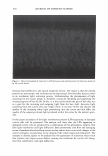
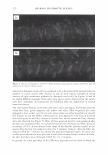
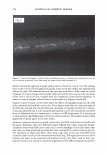
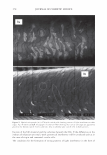
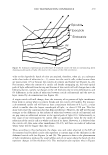
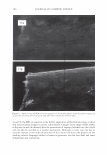
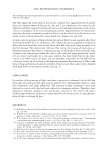
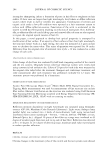
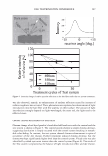
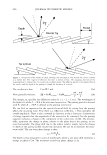
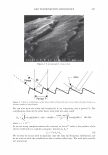
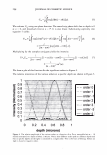
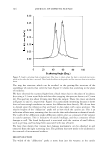
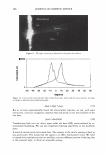
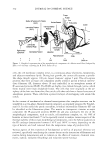
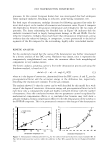
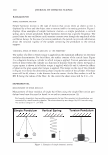
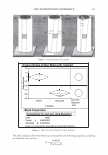
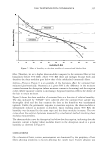
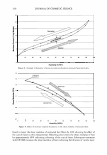
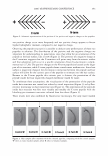
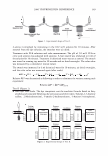
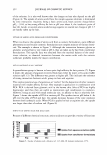
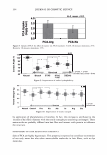
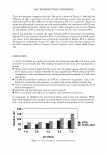
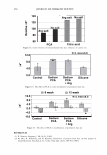
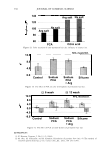
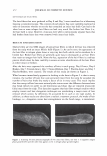
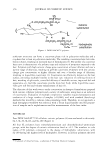
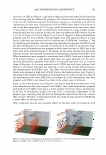
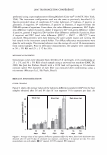
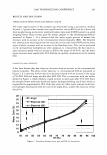
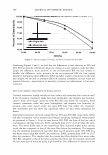
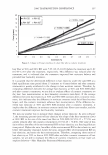
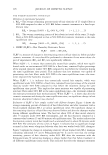
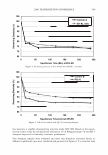
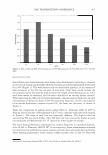
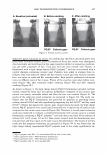
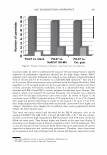
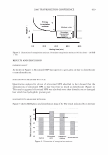
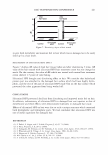
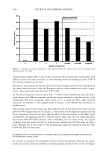
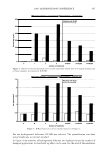
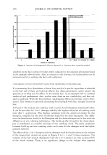
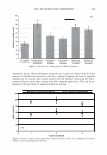
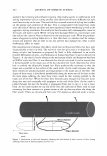
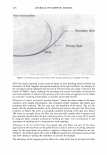
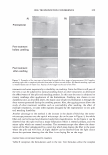
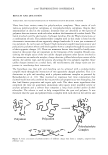
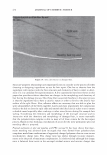
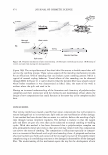
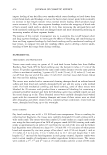
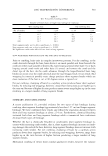
2006 TRI/PRINCETON CONFERENCE 279 Exocuticle Endocuticle Figure 10. Schematic representation of a lifted and de-cemented cuticle cell with its corresponding layers showing possible paths of light reflection for the creation of thin film interference. wide or thin hyperbolic bands of color are attained, therefore, when air, as a substance with a low index of refraction (n = 1), enters into the cuticle cells, either because there are micro-voids (17) or because the cuticles de-cement and buckle (see Figures 2a-2d). For instance, when the cement of a cuticle cell breaks entrapping air, the total optical path of light reflected from the top and bottom of the cuticle cell will change due to the following factors, namely: (a) changes in the cell thickness due to stress deformation, and (b) differences in the index of refraction between cuticle cell material and the new air layer created by de-cementation (see Figure 10). A virgin cuticle cell will change, thus, the intensity of its pattern of light interference from weak to strong when its cement breaks and the cuticle cell buckles. For instance, a de-cemented cuticle cell will have at least a maximum thickness of 0.5 µ (1), a value which is smaller than the largest wavelength of light, i.e. about 0. 700 µm. This fact alone will create the conditions for thin film interference. However, the LIP will become stronger as the difference in the indexes of refraction between cuticle cell material and air gap cause an additional increase in the optical path of light (16). Unfortunately, at this stage of our investigation we cannot offer an approximate value for the index of refraction of the cuticle cell as a whole or of any of its layers. However, it is believed that the cuticle cell, like some other membranes (18-19), will have an index of refraction whose value will be bigger than that of air. Thus, according to this mechanism, the shape, size, and colors observed in the LIPs of de-cemented and buckled cuticle cells represent a contour map of the thickness in the deformed cuticle cells (see Figures 3a and 36). The process is akin to the phenomenon of light interference produced by soap bubbles and oil on water where the bands of color represent changes in film thickness (16). This mechanism also explains why in Figures

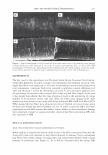
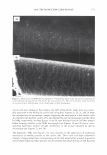
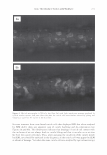
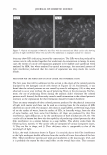
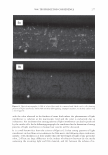
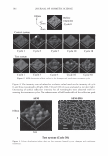
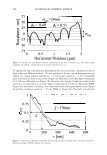
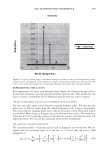
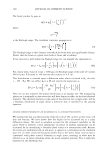
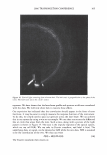
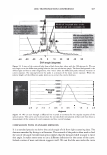
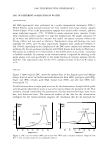
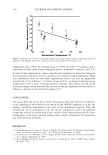
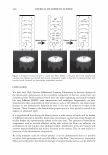
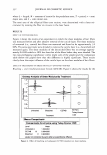
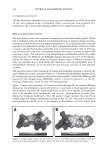
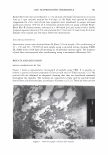
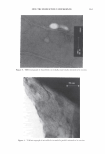
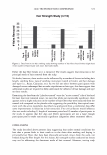
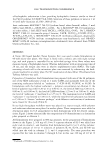
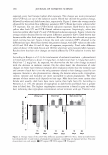
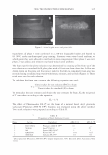
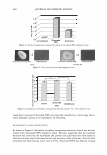
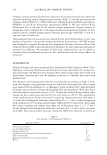
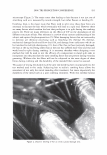
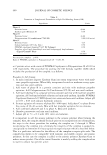
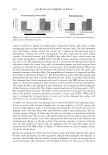
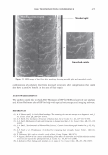
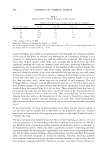
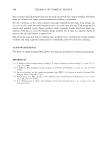
280 JOURNAL OF COSMETIC SCIENCE Figure l l. Optical (1] a) and SEM (] 1 b) micrographs (x370) showing details of dot like patterns appearing on portions of cortex devoid of cuticle cells after their removal by intensive wear. Sa anl Sb the LIPs are sensitive to the further application of mechanical stresses as these will induce further changes in cuticle cell thickness. Changes in the shape of LIPs shown in Figures 6a and 66 obtained after the penetration of isopropyl alcohol into the cuticle cell can also be ascribed to a similar mechanism. Although, in this case one has to consider changes in the index of refraction of the cuticle cell due to the presence of the swelling solvent. Isopropyl alcohol is known to penetrate into the hair shaft and cause dehydration and contraction.
Purchased for the exclusive use of nofirst nolast (unknown)
From: SCC Media Library & Resource Center (library.scconline.org)