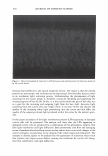
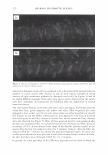
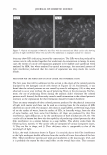
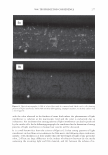
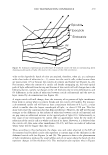
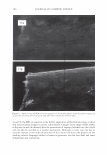
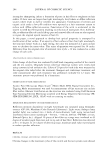
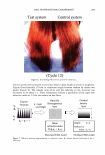
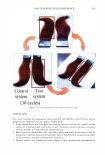
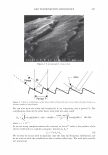
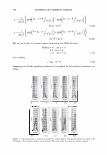
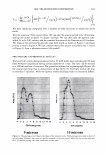
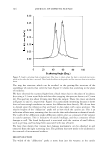
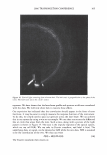
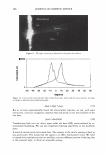
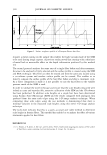
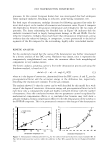
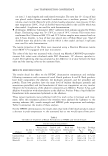
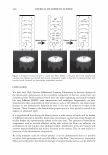
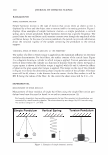
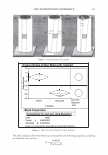
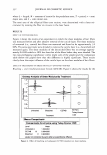
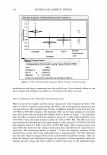
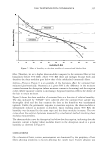
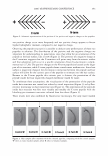
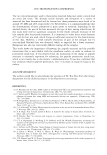
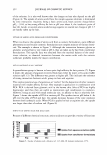
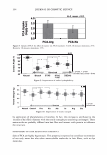
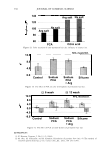
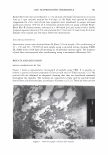
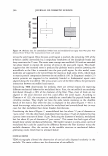
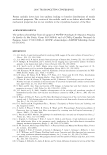
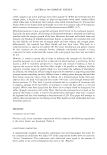
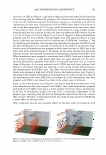
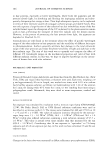
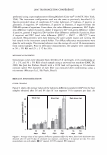
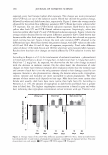
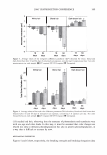
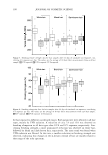
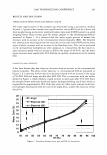
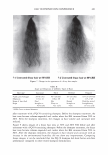
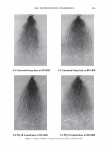
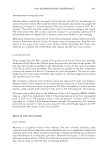
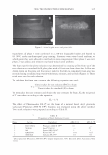
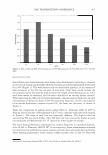
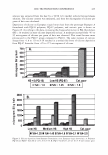
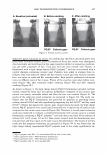
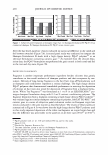
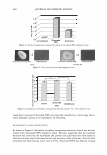
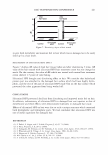
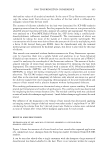
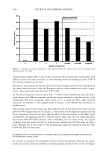
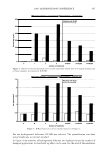
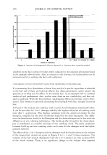
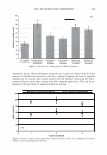
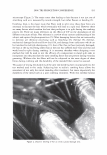
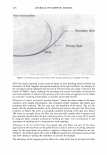
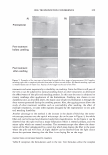
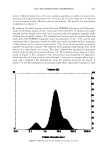
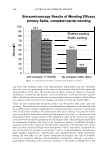
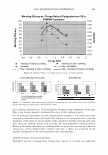
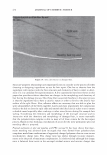
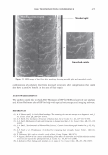
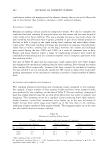
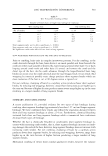
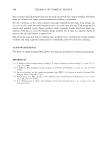
2006 TRI/PRINCETON CONFERENCE 277 Figure 8. Optical micrographs (x 250) of a hair fiber with de-cemented and lifted cuticle cells showing patterns of light interference before (8a) and after (86) applying isopropyl myristate to the hair surface with a micro-pipette. with the color observed in the feathers of some birds where the phenomenon of light interference is coherent at the macroscopic level and the color is exclusively due to iridescence. Yet incoherent but strong patterns of light interference can also be produced by the cuticle cells. In the following paragraph the conditions for the formation of strong patterns of light interference in human hair cuticles will be discussed. It is a well known fact from the science of Optics (15) that strong patterns of light interference in thin films occur whenever the film meets the following three conditions, namely: 1) Its thickness is at least smaller than the wavelength of light of any particular color, 2) There are large differences in the indexes of refraction between (a): the media sustaining the incoming light and film material, and (b): between the indexes of re-

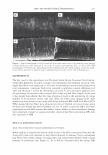
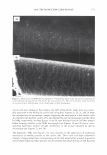
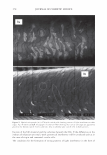
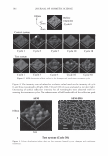
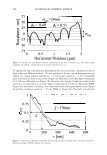
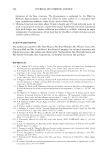
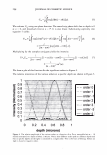
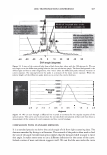
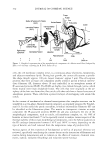
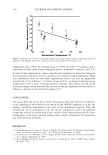
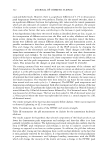
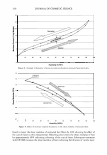
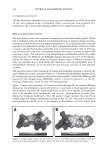
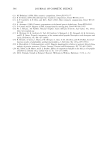
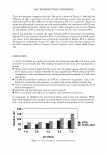
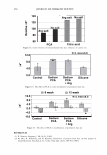
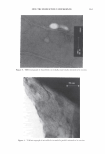
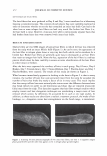
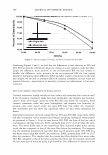
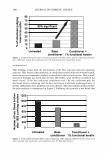
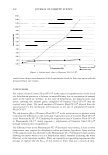
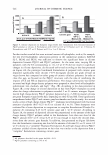
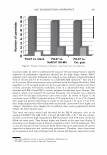
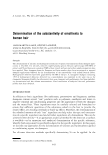
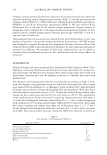
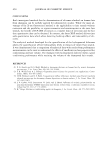
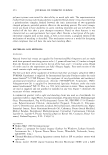
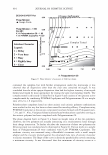
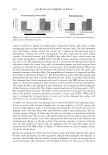
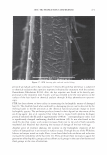
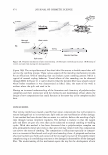
278 JOURNAL OF COSMETIC SCIENCE Figure 9. Optical micrograph (9a) (x270) wirh cuticle cells showing parrcrns of light interference at their edges. Pig. 9b shows an SEM micrograph of- same hair fiber showing that cuticle cell edges are apparently glued to the bottom cuticle. Circles and lines help to identify same cuticle cells in both pictures. fraction of the film material and the substrate beneath the film. If the differences in the indexes of refraction are small, weak patterns of interference will be produced such as in the case of virgin and cemented cuticle cells. The conditions for the formation of strong patterns of light interference in the form of
Purchased for the exclusive use of nofirst nolast (unknown)
From: SCC Media Library & Resource Center (library.scconline.org)