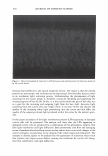
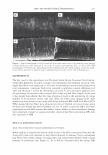
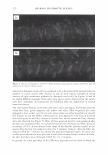
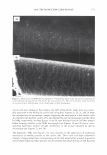
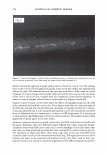
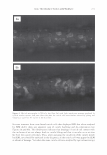
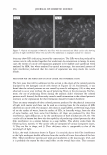
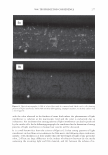
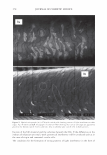
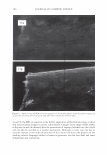
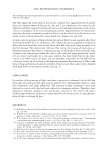
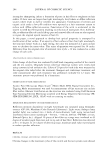
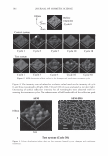
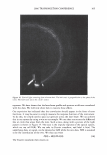
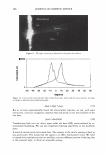
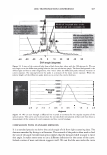
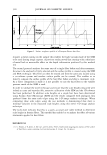
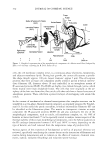
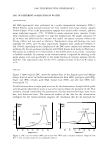
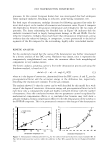
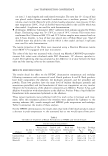
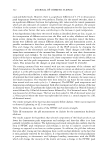
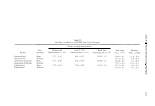
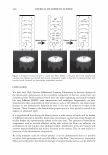
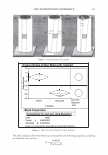
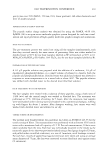
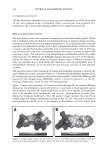
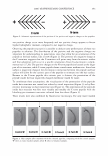
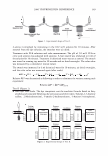
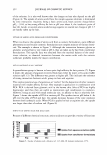
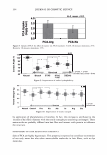
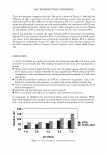
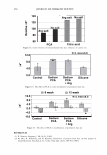
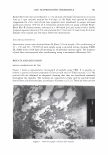
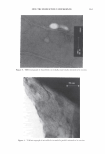
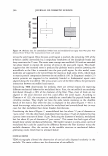
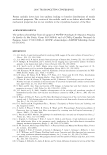
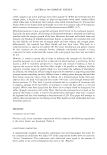
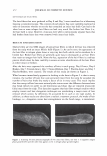
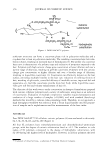
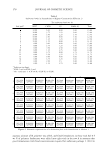
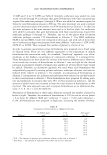
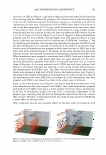
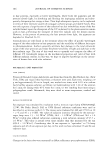
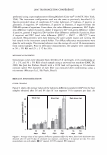
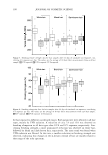
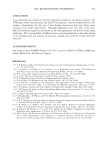
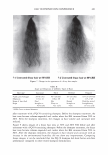
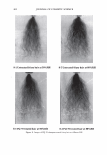
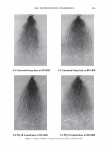
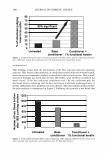
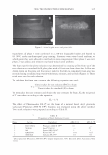
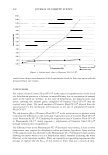
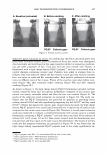
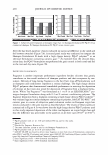
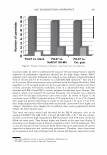
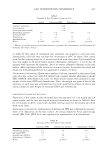
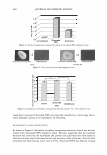
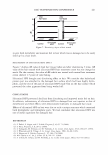
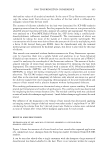
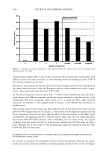
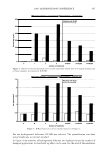
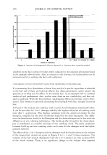
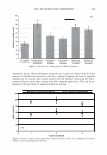
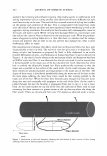
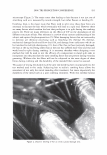
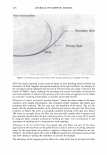
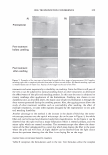
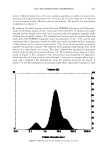
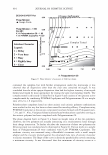
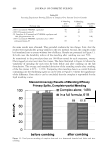
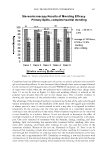
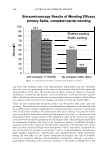
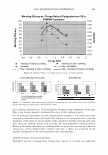
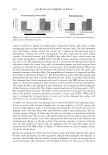
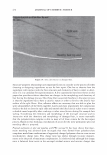
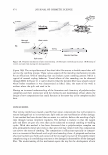
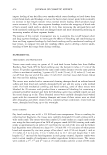
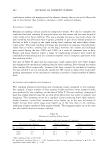
458 JOURNAL OF COSMETIC SCIENCE Fiber 2 before tre tment Figure 4. Stereomicroscopic view of fiber (20x) showing primary and secondary level splits. All of the results reported in this study are based on total mending which includes the assessment of both complete and partial mending of the split end fiber. An example of the calculation of the tabulated data for one of the five tresses of a study is found at the bottom of Table I. Again, although the secondary and tertiary level splits are assessed as well more emphasis is placed on the primary splits since these are apparent to the naked eye and their mending would afford a consumer perceivable benefit. Illustration of complete and partial mending. Figure 5 shows the three stages of the mea- surement cycle namely pretreatment, post treatment before combing, and finally post treatment after combing. The last step tests the durability of the mend. The red dot made with the permanent marker can be observed just prior to the split end. This series of photos in Figure 5A) serves to exemplify complete mending of the split end. Figure 5B) shows an example where the fiber has been partially mended after treatment and stays partially mended after the post combing process. In this case a score of 0.5 would be assigned. Both complete and partial mending are taken into consideration in the assessment of mending and is designated as total mending. Advantages of the test method. Since the tagged split end fibers are part of the trees, application of the treatment can be performed in a realistic fashion simulating consumer usage. In this experiment the product is applied to damp hair and allowed to air dry. However, the method allows the study of different application techniques such as brush and blow drying or adding the treatment to d ry hair for example. The advantage of the tagging process allows the study of the fate of the split end after

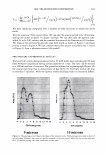
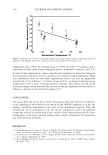
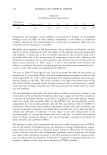
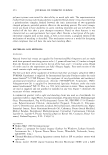
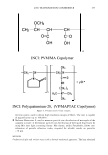
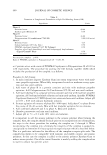
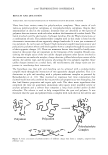
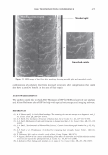
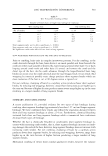
A) Pretreatment Post treatment before combing Post treatment after combing 2006 TRI/PRINCETON CONFERENCE 459 B) Figure 5. Examples of the two types of mending through the three stages of measurement: (A) Complete mending: split end is completely mended from start of fissure to end of fiber. (B) Partial mending: split end is mended from start of fissure to a fraction of the length to the end of the fiber. treatment and more importantly to durability to combing. Since the fiber is still part of the tress it can be subjected to normal combing forces or other treatments to determine the effectiveness of the split end mending product. In this case the tress is subjected to twenty combings after application of the formulation. Combing was chosen to test durability since, as described above, the major cause of split end formation is through the shear stresses generated during the combing process. Also, the tagging process allows the study of other treatment variables such as survivability after washing, the effect of multiple treatments, or some other regimen designed by the experimenter to test split end mending durability. Another advantage to the method is the increase in the depth of field that the stereo- microscope possesses over the optical microscope. As can be seen in Figure 4, the whole fiber end can be focused and observed under low magnification. In the figure it can be observed that this split end has a major bifurcation which is termed primary, and two minor splits which are termed secondary. The stereomicroscope also allows the obser- vation of the fiber unhampered by a cover slip which may depress the fiber to the point where the split end will close. A slight shadow can be observed from the light source above the specimen showing that the fiber is not laying flat on the stage. PRODUCTION OF POL YELECTROL ITE COMPLEX Table II comprises the formulation used in the test. Test formulas utilize the complex
Purchased for the exclusive use of nofirst nolast (unknown)
From: SCC Media Library & Resource Center (library.scconline.org)