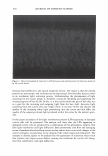
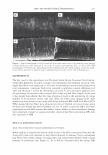
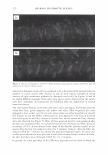
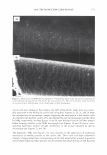
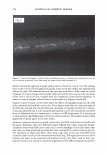
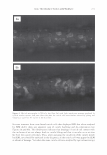
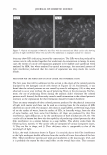
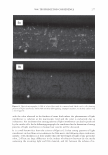
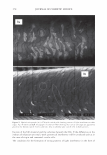
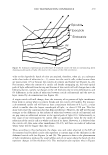
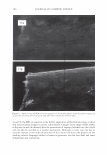
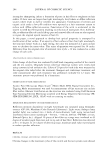
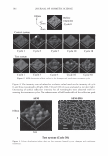
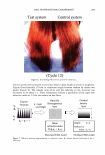
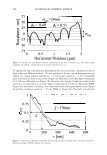
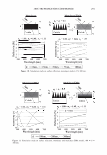
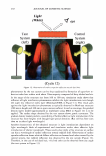
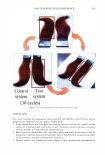
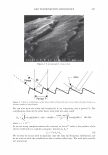
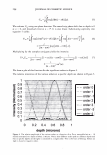
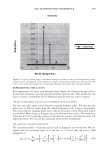
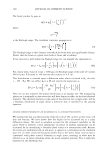
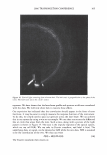
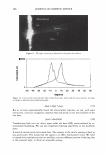
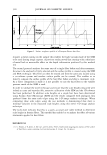
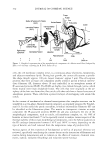
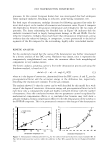
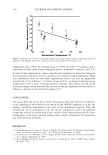
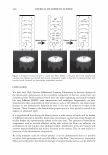
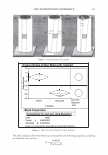
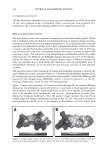
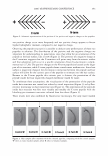
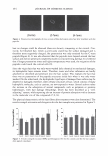
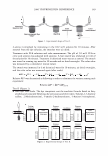
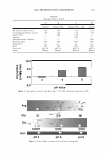
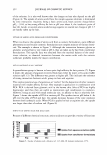
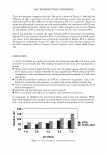
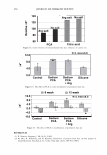
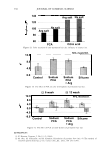
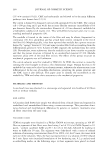
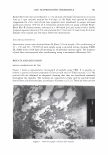
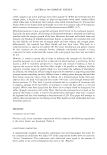
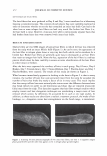
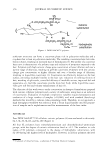
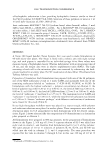
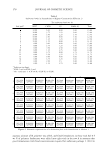
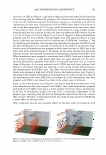
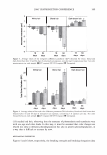
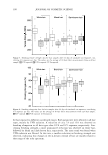
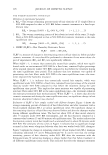
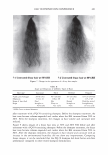
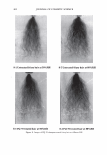
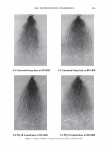
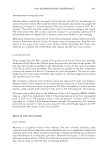
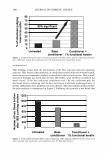
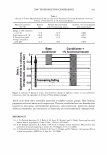
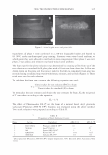
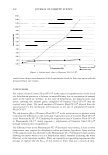
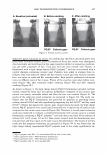
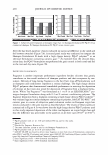
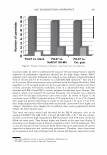
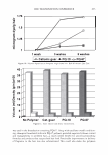
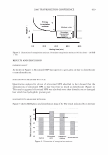
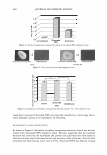
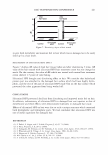
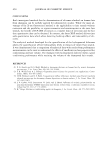
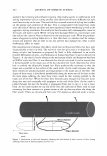
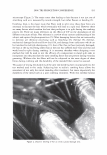
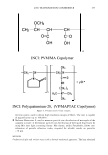
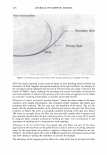
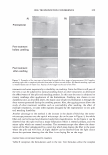
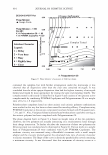
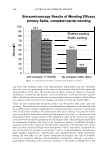
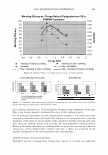
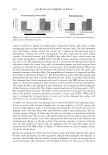
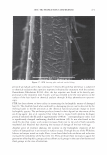
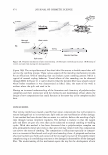
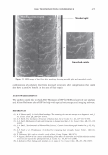
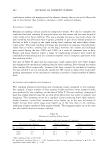
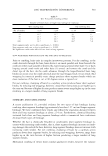
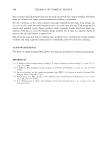
474 Microgel absorption B) JOURNAL OF COSMETIC SCIENCE � - � Mendin� serum Lifted cuticle / - - .. -.,_ Split cortex 7 drying Mended hair fiber Figure 20. Proposed mechanism of split end mending. (A) Microgel crosslinking structure. (B) Binding of cuticle and split end during the drying process. Figure 20B. The unique features of the dried thin film ensure a durable mend that will survive the combing process. These various aspects of the mending mechanism provides for an efficacious level of mending that can endure a post combing process which is typical of normal styling behavior. Visual effects of this mending can be observed through SEM. In Figure 21 it can be observed that the mended fiber has a smooth cuticle where before treatment it was characterized as lifted. Also, the seam of the weld is evident where the split end used to be. Having an increased understanding of the formation and chemistry of polyelectrolyte complexes and their interaction with the chemistry and morphology of hair allows the design of new compositions that could function in the same way as the complex studied here. CONCLUSIONS Hair styling trends have created a need for hair repair compositions that will attempt to restore damaged hair co its normal state. Split ends are one manifestation of that damage. A test method has been devised that can assess in a realistic fashion the mending of split ends through various treatment regimens. The method is realistic in that the tagged split end fibers are part of a tress that can be subjected to normal combing or washing cycles. With this method it has been discovered that a polyelectrolyte complex can semi-permanently mend split ends in that split end hair treated with this composition can survive the stress of combing. The composition is efficacious especially in compari- son to a commercial benchmark with a split end mending claim. A proposed mechanism of action has been put forth and consists of the microgel structure of the polyelectrolyte complex acting as a crosslinking structure in the damaged subassemblies of the damaged fiber. The understanding of this mechanism opens the way for the development of new

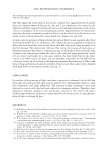
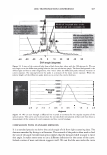
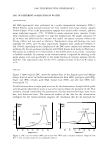
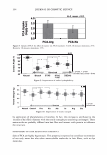
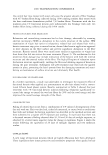
2006 TRI/PRINCETON CONFERENCE 475 Mended split Smoothed cuticle Figure 21. SEM image of hair fiber after mending, showing mended split and smoothed cuticle. combinations of polymers that form microgel structures after complexation that could also have a positive benefit in the area of hair repair. ACKNOWLEDGEMENTS The authors would like to thank Bill Thompson of ISP for SEM and particle size analysis and Alison Robinson also of ISP for help with optical microscopy and imaging software. REFERENCES (1) A. C. Brown and J. A. Swift, Hair breakage: The scanning electron microscope as a diagnostic tool,]. Soc. Cosmet. Chem. 26, 289-297 (1975). (2) J. A. Swift, The mechanics of fracture of human hair, Int.]. Cosmet. Sci., 21, 227-239 (1999). (3) J. A. Swift, Mechanism of split-end formation in human head hair,]. Soc. Cosmet. Chem., 48, 123-126 (1997). (4) J. A. Swift, "Fundamentals of Human Hair Science," Cosmetic Science Monograph Number One, p. 62, Fig. 36. (5) J. A. Swift et al., Flexabrasion: A method for evaluating hair strength, Cosmet. Toiletr., 116 (12), 53-60. (6) V. Robinson, Split ends a scientific study of hair, Cosmet. Per/um., 90 (1975). (7) V. Signori, Review of the current understanding of the effect of ultraviolet and visible radiation on hair structure and options for photoprotection,J. Cosmet. Sci., 55, 95-113 (2004). (8) J. Jachowicz, Hair damage and attempts to its repair,]. Soc. Cosmet. Chem., 38, 263-286 (1987).
Purchased for the exclusive use of nofirst nolast (unknown)
From: SCC Media Library & Resource Center (library.scconline.org)