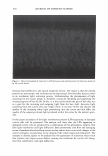
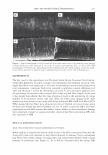
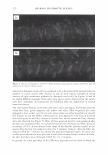
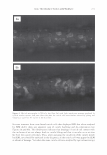
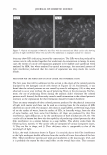
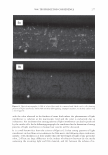
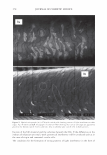
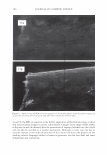
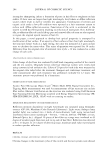
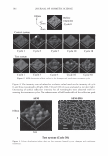
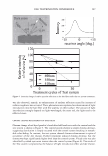
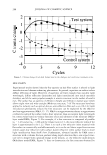
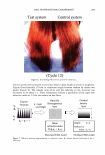
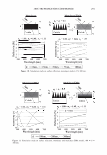
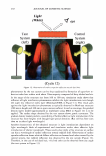
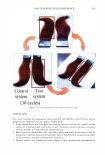
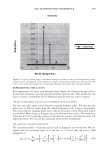
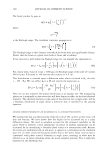
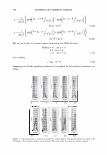
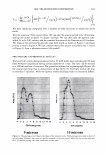
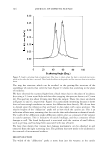
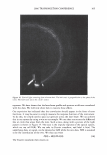
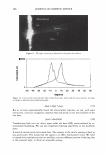
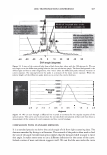
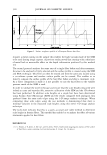
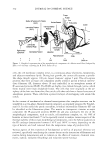
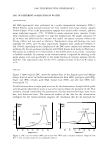
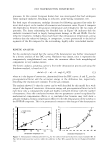
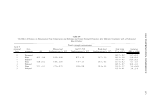
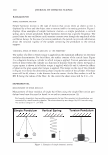
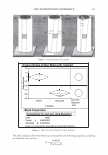
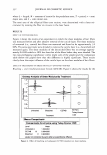
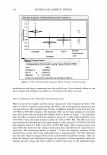
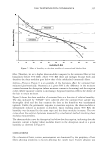
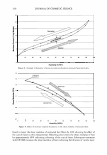
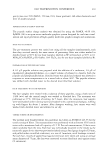
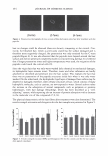
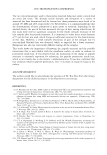
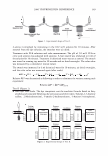
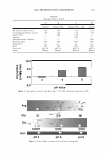
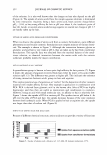
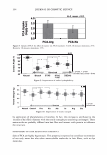
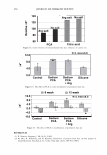
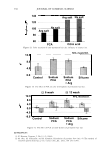
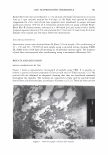
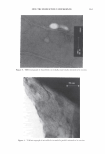
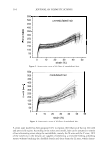
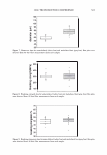
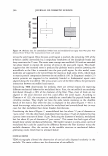
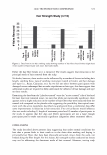
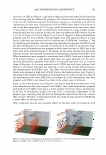
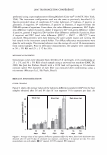
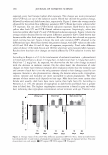
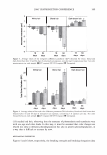
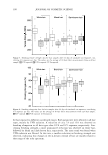
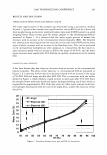
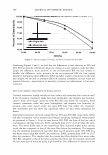
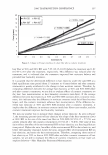
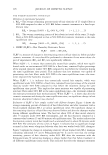
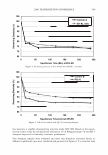
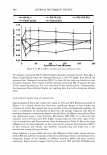
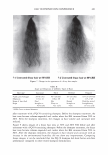
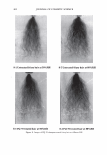
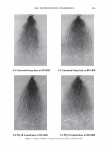
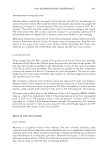
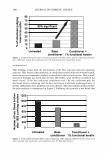
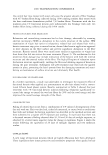
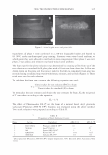
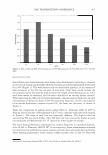
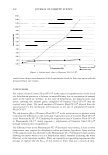
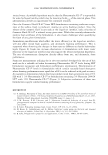
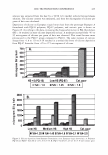
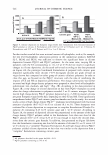
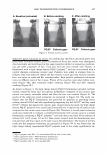
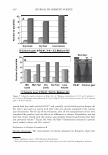
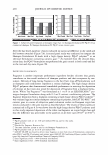
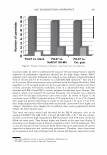
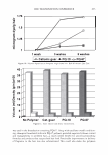
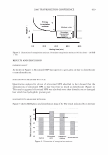
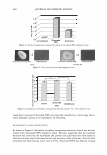
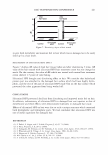
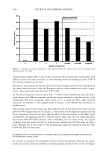
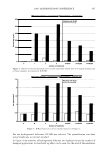
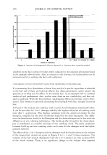
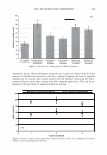
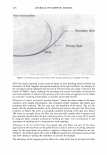
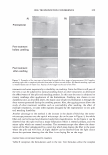
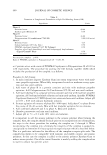
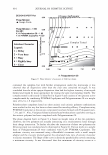
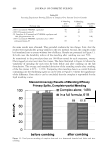
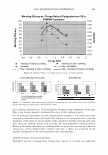
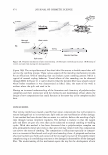
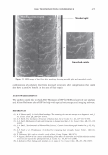
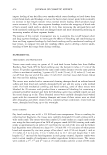
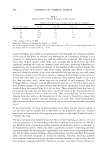
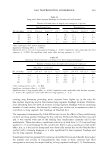
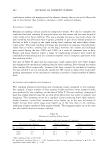
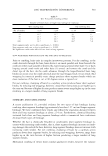
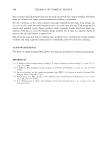
Dark room 120 100 80 60 40 20 0 2006 TRI/PRINCETON CONFERENCE 287 - - 300 200 -15 +15 receiver angle [deg.] 0 - �- -+- --•- -·la·- ,, . '- '· '', '- '- '- - ' , ......... ' ' ·, ' ' &. ' 690nm 550nm 410nm I ---. ............... -. ' ' ' ' ' ..,_ )\. I 0 5 30 Treatment cycles of Test system Figure 4. Intensity change of surface specular reflection on the hair fiber surface by test system treatments. was also observed, namely, no enhancement of random reflection caused by increase of surface roughness was occurred. These phenomena are explained as enhancement of light introduction into the hair fiber with fine asperity on their surface. The amount of light introduction strongly depends on light wavelength, the more red, the light tend to be reflected more. CHROMA CHANGE MEASUREMENT OF DYED HEAD Chroma change of red dyed panelist's head after half head tests with the control and the test system is shown in Figure 5. The control system showed a simple chroma decrease, suggesting dye elution is simply occurred with the control system resulting in remark- able color fading. In contrast, the test system showed chroma enhancement in spite of occurrence of the dye elution. Further treatment induced chroma decrease, but the chroma was kept significantly higher level than the control system. Visual color was also identified by naked eyes more intense than the control system (Figure 6). The result of the Test system is explained as the balance of light introduction effect and dye elution.

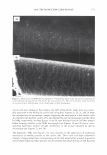
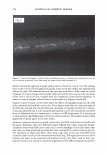
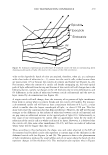
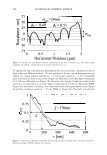
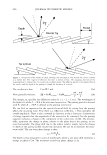
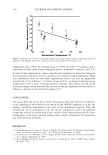
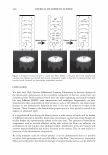
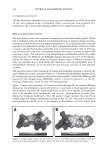
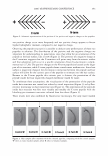
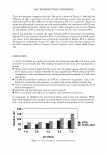
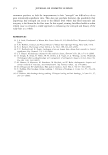
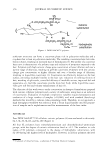
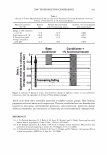
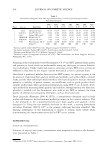
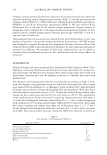
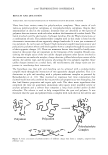
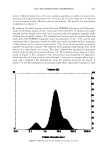
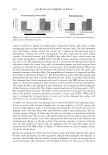
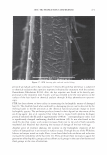
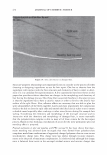
288 2 OJ 1 0 � -1 -2 u -3 -4 \ 0 JOURNAL OF COSMETIC SCIENCE Test system 3 6 Cycles T 9 12 Figure 5. Chroma change of red dyed human head in the shampoo and conditioner treatment cycles. DISCUSSION Experimental results showed that the fine asperity on hair fiber surface is related to light introduction and chroma enhancing phenomena. In general, asperities on surface induce diffuse reflection of light. However, if asperities are finer enough than incident light wavelength, diffuse reflection diminishes and light introduction into inside materials develops, and of the most popular example is uneven structure on the surface of moth's eyes. The surface has an asperity of 200nm in height and 300nm in lateral space which allows night view and wide eyesight (Moth-eye structure, 7-9) The structures have been applied to industry such as optical devices, anti-reflection film and so on (10-14). Light introduction phenomena induced by fine structures can be explained by the effective medium approximation (EMA, 15-1 7). EMA is an approximation theory to approximate a refractive index of the surface with a finer structure than an incident light wavelength by a mean value based on volume fractions of air and substrate of the structure (Mono- layer model/EMA, Figure 7). For example, if a fine structure is composed of paraffin (n t = 1.43) and air (n0 = 1.00) and the volume ratio is 1:1, the mean refractive index of the layer is approximated to be 1.22. There is no such a low refractive index material with flat surface in cosmetically available materials, so it can be said that a super fine structure realizes super-low refractive index surface. Lower refractive index surface leads to more light introduction from Snell's law. Furthermore, advanced models by EMA treat a structure with a volume fraction gradient along depth direction like a saw-edged struc- ture to be a longer with a gradual change in the density, i.e. the refractive index density (Multilayer model/EMA, Figure 7). Sizes to characterize the fine structure obtained by
Purchased for the exclusive use of nofirst nolast (unknown)
From: SCC Media Library & Resource Center (library.scconline.org)