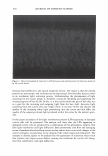
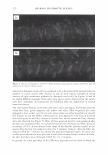
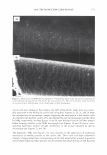
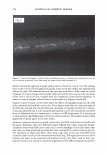
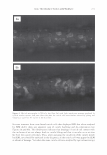
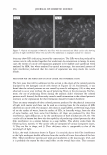
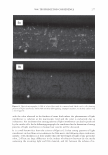
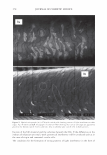
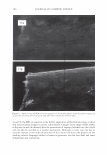
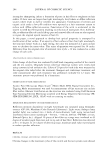
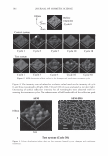
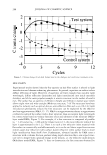
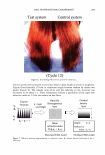
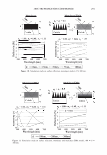
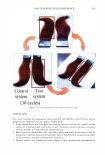
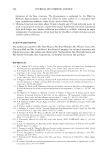
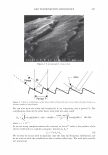
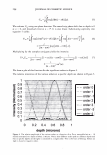
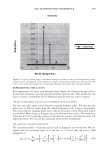
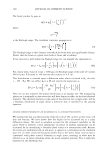
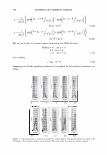
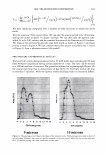
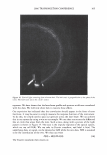
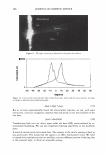
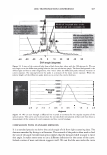
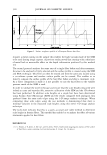
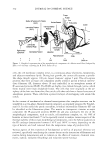
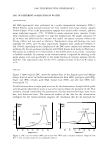
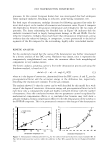
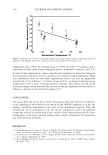
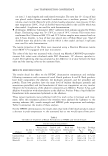
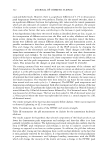
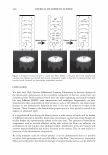
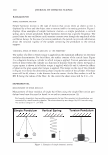
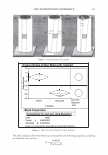
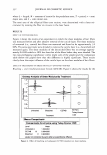
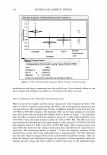
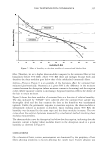
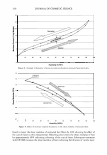
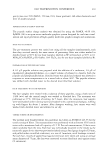
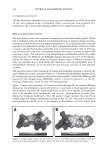
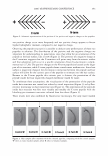
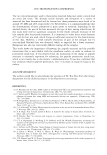
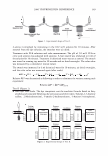
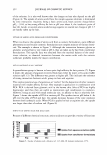
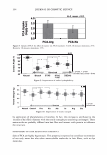
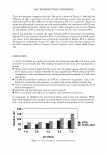
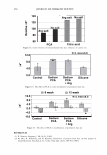
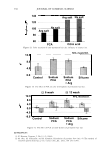
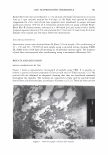
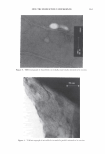
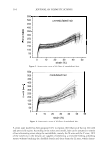
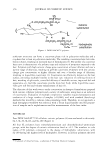
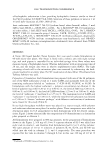
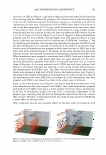
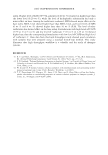
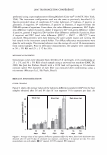
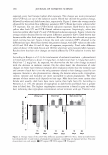
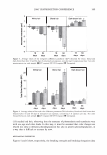
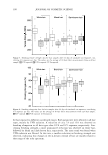
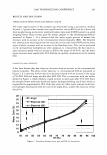
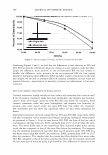
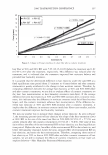
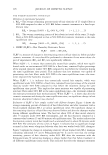
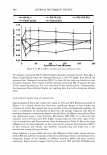
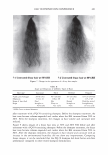
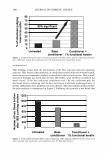
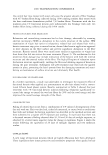
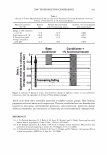
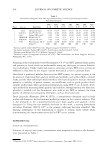
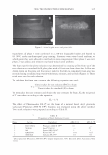
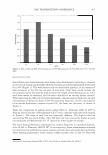
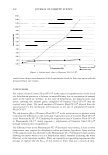
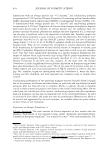
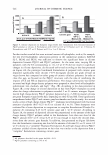
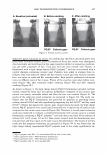
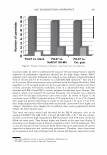
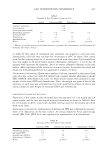
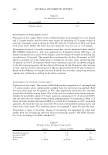
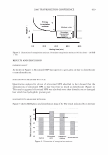
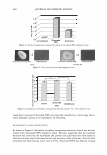
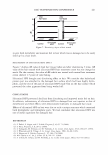
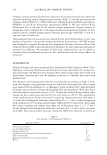
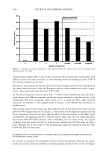
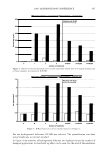
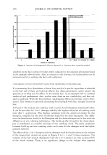
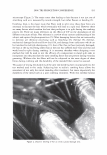
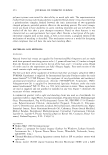
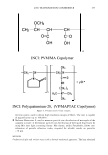
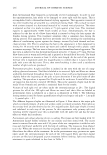
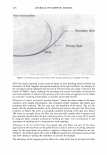
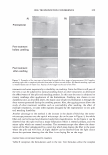
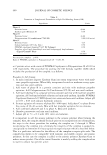
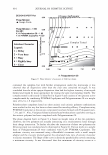
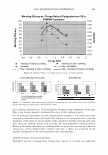
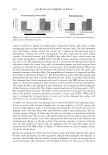
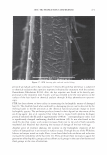
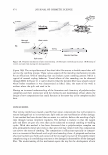
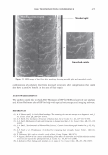
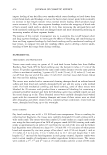
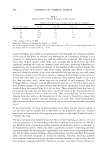
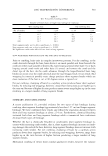
2006 TRI/PRINCETON CONFERENCE 285 in Figure 1. Continuous chroma enhancement and subsequent saturation were observed in the treatment cycles of the test system. Visually-apparent color enhancement was also confirmed simultaneously. In contrast, slight chroma enhancing at first several cycles and getting back to the original level after further cycles were observed in the control system treatment, and no change of color was also visually confirmed. AFM observations of hair fiber surface sampled at each cycle showed a relation between fine structure formation on the surface and chroma enhancement (Figure 2). In the case of the control system, asperity appearance in the first several cycles and its flatting out after further treatments were observed. This process is considered as a result of adsorption saturation of fatty alcohol, the major ingredient of conditioners, on hair fiber surface, because no change on surfaces was observed with only the control shampoo. However, continuous growing of the asperity was observed by the test system treatments. Element analyses on the hair surface after 20 cycles of the test system treatment showed a web like pattern of silicon with the similar scale in size of the structure (Figure 3). The result indicates an inhibition of fatty alcohol saturation on hair surface by amino-silicone. Deposition pattern control of amino-silicone is thus supported to be important point of the phe- nomenon. LIGHT REFLECTION ON THE HAIR FIBER SURFACE TREATED BY THE TEST SYSTEM Intensities of surface specular reflection in the test system treatment cycles are shown in QJ u u 2.0 1.5 1.0 0.5 0 0 I t (Cycle 0) Test system Control system 10 20 30 Treatment cycles I I I + � Control system Test system (Cycle 30) Figure 1. Chroma change in the shampoo and conditioner treatment cycles.

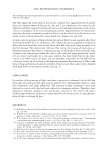
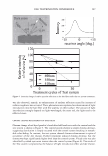
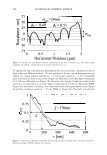
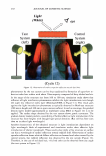
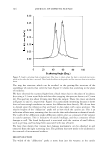
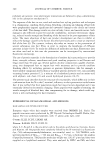
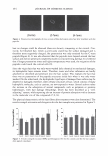
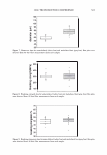
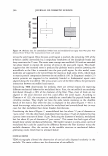
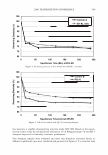
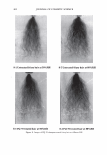
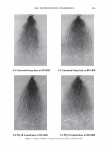
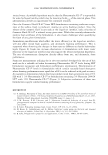
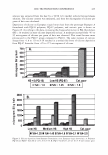
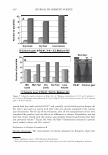
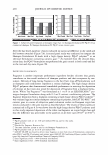
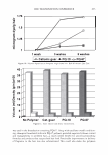
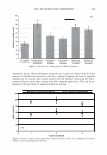
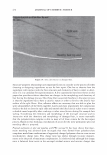
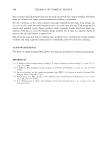
286 Control system Cycle I Test system Cycle I JOURNAL OF COSMETIC SCIENCE 100nm z l:2{nm X 2mm Cycle 3 Cycle 3 Cycle 5 Cycle5 Before treatment Cycle 0 Cycle 10 Cycle JO Cycle 30 Cycle 30 Figure 2. AFM observation of hair surface in the shampoo and conditioner treatment cycles. Figure 4. The intensity was calculated as a relative value based on the intensity of cycle 0, and three wavelengths oflight, 690, 5 50 and 410 nm were evaluated as incident light. Decreasing of surface reflection intensity for all wavelengths were observed with in- creasing the treatment cycles. No enhancement of half bandwidth of the reflection peak AFM SEM-EDS 100nm 0 Test system (Cycle 30) Figure 3. Silicon distribution (white dots) on fine structure formed by test shampoo and conditioner treatments.
Purchased for the exclusive use of nofirst nolast (unknown)
From: SCC Media Library & Resource Center (library.scconline.org)